

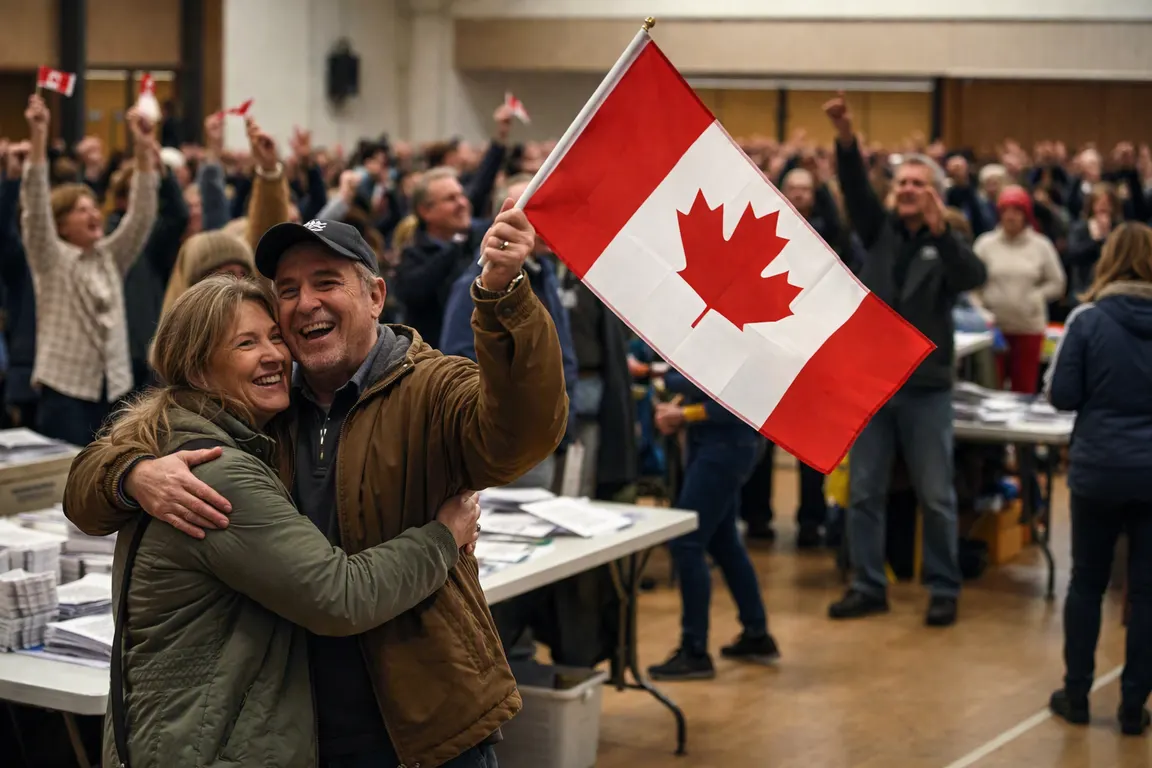
Albertans voted in the Alberta secession referendum to keep the province within Canada, with roughly three‑quarters of ballots—76% according to early counts—supporting the status quo and 24% favoring a move toward independence.
The vote ends a months‑long political saga that has dominated provincial headlines and strained relations between Edmonton and Ottawa. By affirming continued membership, the referendum removes an immediate constitutional question and gives federal‑provincial talks on energy policy and inter‑provincial trade a clearer footing. Investors in Alberta’s oil and gas sector, as well as businesses that rely on cross‑border supply chains, can now plan with less uncertainty.
This was Alberta’s first referendum on secession. Voters were asked whether the province should pursue a formal separation pathway. No legal mechanism is triggered by the result; the province simply remains part of Canada under existing constitutional arrangements. Early reporting indicated that between one and 1.5 million votes had been tallied when the percentages were released, but the exact turnout and the poll’s date were not disclosed in the sources consulted.
The campaign unfolded against a broader Canada‑U.S. trade dispute that heightened economic concerns in the oil‑rich province. Pro‑secession advocates argued that independence would give Alberta greater control over its energy resources, while opponents warned that secession could jeopardize existing trade agreements and federal support for health, education and infrastructure. The decisive “stay” vote suggests that, for now, most Albertans prefer the stability of the current federation over the uncertainties of a break‑away state.
Media commentary quickly framed the outcome as a win for national unity and for Prime Minister Justin Trudeau’s government, though some outlets mistakenly identified the prime minister as Mark Carney. The error highlights the reliance on secondary reporting and underscores the need for careful fact‑checking in fast‑moving political coverage.
No immediate legislative action follows the vote. The provincial government has said it will continue to work with the federal cabinet on energy and trade issues, now without the added pressure of a secession agenda. Questions remain about how the result will shape future discourse on provincial autonomy and resource management, especially if economic pressures persist.
The next step is formal certification of the vote by Elections Alberta, which is expected to confirm final turnout and vote totals within weeks. Observers will watch for any parliamentary debates in Ottawa that reference the referendum and for renewed discussions on addressing Alberta’s long‑standing concerns about energy policy and fiscal transfers.