

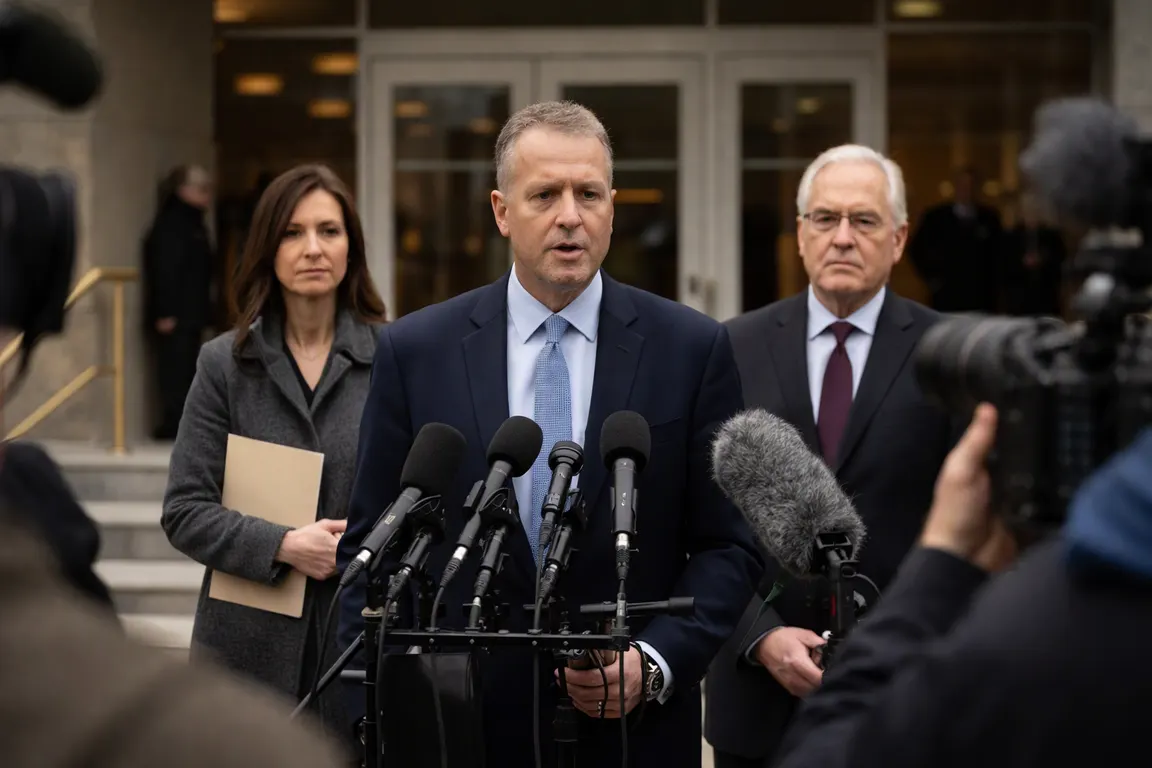
The Justice Department filed a lawsuit Tuesday in federal court in Anchorage seeking an injunction to block Alaska Senate certification if Republican Dan Sullivan loses. The complaint asks for a temporary restraining order, arguing that the state's ballot design—featuring two Republican candidates named Dan Sullivan—could confuse voters and compromise the certification process.
The filing comes weeks before the 2024 midterm elections and revives a long‑standing debate over the balance between federal authority and state‑run elections. Legal scholars say the case could set a precedent for future federal challenges to state election outcomes, while officials warn it could undermine confidence in the democratic process at a critical moment.
Incumbent Democratic Senator Mary Peltola, who won a special election in 2022, is seeking re‑election. After the primary produced the two Dan Sullivans, President Donald Trump publicly said he had directed the Justice Department to intervene if a Democratic victory appeared likely. Attorney General Todd Blanche declined to confirm the department’s independence from the White House and hinted that similar actions could be considered in other states.
Alaska’s chief election officer, Julie G. O’Neill, said the state will continue to follow established certification procedures and will defend the process against unlawful interference. Senator Peltola’s campaign called the lawsuit “an unprecedented federal intrusion” that threatens the integrity of Alaska’s elections.
Federal challenges to a state’s certification of a federal office are rare. If a court grants the injunction, it could open the door to comparable suits in other swing states, increasing litigation costs for state election boards and potentially delaying final results. A dismissal would reaffirm that states retain primary authority over election administration and certification, even for federal offices.
Critics note the timing—mere weeks before the general election—creates uncertainty for voters and could depress turnout, especially in areas already skeptical of national institutions. Public‑trust advocates warn that the perception of federal overreach may erode confidence in the electoral system.
A hearing on the preliminary injunction is scheduled for later this month. The court’s decision will determine whether Alaska’s Senate race proceeds under the usual state certification timeline or faces a federal judicial hold. Regardless of the outcome, the lawsuit highlights the growing tension between federal oversight and state autonomy in U.S. elections, a conflict likely to shape legal and political debates beyond the 2024 cycle.