

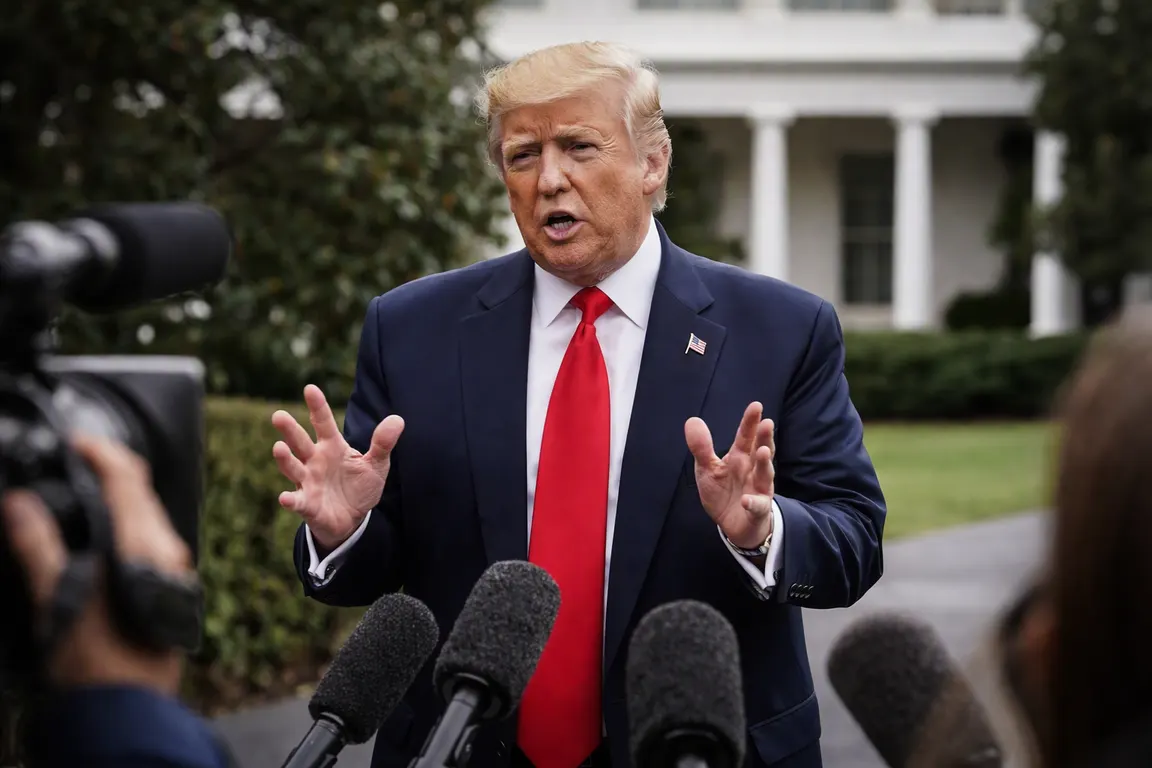
President Donald Trump used an all‑caps post on Truth Social this week to argue that the United States does not need regulatory safeguards for artificial intelligence. He wrote that a “strong and smart (High IQ!) president” is enough to keep the technology in check, framing the issue as an AI regulation debate.
Trump’s comments arrived as AI executives, including Anthropic CEO Dario Amodei, have urged Congress and federal agencies to consider guardrails that could prevent harmful outcomes. In a separate Truth Social message, Trump dismissed Amodei’s call for oversight as a “sick conspiracy” and warned that any slowdown would benefit China.
The remarks were reported by NBC News, which noted that no specific policy measures or enforcement actions were outlined. The administration has previously promoted rapid AI development and expanded data‑center capacity to maintain a technological edge over Beijing, but it has not disclosed concrete steps to monitor or limit potentially dangerous AI behavior.
Industry leaders have warned that unchecked deployment could amplify misinformation, embed bias, or create other public‑safety hazards. Their appeals for a measured rollout contrast sharply with Trump’s dismissal of guardrails, leaving developers, investors and workers in the sector uncertain about future expectations.
Congress is expected to hold hearings on AI safety in the coming weeks. Committee staff are likely to request briefings from the Department of Commerce and the National Institute of Standards and Technology as they consider possible legislation or agency rulemaking.
The debate also touches on the broader U.S.–China tech rivalry. Trump’s claim that China would profit from any U.S. slowdown reflects a long‑standing narrative that technological leadership is a national‑security imperative. Analysts note that while accelerating AI capabilities can boost economic growth, it also raises the risk of deploying systems before robust testing, potentially exposing the public to unanticipated harms.
Without formal guidance from the White House, the next steps will depend on congressional action and possible agency rules. Stakeholders are watching for any concrete proposals that could define the balance between rapid innovation and the safeguards needed to protect consumers and national interests.