

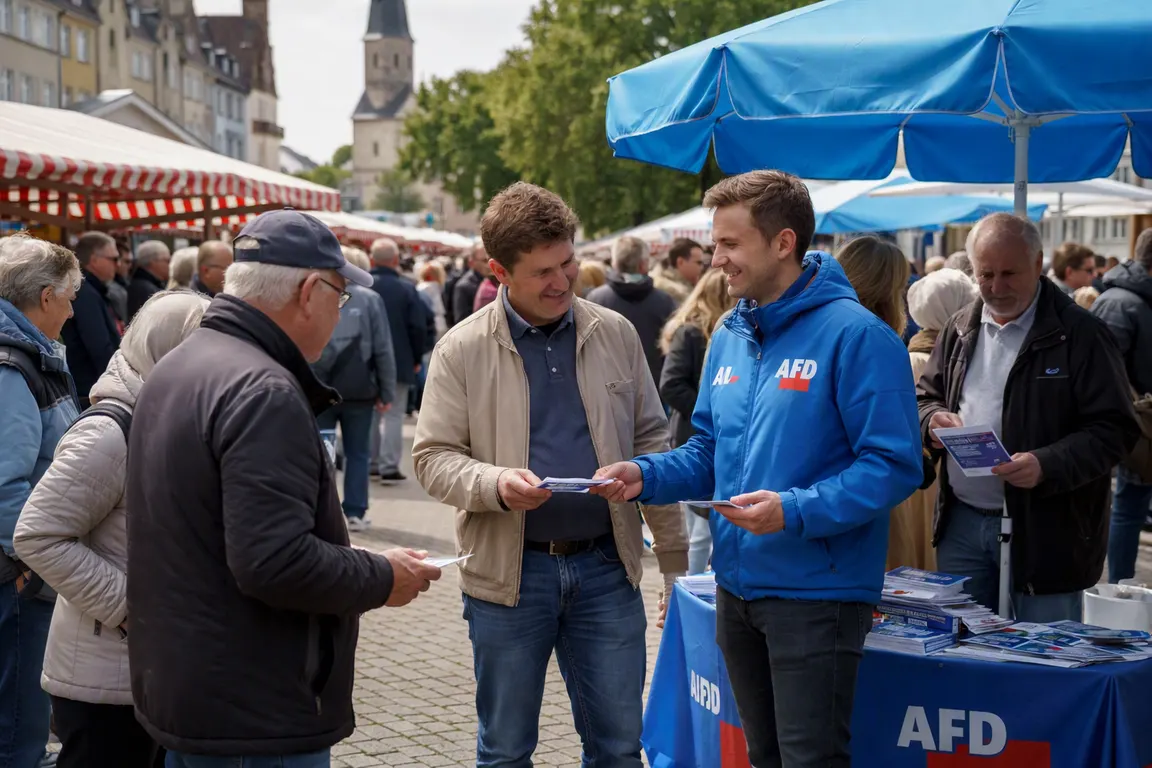
Voters in Saxony-Anhalt head to the polls on Sunday, and pre‑election surveys show the Alternative für Deutschland (AfD) at just over 40 percent – enough to make it the biggest party in the 97‑seat Landtag. This AfD Saxony-Anhalt election lead has been steady for months, with three major pollsters placing the party above the 40‑percent mark.
If the AfD finishes first, the state’s mainstream parties will face a stark choice: form a coalition that excludes the far‑right party or negotiate a partnership that gives the AfD a role in government. The decision will shape policies on immigration enforcement, public‑order funding and the state’s share of EU programmes, and it could reverberate nationally as parties gauge voter sentiment ahead of the 2025 federal election.
Even as a plurality, the AfD would still need partners to command a majority. The centre‑right CDU/CSU, centre‑left SPD, Greens, liberal FDP and left‑wing Die Linke must decide whether to create a "blocking" coalition that keeps the AfD out or to entertain a more permissive arrangement. Ideological gaps make a blockade likely with the Greens, SPD and Die Linke, while the CDU/CSU and FDP could face internal pressure to resist an AfD partnership.
For residents, the stakes are concrete. An AfD‑led government could tighten state‑level immigration enforcement, reallocate funding for social services and shift police and public‑order budgets. Local businesses worry that a nationalist‑leaning administration might clash with EU funding rules, potentially jeopardising subsidies for infrastructure projects and cross‑border trade. The party has not released detailed policy proposals for a state government, leaving many specifics uncertain.
Nationally, the election is viewed as a barometer of the AfD’s appeal in eastern Germany. A strong showing could embolden the party’s leadership in Berlin, while a decisive coalition that sidelines the AfD would reinforce the post‑war consensus that mainstream parties will not share power with far‑right forces.
After the Sunday vote, officials will begin tabulating results, with early projections expected within hours. If the AfD tops the poll, coalition talks are likely to start within weeks, determining whether the party can govern alone, form a partnership or be blocked entirely. The coming weeks will reveal which configuration of parties emerges and how it will translate into policy decisions that affect everyday life in Saxony‑Anhalt and, by extension, the broader German political landscape.