

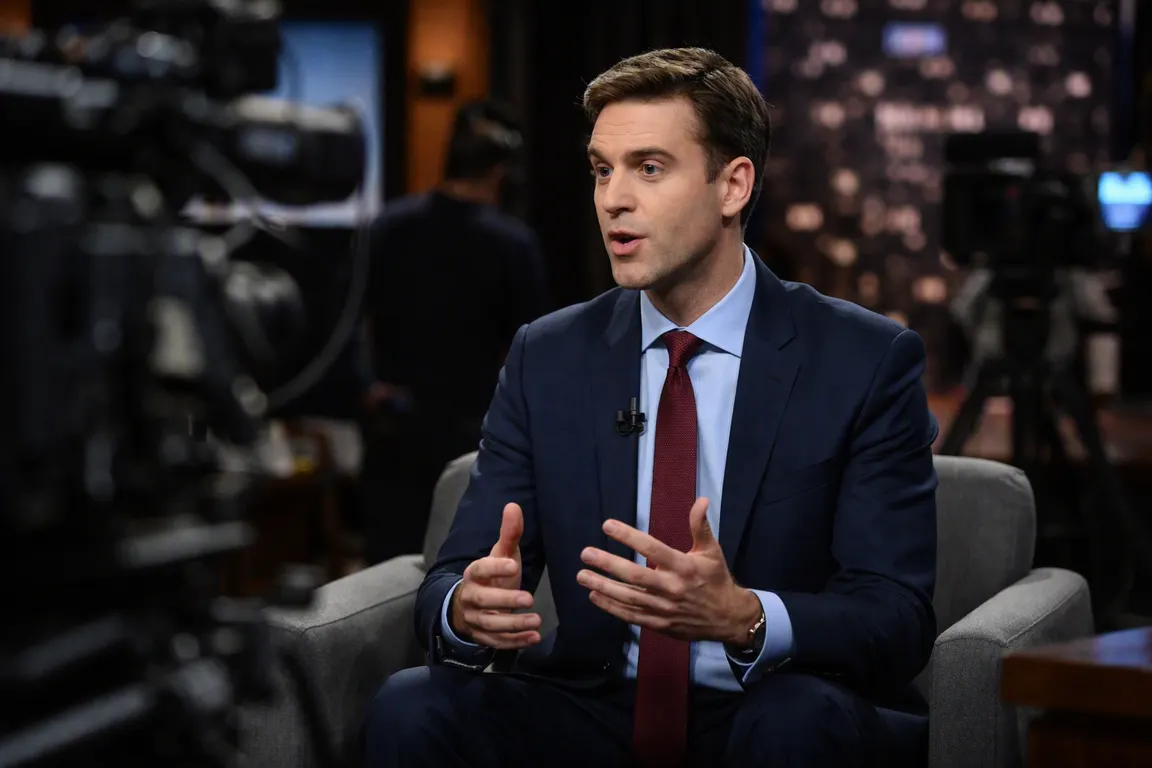
ABC announced Wednesday that the network will not air the scheduled interview with Texas Democratic Senate candidate James Talarico on "Jimmy Kimmel Live!" The interview will instead be posted to the show's YouTube channel after the network cited an alleged FCC warning, an "ABC interview FCC warning" that could lead to punitive action.
The decision raises First‑Amendment concerns about how regulatory pressure can affect the information voters receive in a tight state Senate race. Removing a political interview from a primetime broadcast limits the reach of a candidate’s platform to a national audience that relies on network television for news.
Kimmel said the network received "threats" from the FCC, linking the warning to the Trump administration's stance on broadcast content. ABC and the FCC have not provided any comment or released the alleged communication. The claim appears in three national outlets – the New York Post, NBC News Top Stories and The Independent World – but none have independently verified the pressure.
ABC's late‑night slot typically draws tens of millions of viewers, far more than a YouTube upload can attract in the short term. For Texas voters who depend on broadcast news, the loss of a televised interview could reduce exposure to Talarico's positions on education, public safety and infrastructure. Campaign staff say they will promote the YouTube link, but digital reach is uneven and may not substitute for the broad, cross‑demographic viewership of network TV.
The move could also draw scrutiny from advertisers and media watchdogs. If the network appears to bow to regulatory intimidation, sponsors who value editorial independence may reconsider their support. ABC could argue the decision reflects a prudent risk assessment in a highly politicized environment, but without a formal FCC statement the nature of the alleged threat remains unclear.
Legal experts note that the FCC's authority over broadcast content is limited to enforcing statutory rules, not dictating editorial choices. The agency can levy fines or revoke licenses for violations, which can create a chilling effect if broadcasters treat vague warnings as threats to their operational viability. Whether the warning was a direct order, an informal suggestion or a misreading of standard guidance is unknown.
The episode comes as media companies navigate heightened political polarization and increased scrutiny of content‑moderation practices. It underscores the tension between a broadcaster's editorial discretion and the potential for regulatory influence to shape that discretion. Observers will watch whether the YouTube posting draws viewership comparable to a traditional broadcast and whether the incident prompts any formal inquiry from the FCC or congressional committees.
Without concrete evidence of FCC communication, the public is left to assess whether ABC's choice reflects genuine self‑censorship or a legitimate response to regulatory risk. Further clarification from ABC, the FCC or the White House could determine whether this case remains a footnote in the debate over media freedom or becomes a catalyst for policy reforms aimed at insulating broadcasters from perceived political pressure.