

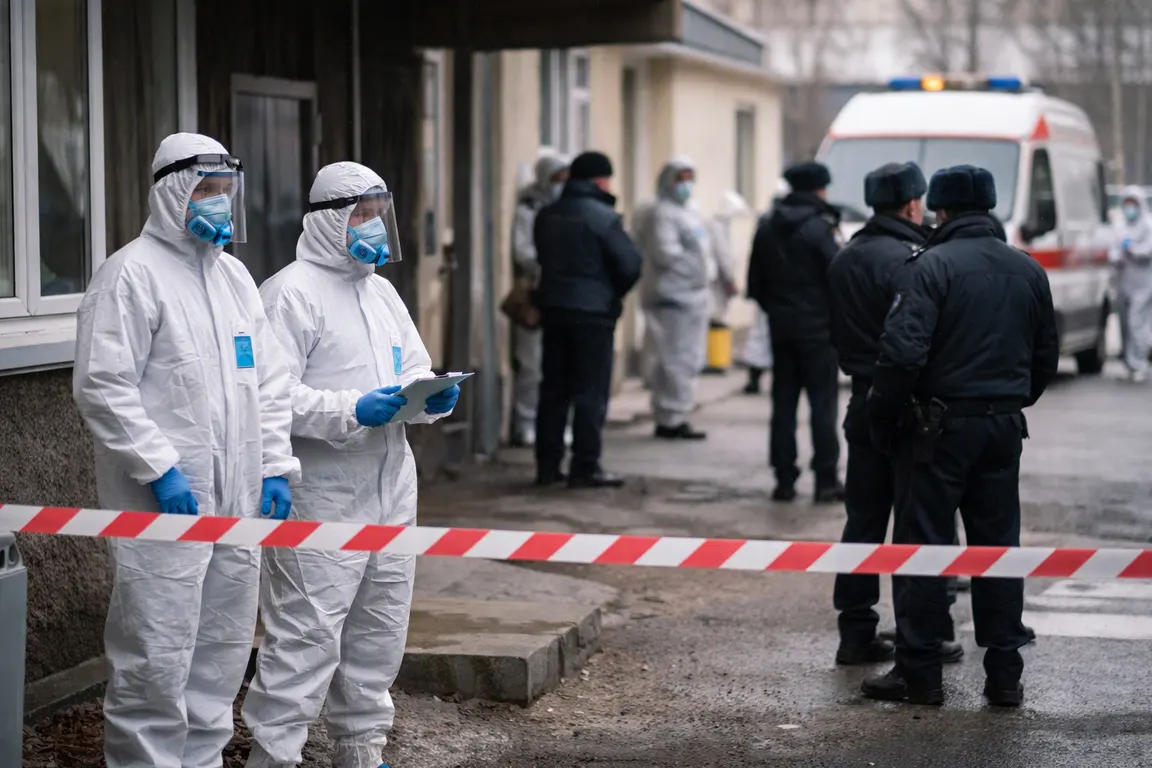
A laboratory technician at a research centre in Siberia died in early March, and Russian health officials say the illness may be pneumonic plague. The hospital where the worker was treated has been placed under quarantine and roughly 200 contacts are being monitored. U.S. agencies, including the Centers for Disease Control and Prevention, are watching the case closely and have offered assistance if needed.
Pneumonic plague, caused by the bacterium Yersinia pestis, spreads through respiratory droplets and can be fatal without prompt antibiotic treatment. Because the disease can pass from person to person, authorities moved quickly to seal off the hospital and begin contact tracing for staff, patients and others who may have been exposed.
The Ministry of Health has not issued a public advisory, but the quarantine remains in effect while laboratory tests confirm the pathogen. No secondary infections have been reported among the 200 individuals under observation, and officials say the situation appears contained pending test results.
In Washington, senior officials from the CDC and the Department of Health and Human Services confirmed active monitoring of reports from eastern Russia. President Donald Trump said the United States is "very strongly" looking at the case and stands ready to aid Russia, though details of any assistance have not been disclosed. The State Department is maintaining communication with Russian counterparts to coordinate a response if needed.
Pneumonic plague is rare in the modern era, but health agencies remain vigilant because it can spread more easily than the flea‑borne bubonic form. Untreated cases historically have mortality rates above 50 percent, while antibiotics are effective when administered early. The lack of confirmed secondary cases suggests that early containment measures may be working, though the definitive diagnosis is still pending.
Hospital staff are under isolation protocols, and residents of the surrounding community are on heightened alert. Daily health checks are being conducted for the 200 contacts, and prophylactic antibiotics are being considered, though officials have not released specific treatment plans.
The incident has prompted a review of pandemic‑response plans in the United States and highlighted the need for rapid diagnostic capacity when zoonotic threats emerge in remote regions. Both governments say they will release test results as soon as they are available, and the United States has reiterated its willingness to provide expertise or material support.
Until laboratory confirmation of Yersinia pestis is obtained, the risk of further spread remains low but not negligible. Public‑health officials stress the importance of monitoring any new symptoms among identified contacts and underscore how a single, isolated incident can trigger international health surveillance and cooperation, reminding policymakers that emerging zoonotic diseases continue to pose cross‑border challenges.