

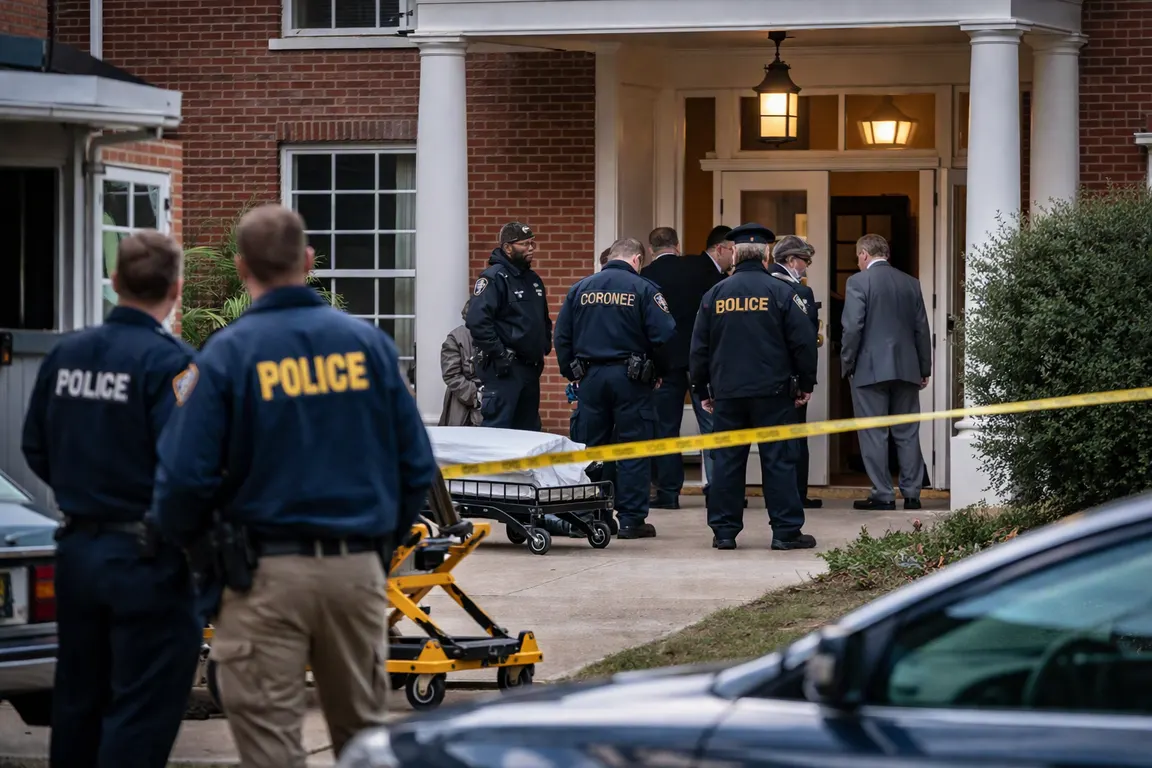
Two University of Mississippi students were found dead in separate dormitory rooms early Monday, prompting an immediate police response and a campus‑wide alert. Dispatch audio released by Fox News captured a caller reporting a possible overdose before the bodies were discovered, and investigators later reported finding sealed packets of kratom at each location.
Police arrived at the dormitory shortly after 8 a.m., heard a distressed voice describe a potential overdose, and entered two rooms where the students were unresponsive. Searches of the rooms uncovered packaged kratom on bedside tables and in personal belongings. The university’s public‑safety office confirmed the discovery but said the role of kratom, if any, in the deaths has not been established. The investigation is being led jointly by the Oxford Police Department, university officials and the Office of the State Medical Examiner, which will conduct toxicology tests.
The deaths have thrust the controversial herbal supplement into the national conversation. Kratom, a plant‑derived product used by an estimated five million Americans for pain relief, mood enhancement or to ease opioid withdrawal, is sold in small packets that can be ingested or brewed as tea. The FDA has not approved kratom for any medical use and has warned that it can cause addiction, respiratory depression and contamination. Advocates argue it offers a harm‑reduction alternative for people withdrawing from opioids; critics point to sporadic reports of adverse events, including seizures and, in rare cases, death.
University officials have not linked the substance to the fatalities. No autopsy results have been released, and the cause of death remains officially undetermined. The campus community is questioning whether dormitory policies should address possession of unregulated herbal supplements. The university has pledged to increase counseling resources and to hold informational sessions on substance use, but it has not announced any changes to housing rules.
Media coverage reflects the debate. The New York Post highlighted the dispatch audio and suggested a possible overdose link, while NBC News and The Independent World emphasized that officials have not confirmed kratom’s involvement. The lack of an official cause of death leaves families and the public in uncertainty and underscores the difficulty of drawing conclusions from limited evidence.
Authorities will release toxicology findings and a definitive cause of death as the investigation proceeds. In the meantime, police and university officials are urging anyone with information to come forward and reminding students of existing resources for substance‑related concerns. The outcome could shape future campus policies and may reignite calls for tighter regulation of kratom at the state and federal levels.