

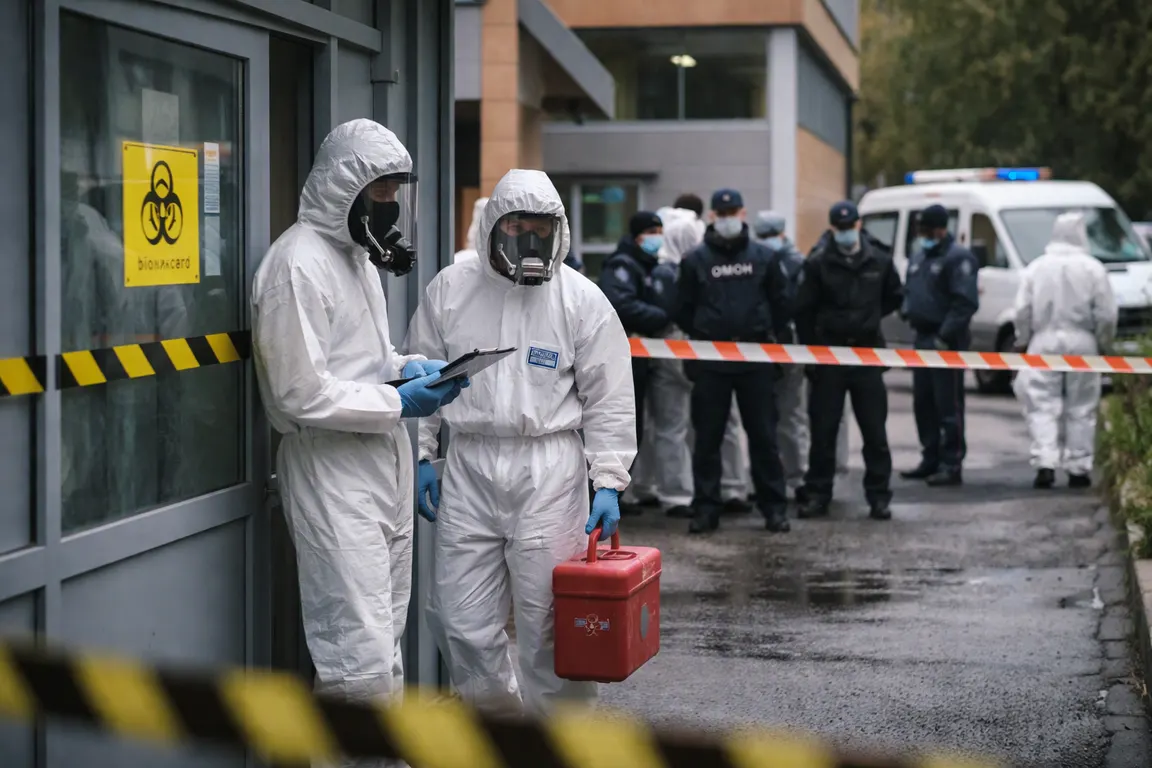
A 28‑year‑old researcher at Russia’s federal anti‑plague institute in Irkutsk died when a test tube shattered in a high‑containment laboratory, prompting an Irkutsk lab plague quarantine of as many as 200 contacts while the cause of death was investigated.
The incident raised immediate concerns because pneumonic plague can spread through respiratory droplets. Initial reports described the case as a “suspected pneumonic plague,” which triggered a rapid containment response. Local health officials ordered the isolation of laboratory staff and nearby residents, with early estimates of those placed under quarantine ranging from a few dozen to roughly 200, according to Russian and international media.
By the following Tuesday, Russian health officials said the situation was “stable” and reported that about 60 % of identified close contacts had been tested. NBC News said none of the samples showed Yersinia pestis, the bacterium that causes plague, and no secondary cases had been recorded. Testing of the remaining contacts was still underway, and no positive results had been found.
U.S. officials have taken an interest in the case. Senator Marco Rubio asked Russian authorities for more details, and the White House noted the incident was on its monitoring list. The request reflects broader concerns about transparency and the ability of international partners to assess bio‑security risks in real time.
Key unanswered questions remain. Russian officials have not disclosed what was in the broken tube, leaving the actual risk to staff and the community unclear. The wide range in reported quarantine numbers also points to inconsistencies in communication that can erode public confidence. Finally, the reliance on a single nation’s assessment without independent verification highlights gaps in the global disease‑surveillance network.
For the families of the deceased researcher and the roughly two‑hundred people placed under quarantine, the impact is personal and logistical. Hospitals in Irkutsk have diverted resources to testing and isolation, potentially affecting routine care for other patients. While no formal travel restrictions have been announced, regional commerce and tourism could feel secondary effects if advisories are issued.
The next steps include completing testing of all contacts and conducting a thorough review of the laboratory’s safety protocols. International health agencies may seek data sharing with Russian officials, and U.S. lawmakers are likely to monitor the response for signs of systemic weaknesses. Until the cause of the researcher’s death is confirmed, the episode underscores how limited information can amplify perceived threats and test the limits of bio‑security coordination worldwide.