

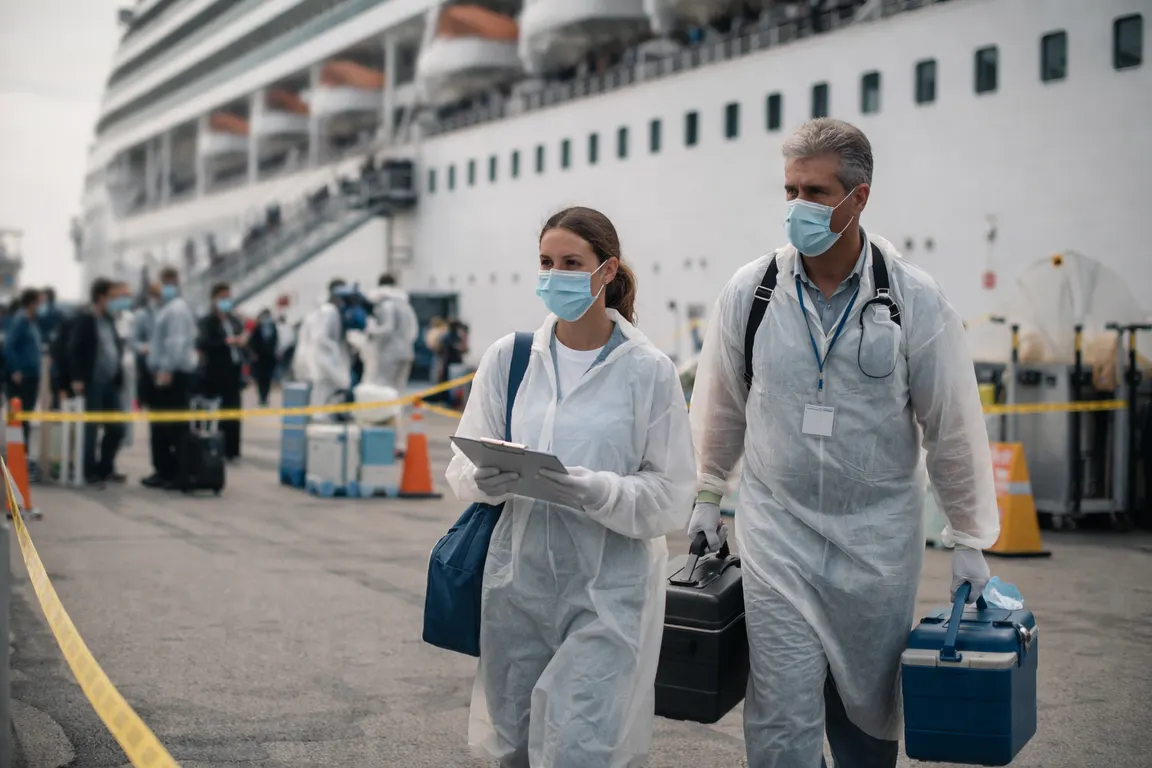
The World Health Organization is set to declare the Hantavirus Outbreak on a cruise ship over on July 2, marking the formal end of an outbreak that sparked international alarm and resulted in three deaths. This declaration comes as scientists are just beginning their work to understand the virus and develop tests, treatments, and vaccines.
The MV Hondius, a Dutch-flagged ship, set off from Ushuaia, Argentina on April 1 and visited remote islands in the South Atlantic Ocean, including Tristan da Cunha, before heading to Tenerife in Spain's Canary Islands. Over 650 contacts were identified and followed up by health authorities in 33 countries and territories. In the US, 18 Americans were placed under quarantine at a Nebraska medical center last month.
The US Department of Health and Human Services has announced the end of the monitoring period for the virus. The outbreak has affected passengers and crew on the MV Hondius, as well as people in the communities visited by the ship, including the island of Tristan da Cunha, which has a population of 220.
As the outbreak comes to an end, scientists are gearing up to develop tests, treatments, and vaccines for hantavirus, a crucial step in preventing future outbreaks. The WHO's announcement that the outbreak will be declared over on July 2 assumes that no further cases will be reported. However, it is unclear what will happen if new cases emerge.
The implications of the outbreak for global public health are significant, and the development of tests, treatments, and vaccines for hantavirus is a critical next step in preventing similar outbreaks in the future. Now, scientists must turn their attention to understanding the virus and developing the tools to prevent future outbreaks, a task that will require continued international cooperation and investment in public health infrastructure.
The work to prevent future outbreaks is just beginning, and understanding the virus is crucial to developing diagnostics, therapeutics, and vaccines. The WHO's declaration marks the formal end of the outbreak, but it also marks the beginning of a new phase of research and development aimed at protecting public health.