

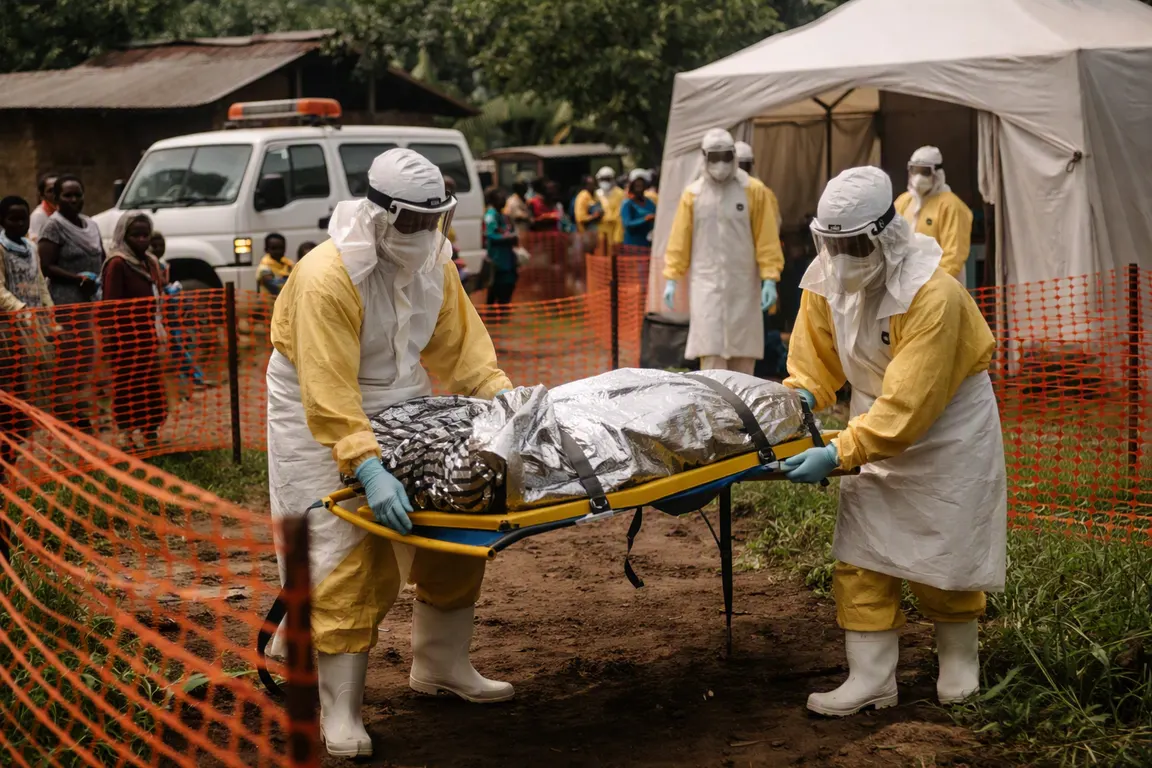
The World Health Organization is working to contain the Ebola outbreak in the Democratic Republic of Congo, where the virus has resulted in over 1,900 deaths and 4,200 confirmed cases. The outbreak has prompted concerns about the ability of authorities to control the spread of the disease, with infection rates high and earlier cases being wrongly attributed to malaria and typhoid.
The WHO has stated that the virus is spreading faster than efforts to combat it, indicating that the disease is spreading faster than efforts to contain it. The high infection rates and spread of the disease are having a significant impact on the community and the economy. The DRC government has implemented measures to control the spread of the disease, including increased screening and vaccination efforts.
The WHO has warned that it may take several months to bring the disease under control. As the outbreak continues to spread, the WHO and local authorities are facing a daunting challenge in trying to contain the disease. The organization is working to increase efforts to contain the outbreak and provide support to affected communities. The next step for the WHO and local authorities will be to increase efforts to contain the outbreak and mitigate its impact on the community and the economy.
The DRC government's measures to control the spread of the disease are crucial in mitigating the outbreak's impact. The government's efforts, combined with the WHO's support, aim to reduce the number of new cases and prevent further spread of the disease. The WHO's warning that the outbreak may take several months to bring under control highlights the need for sustained efforts to combat the disease.
The Ebola outbreak in the DRC is a significant public health concern, with far-reaching implications for the community, the economy, and the region. The WHO and local authorities' efforts to contain the outbreak are critical in preventing further spread of the disease and mitigating its impact.