

The White House is weighing the Defense Production Act refining option as diesel prices hit a record $6 per gallon and gasoline climbs above $4.20.
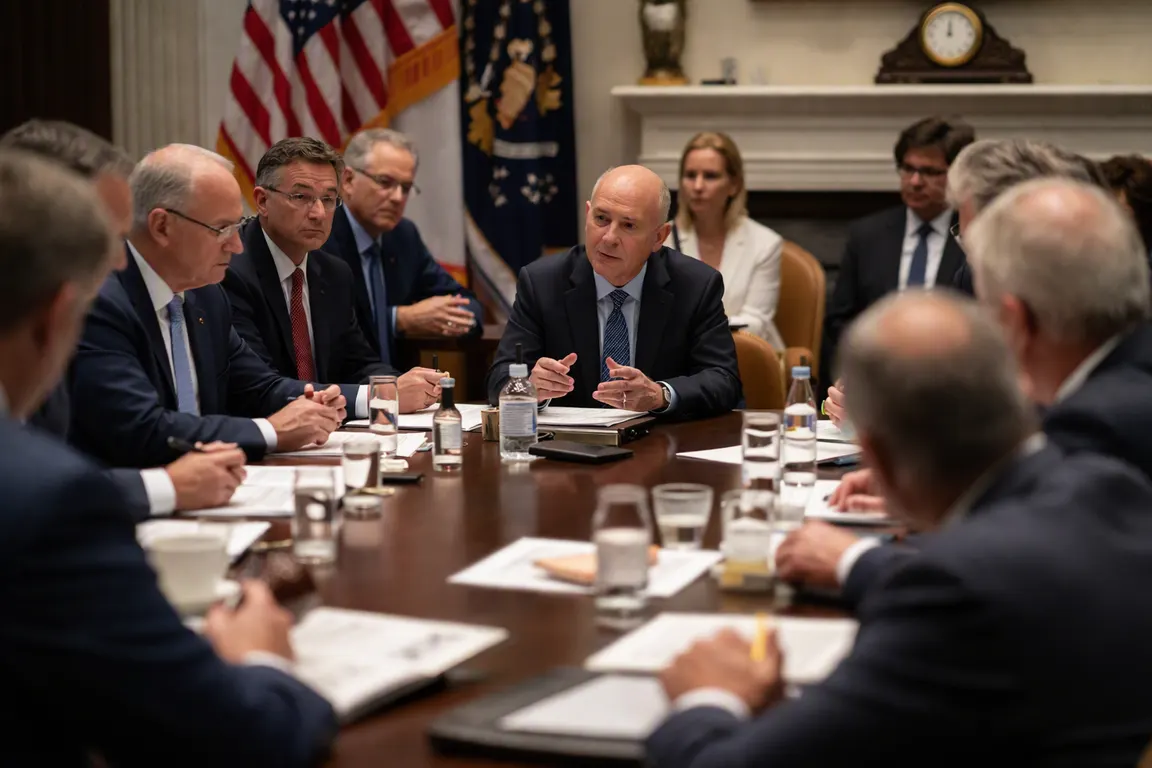
In a meeting last week with about a dozen major refiners, officials discussed invoking the wartime‑era authority to accelerate new projects and expand existing plants. No decision has been announced.
Refinery utilization is running above 98 percent, leaving little margin to absorb additional demand. The surge in fuel costs is hitting consumers, freight operators and small businesses that rely on diesel‑powered transport.
The administration’s toolbox includes DPA contracts, Jones Act waivers, and releases from the Strategic Petroleum Reserve (SPR). President Trump authorized DPA use for petroleum production, refining and logistics in April, the first such invocation in more than a decade.
The meeting, reported by Reuters, focused on the 168,000‑barrel‑per‑day America First Refining project in Brownsville, Texas. Backed by Reliance Industries and tied to a 20‑year off‑take agreement, the plant remains unfunded, and officials have not confirmed whether DPA financing will be provided.
Policy analysts outline six levers the White House could pull: a DPA contract, additional Jones Act waivers, further SPR draws, temporary export restrictions, fuel‑tax waivers, and other emergency measures. JPMorgan commodity‑research head Natasha Kaneva notes that each lever has different timing and market effects, but none can instantly lower pump prices.
Ukrainian attacks on Russian diesel infrastructure have been cited as a factor in global fuel markets. While some outlets report President Trump urging President Zelenskyy to halt such strikes, analysts say the direct link to U.S. price spikes has not been independently verified. The primary drivers remain tight domestic refining margins, high crude costs and broader geopolitical supply disruptions.
If a DPA contract is awarded, contractors could receive priority access to steel, equipment and permitting, potentially shaving months off construction timelines. The Brownsville project could move from planning to groundbreaking more quickly, creating construction jobs and long‑term refinery employment. However, expanding output will not immediately lower retail prices; additional barrels must move through an already congested distribution network, and any gains could be offset by higher crude prices or ongoing global constraints.
The White House has not set a deadline for a decision. Industry sources say officials will weigh the cost of DPA contracts against the projected fuel‑supply benefit. As diesel prices linger at historic highs, the next few weeks will show whether emergency powers become a practical tool or remain a policy option on the table.