

U.S. Waives Russia Energy Sanctions Amid Ukraine Drone
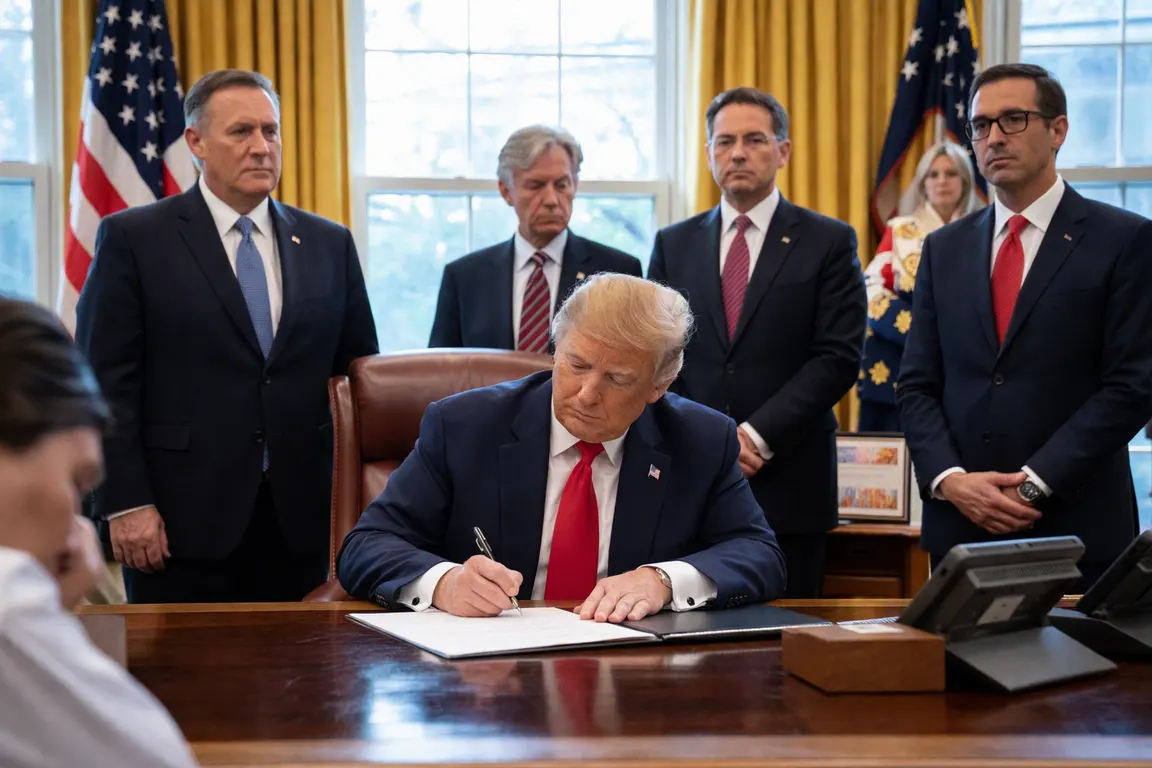
Washington lifted a key set of sanctions on Russia on Oct. 17, issuing a U.S. Russia energy sanctions waiver that removes the steep tariffs imposed by the Lindsey Graham Sanctions Act. The executive waiver, signed by President Donald Trump, eliminates the 500% tariff on Russian goods and the 100% surcharge on the five largest buyers of Russian oil and gas. The move comes as Kyiv intensified drone attacks on Russian oil and gas facilities.
Russia’s Defence Ministry said Ukrainian drones intercepted 644 unmanned aircraft over 26 regions and Crimea on Oct. 16, including a strike on a Yandex data centre and attacks on several refineries and pipelines. The strikes aim to disrupt Moscow’s energy export capacity.
The timing matters for three reasons. First, Ukraine’s power grid suffered a coordinated strike on Oct. 16 that knocked out more than 15 generation and transmission sites, prompting President Volodymyr Zelenskyy to request an additional €70 billion for 2027, citing a total war cost of €155 billion. Second, European countries are grappling with diesel shortages that have pushed fuel prices higher and strained aid budgets. By allowing Russian diesel back into global markets, the waiver could ease price spikes but also restore revenue for Moscow’s war machine. Third, the decision has drawn bipartisan criticism in Washington. Democratic Senator Richard Blumenthal and a group of Republican lawmakers called the move a “sucking up to Vladimir Putin,” warning it could undermine the credibility of U.S. sanctions and future aid to Kyiv.
European officials responded cautiously. EU Council President Antonio Costa and Dutch Prime Minister Rob Jetten reaffirmed their commitment to Ukraine and urged the alliance to maintain or increase support despite the U.S. reversal. Their statements reflect concern that European capitals may have to choose between short‑term energy relief and a long‑term strategy of economic pressure on Russia.
The impact on Ukraine’s drone campaign is uncertain. The sanctions were intended to limit Russia’s ability to fund its war effort, including the purchase of air‑defence systems that could blunt future UAV attacks. Restoring Russian revenue could help Moscow replace lost equipment, potentially raising the cost of Ukraine’s aerial offensive. Conversely, a modest influx of Russian diesel into European markets might ease fuel scarcity for Ukraine’s logistics, though no direct link between the waiver and any diesel‑supply agreement has been confirmed.
The decision arrives weeks before the 2026 midterm elections, adding a political dimension. Lawmakers opposing the waiver may use their criticism to shape upcoming aid legislation, possibly demanding stricter conditions on future assistance to Kyiv.
The next steps will likely unfold at the EU summit, where leaders will debate whether to adjust their own sanction regimes or increase financial transfers to Ukraine to offset any revenue shortfall caused by the U.S. policy shift. Meanwhile, Ukraine continues to repair its battered grid while sustaining its drone operations, underscoring how closely energy policy, military tactics and geopolitics have become intertwined in the conflict.