

US $1 Trillion Bond Buyback and 50% Canada Auto Tariff
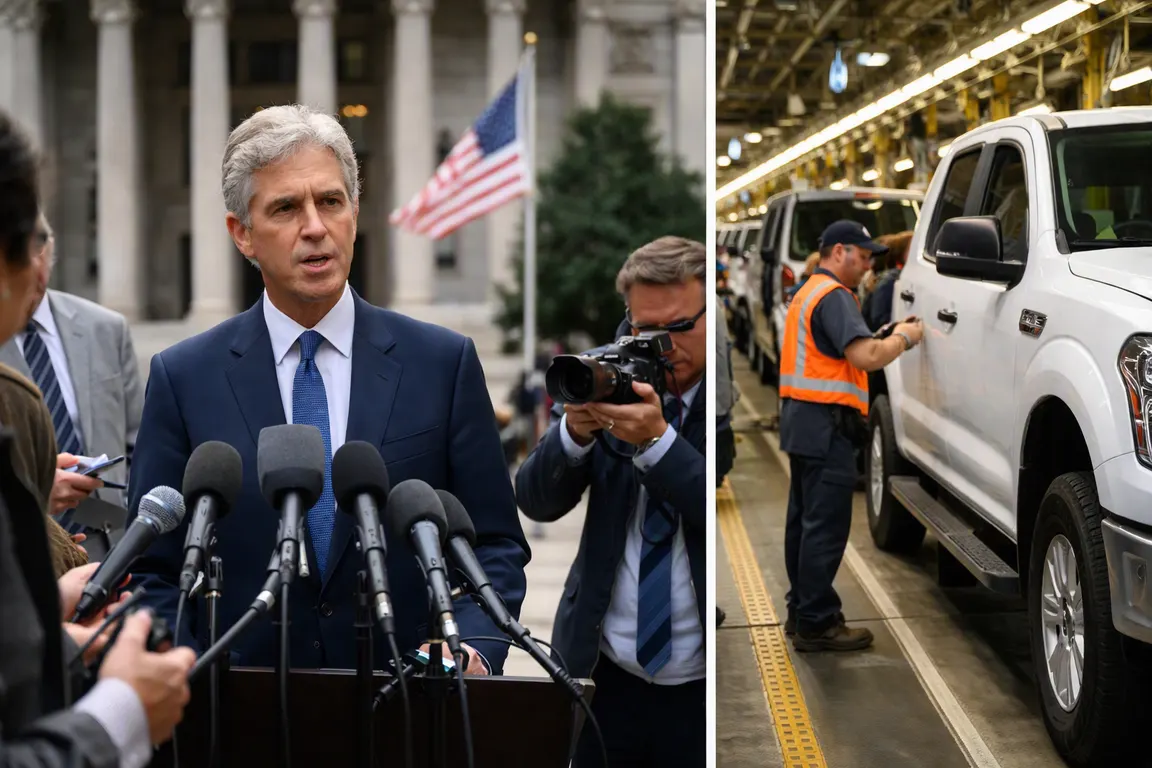
Treasury Secretary Scott Bessent announced on Aug. 24 that the United States will draw up to $1 trillion from the Treasury General Account for a one‑time bond buyback and will impose secondary sanctions on entities that support Iran’s economy. The same day, the administration confirmed a 50 % tariff on Canadian automobiles, trucks and parts that will take effect on Jan. 1, 2027, adding a new flashpoint to the U.S.–Canada trade relationship.
The announcements moved core markets immediately. Brent crude slipped below $90 a barrel and WTI fell more than 3 % to about $82.50 as investors read the Iran‑related sanctions as a de‑escalation signal. U.S. 10‑year Treasury yields dropped roughly four basis points, while S&P 500 futures rose 0.4 % and chip‑related stocks recovered from earlier weakness. The reaction underscores how tightly policy news ties to energy pricing, financing costs and equity sentiment.
Bessent’s plan marks a sharp escalation from earlier talks of $2 billion per round of buybacks. By tapping the Treasury’s general account, the Treasury can retire a sizable share of outstanding debt, potentially easing pressure on yields. The secondary sanctions target banks, insurers and logistics firms that facilitate Iran’s trade, a step Bessent said is needed to curb Tehran’s funding while warning against “blowing up the global financial system.” Iranian officials dismissed the language as a bluff, highlighting a diplomatic divide that could affect compliance.
The Canadian tariff adds a parallel shock. A 50 % duty on vehicles and parts is intended to protect domestic manufacturers but could raise the price of a typical family car in the United States by several thousand dollars. Fact‑checkers note that earlier Canadian claims of cutting 85 % of U.S. electricity imports were vastly overstated; U.S. power consumption from Canada is under 1 %. Nonetheless, the tariff threatens a $20 billion market for Canadian auto exporters and may prompt retaliatory measures.
Complicating the picture, Pakistan’s army chief, Field Marshal Asim Munir, delivered a U.S.-drafted proposal to Tehran offering sanction relief if Iran re‑opens the Strait of Hormuz. The offer, conveyed during a visit to Tehran on the same day Bessent spoke, provides a diplomatic lever that could moderate the impact of the secondary sanctions on global oil flows. The extent of U.S. diplomatic re‑engagement remains unclear; some reports say embassies will reopen this week, while others note many posts stay shuttered.
For consumers, lower oil prices provide short‑term relief at the pump, but the risk of tighter Iranian oil exports looms if sanctions tighten. Investors must weigh the durability of the current bond‑yield dip against the possibility of renewed market stress if the tariff dispute escalates or if secondary sanctions choke Iranian financing. The automotive sector faces a crossroads as higher tariffs could reshape supply chains and pricing for both U.S. buyers and Canadian manufacturers.
The next week will test whether these moves are a temporary pause or the start of a longer‑term adjustment. Treasury officials are expected to detail the timing of the bond buyback, while U.S. trade negotiators will likely outline enforcement mechanisms for the Canadian tariff. How those details unfold will determine whether the dual‑front pressure translates into lasting shifts in energy markets, financing conditions and cross‑border trade.