

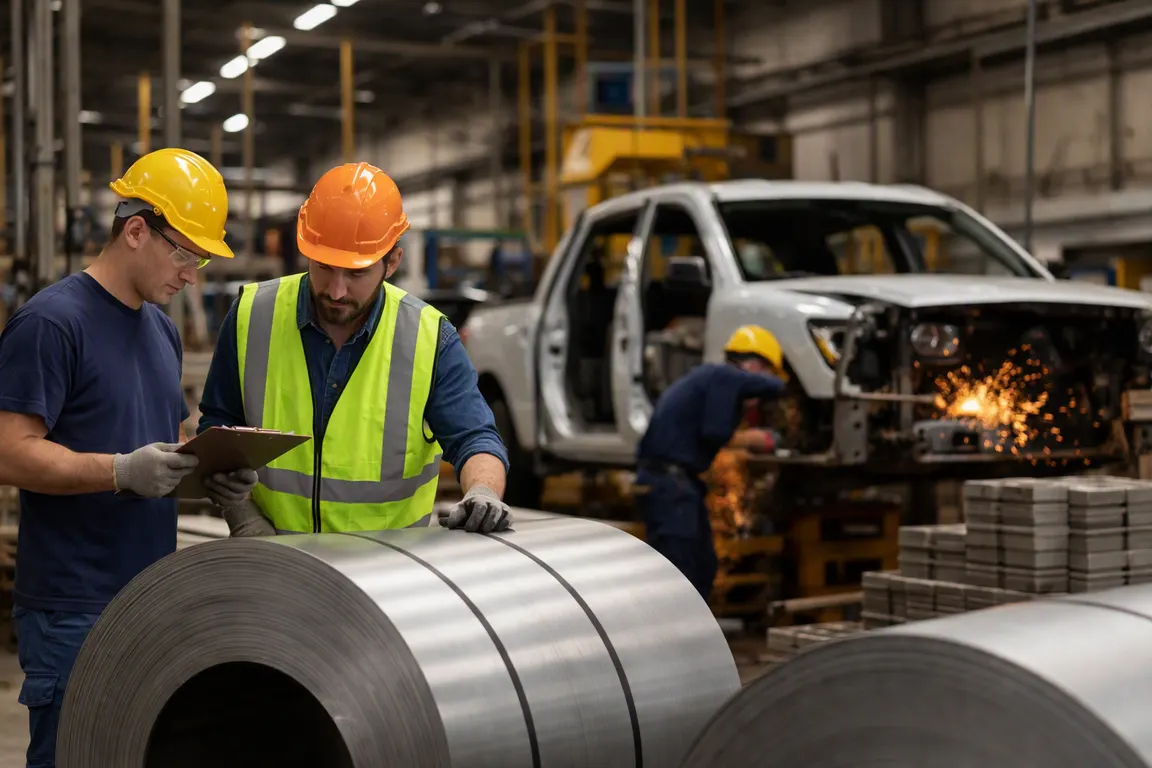
The United States announced a 50 percent tariff on $20 billion of Canadian imports, a move that could raise costs for auto parts, steel and aluminum used in both countries. President Donald Trump later said on social media he is "giving serious consideration" to renaming Lake Ontario "Lake America," a rhetorical comment that underscores the heightened tension.
The tariffs affect a broad range of Canadian products, from automotive components produced in Ontario’s integrated supply chain to consumer goods that rely on U.S. inputs. Ontario, Canada’s most populous province, hosts a dense network of auto manufacturers whose factories ship parts across the Detroit‑Windsor corridor daily. Higher duties increase the cost of those parts for American assemblers, potentially prompting production cuts or relocation.
In Michigan, a furniture business owner told the Manila Times that the tariffs threaten his ability to sustain his family and community, illustrating how small‑business owners are already feeling the pressure. Ontario Premier Doug Ford responded by calling Trump a "dictator" and a "king of bankruptcies," language echoed in The Independent. Finance Minister François‑Philippe Champagne and three cabinet ministers plan to announce support measures for workers affected by the tariffs, according to the Manila Times.
Bank of Canada Governor Mark Carney warned that the United States is trying to "destroy our major industries," naming autos, steel and aluminum as primary targets. The proposed lake rename has no legislative footing; no executive order or bill has been filed, and Canadian authorities have not issued an official response.
The Wall Street Journal framed the comment as a "threat," while Al Jazeera noted the lake’s geographic reality—bordering New York and Ontario—without linking it to the trade dispute. The absence of a formal process underscores that the move is largely rhetorical, yet its symbolism may influence public sentiment and political pressure on negotiators.
For manufacturers, the stakes are immediate. Higher tariffs increase input costs, which can translate into higher vehicle prices for consumers in both countries. Ontario’s auto sector, already dependent on just‑in‑time deliveries from Michigan plants, could see supply‑chain delays if duties persist. Steel and aluminum producers face similar risks, with potential job losses in regions that rely on cross‑border shipments. Canadian consumers may also feel the impact through higher prices on goods that incorporate U.S. components.
The next step appears to be the planned announcement of support measures for affected workers, scheduled for later this week. Whether those measures can offset the economic shock of the tariffs remains uncertain, and the broader trade negotiations have yet to produce a concrete path forward. As the United States and Canada continue to trade barbs, the question of whether a symbolic renaming can sway the outcome of the dispute looms unanswered.