

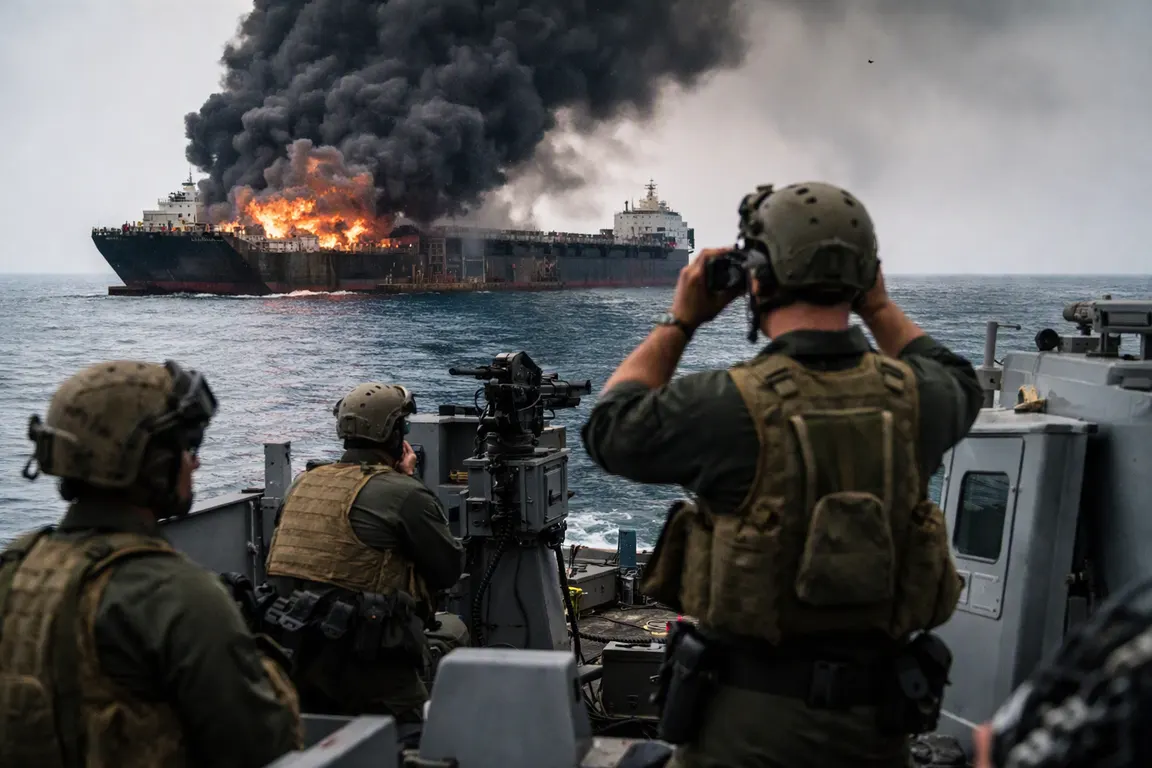
The United States launched missile strikes on two Iranian‑flagged oil tankers in the Gulf after Iran fired rockets at a U.S. base in Jordan. Within hours, Brent crude rose to $97.92 a barrel, the highest level since early 2022, and hovered near the $100 mark.
The price jump pushed global oil benchmarks into a volatile $85‑$105 range, lifted U.S. Treasury yields and nudged the S&P 500 lower. Analysts said the rally could add inflationary pressure and prompt the Federal Reserve to consider an earlier rate hike, though the central bank has not changed its outlook.
Iran’s Islamic Revolutionary Guard Corps warned crews of the targeted vessels to abandon their ships and signaled that further strikes could follow if the warnings were ignored. The warning underscored the heightened risk to tanker traffic near Kuwait, Bahrain and the Bab al‑Mandab Strait.
The market reaction was swift. The S&P 500 slipped about 0.6 percent on the day of the strikes, while Treasury yields rose as investors shifted to safer assets amid heightened geopolitical risk. The American Automobile Association reported record‑high diesel prices, a trend that is likely to push gasoline costs higher for U.S. drivers.
The turmoil is not limited to the U.S.–Iran exchange. Houthi rebels in Yemen have stepped up attacks on Saudi oil facilities, prompting Saudi forces to strike back and further constrict shipping lanes in the Gulf. The dual‑front pressure raises immediate safety concerns for crews and could force rerouting of cargoes, tightening global supply.
Energy‑importing nations such as Japan and members of the European Union may reassess strategic petroleum reserves and look to diversify supply chains as the conflict shows no sign of de‑escalation. Tanker crews face the prospect of sudden evacuation orders, while investors watch bond yields climb and equity portfolios shrink.
U.S. officials have not announced additional military actions, and Iran has not confirmed any retaliation beyond its IRGC warnings. Analysts at Eurasia Group cautioned that without a diplomatic breakthrough, oil prices are likely to remain in the current volatile band, keeping inflation pressures alive and leaving the Federal Reserve to weigh a potentially earlier tightening cycle.
The evolving interplay of U.S. strikes on Iranian tankers and Houthi‑Saudi clashes will determine whether the near‑$100 price level is a temporary spike or a sustained shock to the global energy system.