

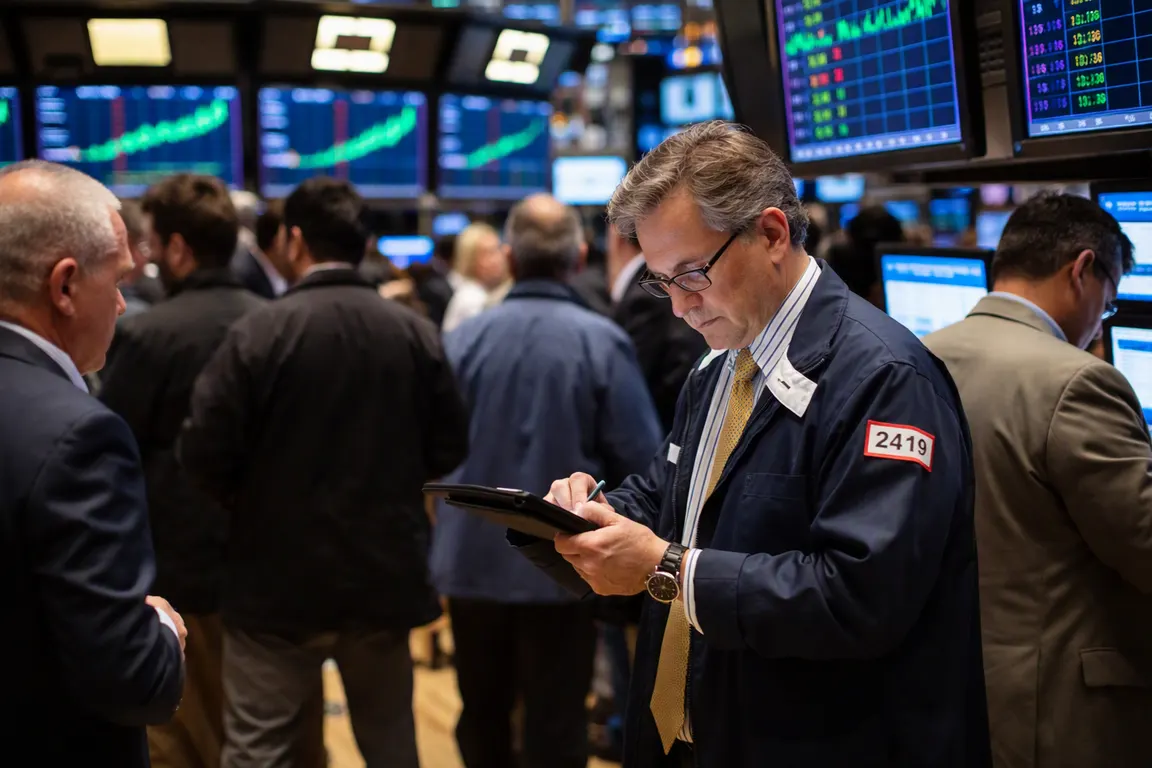
Wall Street closed modestly higher on Tuesday, with the S&P 500 up 0.46%, the Dow Jones 0.56% and the Nasdaq 0.45%. The gains came as crude oil prices slipped after the Energy Information Administration reported a 4.5 million‑barrel draw in commercial crude inventories and a 3 million‑barrel draw from the Strategic Petroleum Reserve. Refineries ran at about 98% capacity, keeping fuel supplies tight despite the price dip.
The US Services PMI for August rose to 56.5, the strongest reading since December 2024, while the composite PMI reached 56.0 – a 52‑month high. Economists say the data support a near‑term 3.0% annualised growth forecast for third‑quarter GDP, a welcome lift after a sluggish second quarter.
Service‑sector optimism is reflected in the ISM services PMI, which climbed to 55.4, its highest level since February 2026. The composite PMI’s 56.0 reading marks the best performance in more than four years, bolstering expectations for a solid Q3 expansion.
At the same time, Federal Reserve Governor Chris Waller warned that recent inflation data must improve before the central bank can consider holding rates steady at the upcoming FOMC meeting. His remarks nudged short‑term Treasury yields lower but underscored the Fed’s reluctance to declare the rebound durable.
Compounding the monetary‑policy caution, the Treasury announced on Aug. 19 an expansion of its nominal long‑end liquidity‑support buybacks, set to begin on Sep. 9. Officials described the program as a “jaw‑boning” exercise rather than a full‑scale quantitative‑easing effort. Analysts differ on whether the buybacks will meaningfully lower long‑term yields or simply signal the government’s willingness to intervene if market stress returns.
Financial‑market commentators, including Scott Bessent and Ed Dowd, flagged three emerging “white‑swan” risks: a slowdown in the housing market, a potential bust in AI‑related capital spending, and mounting financial strain in China. Each risk could pressure long‑end yields and complicate Treasury signaling.
North of the border, the Bank of Canada kept its policy rate at 2.25% for a seventh consecutive meeting, with Governor Tiff Macklem signaling a hawkish stance that could persist. The steady Canadian rate contrasts with the United States’ policy ambiguity but suggests borrowing costs could rise if inflationary pressures intensify.
For households, gasoline and diesel prices remain elevated despite the recent pullback, eroding disposable income and feeding broader inflation metrics. Service‑sector firms, while enjoying robust demand, warn that input‑cost headwinds from tariffs, Middle‑East tensions and supply‑chain delays could squeeze profit margins.
Investors are watching the equity rally and strong PMI data for clues about the economy’s trajectory, but they must also weigh the Treasury’s buyback program, the Fed’s cautious stance and the broader geopolitical and financial‑repression narratives that could reshape market expectations.
The next few weeks will test the durability of the current rebound. Upcoming August CPI figures and the Fed’s September meeting will reveal whether the central bank can afford to pause rate hikes. Simultaneously, the Treasury’s long‑end buybacks will begin, offering a concrete test of whether market signaling can offset the inflationary pressures that continue to loom over the U.S. economy.