

U.S. sanctions target Iran trade networks, add 60 entities
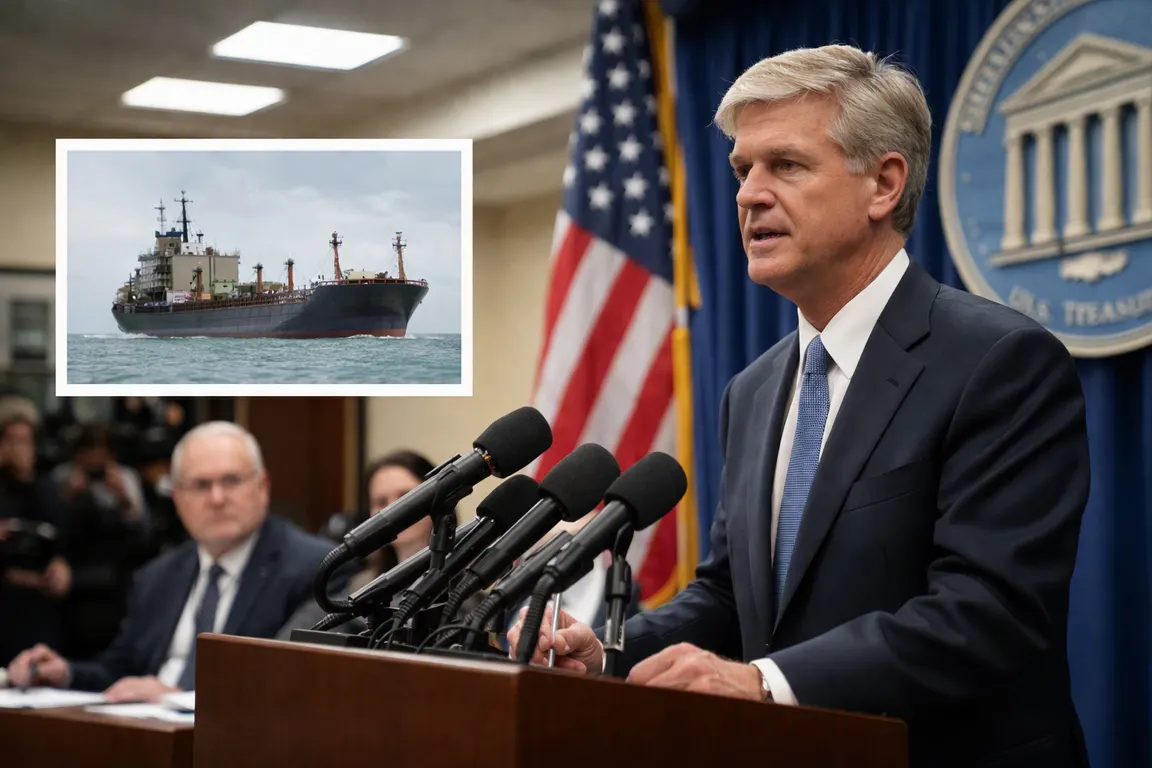
Treasury Secretary Scott Bessent announced a new round of secondary sanctions aimed at cutting off the remaining financial and logistical channels that sustain Iran’s war effort. The measures add 60 individuals, companies and vessels – many based in the United Arab Emirates, Hong Kong, China, Singapore and Europe – to a blacklist that bars them from the U.S. dollar system unless they stop facilitating Iranian trade.
The sanctions come as Iran’s oil flow through the Strait of Hormuz has fallen from roughly two million barrels a day before the conflict to about 400,000 barrels per day in mid‑August, according to data firm Kpler. By targeting cryptocurrency services, advanced semiconductors, gold trades, aviation fuel and maintenance, as well as vessels that transport Iranian oil or cargo, Washington hopes to choke the last sources of revenue for Tehran.
Entities that provide Iran with digital‑asset services, supply high‑tech components, trade in gold, or support its aviation sector now face secondary sanctions. Vessels flagged to the UAE, Singapore or European registries that move Iranian oil risk being designated as “blocked” and denied access to U.S. ports. The United States warned that any country that does not cooperate could share in Iran’s isolation, signaling possible penalties for governments that continue to engage with Tehran.
The list does not name specific Chinese banks, but it does include firms operating out of Hong Kong and mainland China, suggesting a broader sweep that could curb Chinese‑linked financing of Iranian oil. Gulf states, particularly the UAE and Oman, face a dilemma: they have long served as transshipment hubs for Iranian petroleum, yet a breach of U.S. rules could cut them off from the global financial system. Pakistan, whose army chief recently visited Tehran as a mediator, also risks exposure given its trade ties with Iran.
For ordinary Iranians, the impact will be immediate. Inflation has already surged as the war disrupted supply chains, and the loss of revenue from the newly sanctioned sectors could deepen shortages of food, medicine and fuel, raising the risk of unrest. Regional economies that depend on Iranian trade – from construction firms in the UAE to logistics companies in Europe – may see contracts disappear, leading to layoffs and revenue losses.
Analysts note that tighter sanctions could further constrain world oil supply. With Iran’s output already limited, a further dip in shipments could lift Brent crude by several dollars per barrel, though the exact effect remains uncertain.
Washington has not set a specific enforcement timeline, leaving firms to guess when penalties will take effect. Tehran’s new security chief has warned Gulf neighbours that supporting U.S. sanctions will make them “enemies,” hinting at possible retaliation. Diplomatic channels remain open, as shown by Pakistan’s mediation efforts and Oman’s scheduled talks with Tehran, but the sanctions signal a hardening U.S. stance that narrows the space for compromise.
The key question now is whether the secondary sanctions will succeed in starving Tehran of the resources it needs to sustain the war, or whether they will destabilize regional economies and inflame global energy markets. The outcome will shape the next phase of a conflict that has already spread far beyond the battlefield.