

U.S. sanctions on Iran’s energy and finance sectors
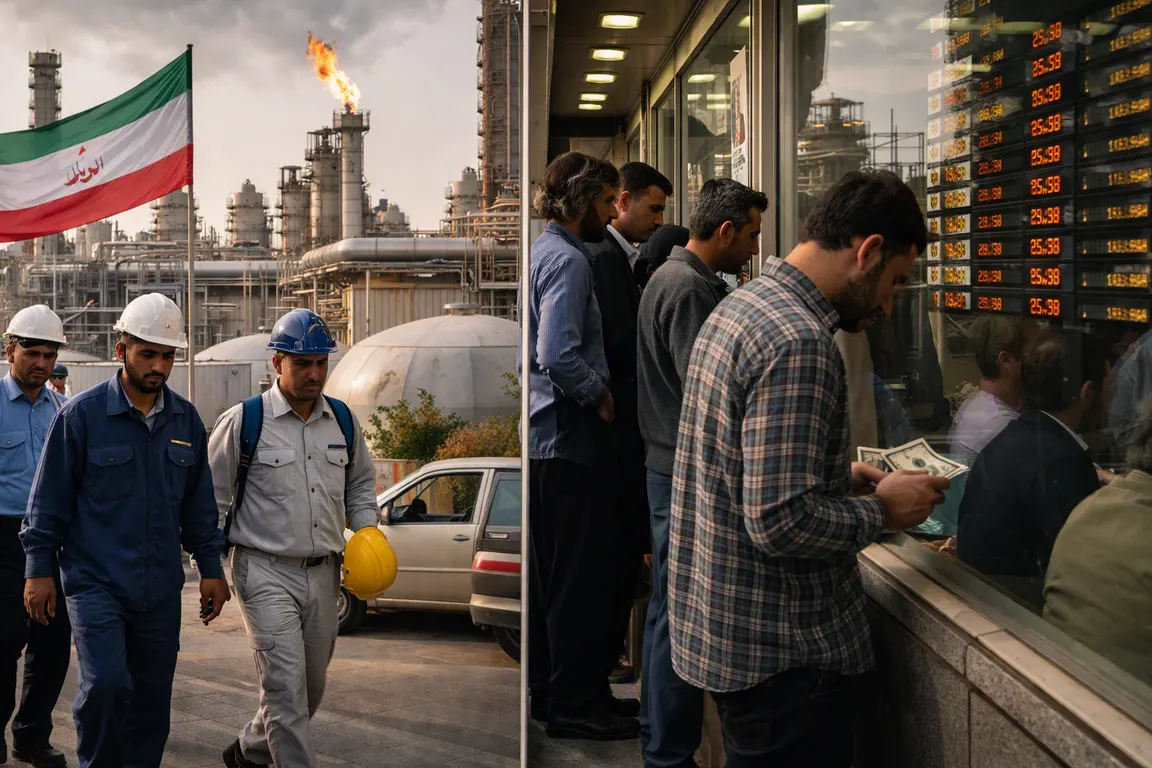
The Trump administration announced a new sanctions package, dubbed Operation Economic Outcast, on Tuesday. The measures tighten restrictions on entities that help Iran obtain foreign‑exchange and oil‑related revenues, aiming to pressure Tehran’s government. U.S. sanctions Iran’s energy and finance sectors as part of this effort.
Iran is already facing soaring food prices, chronic fuel shortages and a sharply depreciating rial after years of dwindling foreign‑exchange reserves. Analysts say the new sanctions could push millions more into poverty, even as they are unlikely to force the strategic concessions Washington seeks.
Decades of U.S. sanctions have forced Iran to develop workarounds. A World analysis notes that Tehran has built networks to evade previous measures, reducing the likelihood that additional pressure will change policy. The Guardian reports that household food inflation has accelerated, making basic staples unaffordable for many families. Closed petrol stations and empty grocery shelves are now common in Tehran and provincial cities.
Experts quoted by Al Jazeera argue that Operation Economic Outcast is unlikely to achieve its objectives. They point to Iran’s entrenched evasion networks and the regime’s historical resilience as evidence that further restrictions will have limited diplomatic leverage. The Guardian adds that the new sanctions are projected to deepen poverty, especially among low‑income households that already spend a large share of their income on food and transport.
The specific sectors targeted remain vague in public statements. Sources say the sanctions focus on entities that support Iran’s oil exports and its ability to conduct international banking transactions, but no concrete list of companies or individuals has been released. This lack of detail makes compliance assessment difficult for foreign businesses, while Iranian firms that depend on foreign exchange face an uncertain operating environment.
For ordinary Iranians, the impact is immediate. The rial has lost more than half its value against the dollar in the past year, eroding savings and making imported goods prohibitively expensive. Fuel shortages have forced drivers to queue for hours at the few remaining stations, and government subsidies are stretched thin. The Guardian estimates that the combination of currency collapse and food inflation could push about three million people below the poverty line.
Regional markets may feel secondary effects. Iran’s reduced oil‑export capacity could tighten supply in the Gulf and nudge crude prices upward, but analysts caution that the scale of the sanctions, without clear enforcement mechanisms, limits any predictable ripple through global markets.
U.S. officials say they will monitor the sanctions’ implementation and assess any humanitarian fallout, but they have not outlined contingency plans for relief. Tehran has neither confirmed nor denied a direct response, leaving the diplomatic calculus unresolved. As the sanctions take effect, the central question remains whether the policy will shift Tehran’s strategic behavior or simply deepen the hardship of a population already strained by years of economic isolation.