

U.S. sanctions and Gulf tensions lift fuel prices in Iran
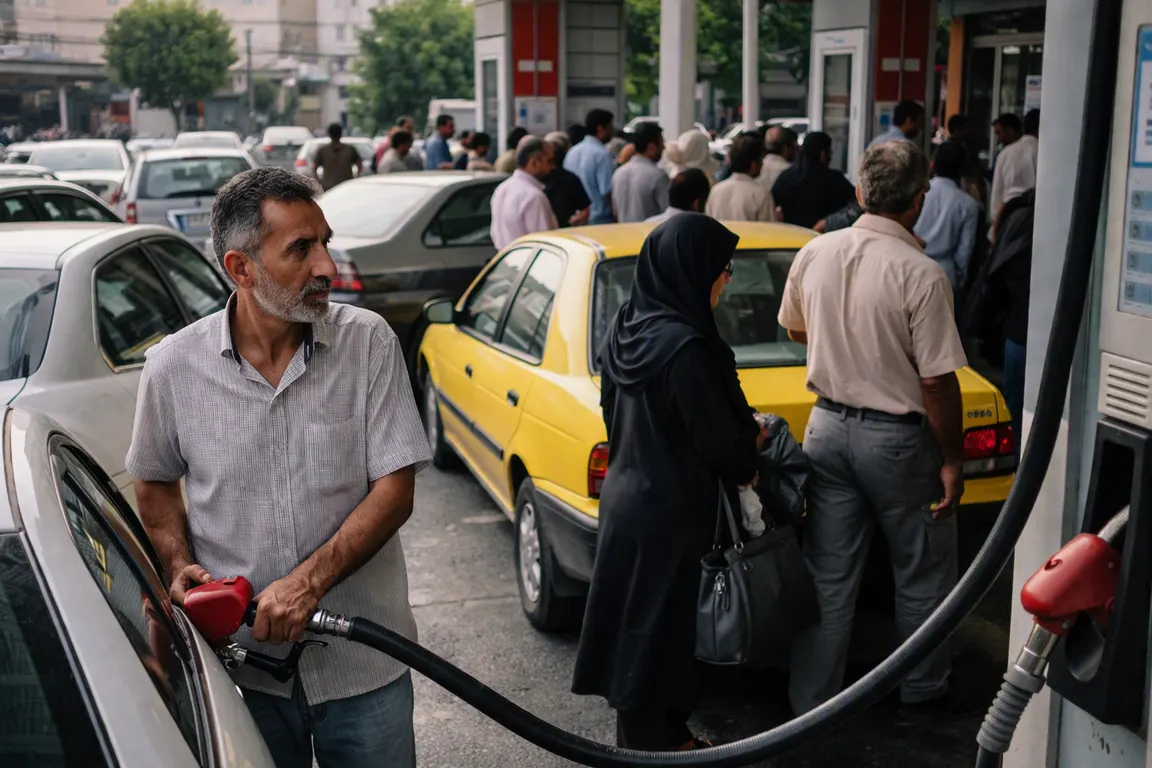
U.S. sanctions fuel prices are climbing as heightened naval activity in the Strait of Hormuz drives up gasoline costs in Tehran and across the United States.
On Aug. 28, Iranian President Masoud Pezeshkian announced a 100 percent increase in the subsidized gasoline quota, lifting the price from 5,000 to 10,000 tomans per litre. He described the move as a response to “war‑like” economic conditions, a change that could double household fuel expenses in Iran.
The same day, Iran’s parliament speaker, Mohammad Bagher Ghalibaf, warned that Gulf oil exporters must be allowed to ship “all or none,” linking regional security to the presence of U.S. naval forces in the Hormuz corridor.
In the United States, average pump prices have risen $1.25 per gallon – a 44 percent jump since Feb. 18, according to the American Automobile Association. The increase translates to roughly $15 more per typical fill‑up and an estimated $560 higher annual fuel cost for the average driver.
The price spikes reflect a convergence of sanctions, supply constraints and domestic policy choices. U.S. and Israeli measures against Iran over the past six months have targeted the country’s oil revenue. Treasury Secretary Scott Bessent announced a new round of sanctions the same week Pezeshkian raised prices, aiming to further choke Iran’s earnings.
At the same time, a U.S. naval campaign has limited traffic through the Strait of Hormuz, removing an estimated 10 million barrels per day from global supply, according to industry analysis. The supply shock is evident in the United States, where Iowa recorded the steepest state‑level increase – a 69.1 percent jump from $2.45 to $4.14 per gallon.
In Tehran, the quota hike coincides with a reported domestic shortfall of 14‑15 million litres per day, according to Iranian Energy Optimization head Esmaeil Saqab Esfahani. Opposition figures argue that long queues at pumps may reflect political messaging rather than a true shortage, noting that official statements downplay the deficit.
Ghalibaf’s “all‑or‑none” demand adds uncertainty. He insists that Gulf exporters must be permitted to ship without restriction, or else all Gulf states will be barred from exporting. Independent verification of Iran’s export facilities is limited, and the claim conflicts with U.S. statements that it retains control over the strait.
Higher fuel costs ripple beyond motorists. They raise input prices for plastics, pharmaceuticals and logistics, feeding broader inflation in both Iran and the United States. Washington policymakers face a trade‑off between maintaining pressure on Tehran and curbing domestic inflation. Options under discussion include targeted relief for low‑income drivers, a temporary pause on the most punitive sanctions, or diplomatic steps to reopen the Hormuz corridor.
In Iran, officials could consider additional subsidies or rationing to ease household burdens while seeking alternative revenue sources.
The situation remains fluid. While sanctions and naval actions are documented, the exact scale of Iran’s fuel deficit and the operational status of Gulf export terminals are still unclear. Ongoing data on refinery output, pump queues and global supply balances will determine whether the current price spikes are a short‑term shock or the start of a longer‑term shift in the global fuel market.