

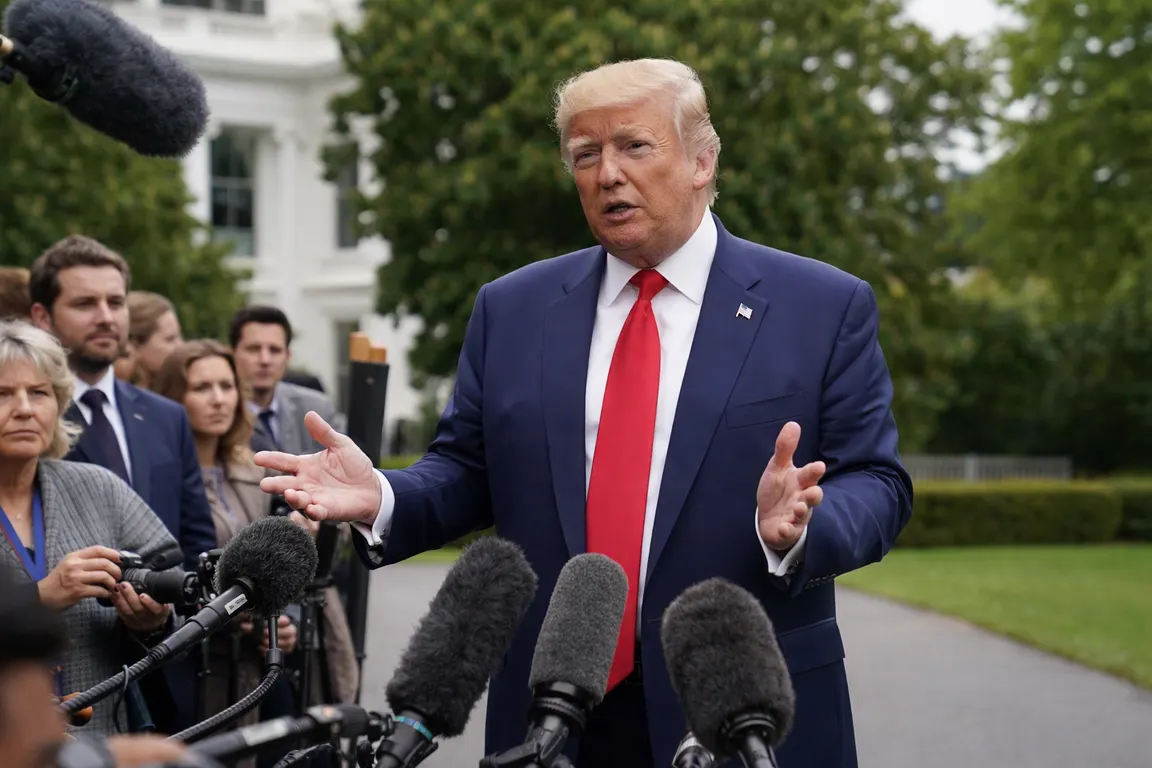
President Donald Trump told reporters the United States will not resume U.S. strike Iran midterms before the November 2024 midterm elections, adding that recent talks with Tehran were "productive." The comment came as oil and gas prices rose amid the ongoing Iran‑related conflict.
The pledge is intended to temper regional tensions that have already pushed energy markets higher and to signal to allies and investors that a major escalation is off the table ahead of a pivotal election. It does not accompany any new policy measures or a signed agreement, and the details of the discussions were not disclosed.
International Top News and Analysis, World and the Wall Street Journal all reported the remarks, but none provided information on who participated, what was discussed or any concrete next steps. Independent sources have not verified the claim that the talks were productive, and analysts note that public statements can be used to keep adversaries off‑balance.
Energy markets reacted quickly. Futures for Brent crude and U.S. West Texas Intermediate slipped modestly after the announcement, reflecting investor optimism that a short‑term de‑escalation could ease supply concerns. Nonetheless, analysts caution that the underlying conflict – including recent missile exchanges and naval incidents in the Strait of Hormuz – continues to drive price volatility, making the pledge a temporary reprieve at best.
From a security standpoint, the statement lowers the immediate risk of a U.S. strike, which could have placed both American service members and Iranian civilians in harm's way. Regional actors, including Israel and Gulf Cooperation Council states, welcomed the reduced likelihood of direct confrontation but stressed that lasting stability will require more than a verbal commitment.
Politically, the timing aligns with the midterm election calendar, a period when foreign‑policy positions can influence voter sentiment. Candidates on both sides of the aisle may cite the pledge to argue for a stronger or more restrained U.S. posture in the Middle East. The lack of a formal diplomatic framework, however, leaves open the possibility that Washington could alter its stance if circumstances on the ground shift.
Business leaders with exposure to Middle‑East oil supply chains are monitoring the rhetoric closely. A sudden reversal could trigger supply‑chain disruptions, while a sustained pause may encourage investment in alternative‑energy projects that have been delayed by price uncertainty.
The broader picture remains incomplete. While the president’s remarks set a clear temporal benchmark – the November midterms – they do not resolve the underlying disputes that have fueled the current escalation. Observers will watch for follow‑up communication from the State Department, the Iranian foreign ministry or other diplomatic channels that might clarify the substance of the "productive" talks.
As the election approaches, the United States faces a choice between maintaining the current verbal restraint and responding to any new provocations that could arise. The next public statements from Washington and Tehran will likely shape market expectations and regional security calculations in the weeks ahead.