

U.S.-Israel Iran Air Strikes Reach Six Months, Thousands
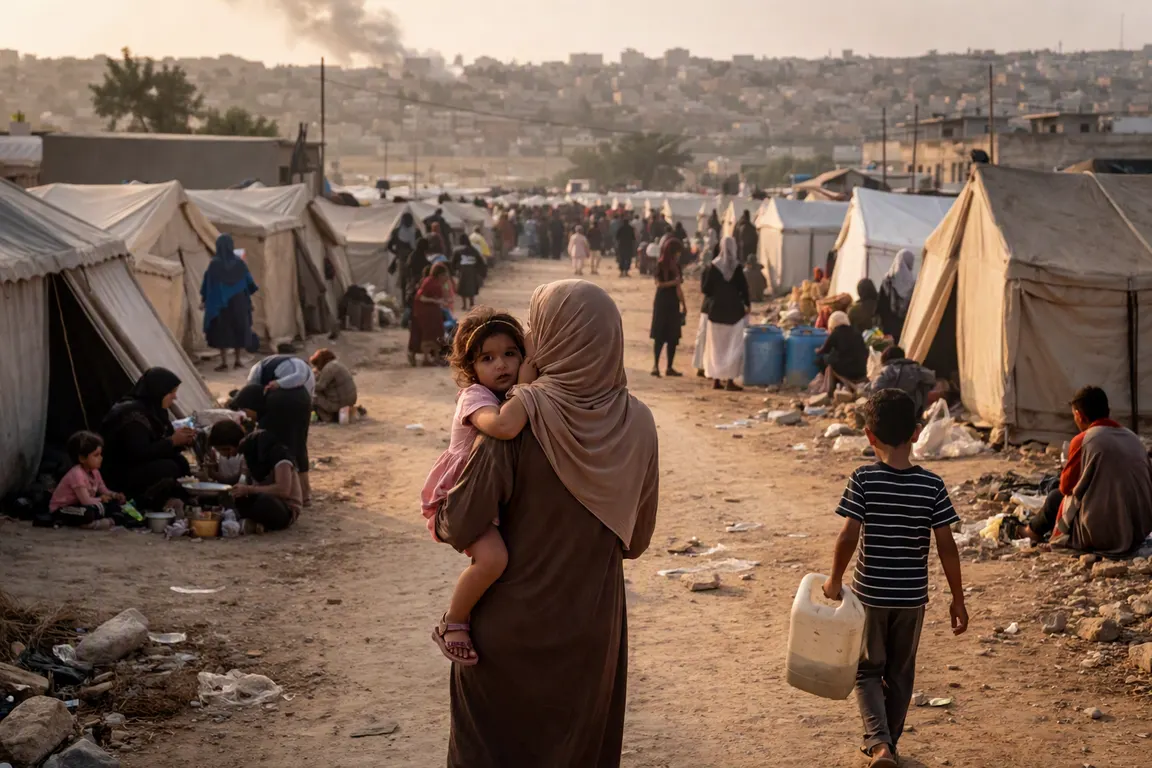
The United States and Israel entered their sixth month of U.S.-Israel Iran air strikes in late July, with the death toll nearing 8,000 and millions forced from their homes. No cease‑fire or peace talks have emerged, and the administration’s stated goals – degrading Iran’s missile force, curbing its regional influence and pressuring Tehran to negotiate – remain unmet.
Humanitarian conditions have deteriorated sharply. Families in Tehran, Mashhad and smaller towns are sheltering in makeshift camps as hospitals grapple with shortages of medicine, electricity and staff. The United Nations has not released precise displacement figures, but estimates suggest several million people are now internally displaced.
The conflict is also reverberating through global energy markets. Oil prices have risen sharply since the campaign began, pushing gasoline and consumer‑good costs higher worldwide. The price surge is feeding broader inflation pressures, sparking public frustration in the United States where fuel costs have climbed noticeably.
Domestic political fallout is growing. Recent polling shows a decline in public approval of President Trump’s handling of the war, driven largely by rising living‑cost concerns. Lawmakers from both parties are demanding clearer metrics of success and a reassessment of the military strategy.
U.S. officials originally outlined three objectives: destroy Iran’s missile infrastructure, weaken its proxy networks and force Tehran to the negotiating table. Satellite imagery and on‑the‑ground reports indicate many missile sites remain operational, and Iranian‑backed groups continue to function across the region. Analysts say the air campaign has produced limited strategic effect while exacting a heavy humanitarian and economic toll.
The path to de‑escalation remains uncertain. No formal diplomatic channel has opened, and Tehran has not signaled willingness to negotiate. Experts argue that a credible exit would require either a negotiated settlement that addresses U.S. security concerns or a calibrated reduction in strikes to limit civilian casualties.
Congressional hearings are slated for the coming weeks, and public pressure over soaring fuel prices is mounting. Whether these forces will prompt a shift in policy or simply reshape the United States’ approach to the conflict is unclear. What is certain is that the stakes – measured in lives lost, families displaced and global economic stability – continue to rise as the war drags beyond the half‑year mark.