

U.S.–Iran talks hint at possible Hormuz reopening
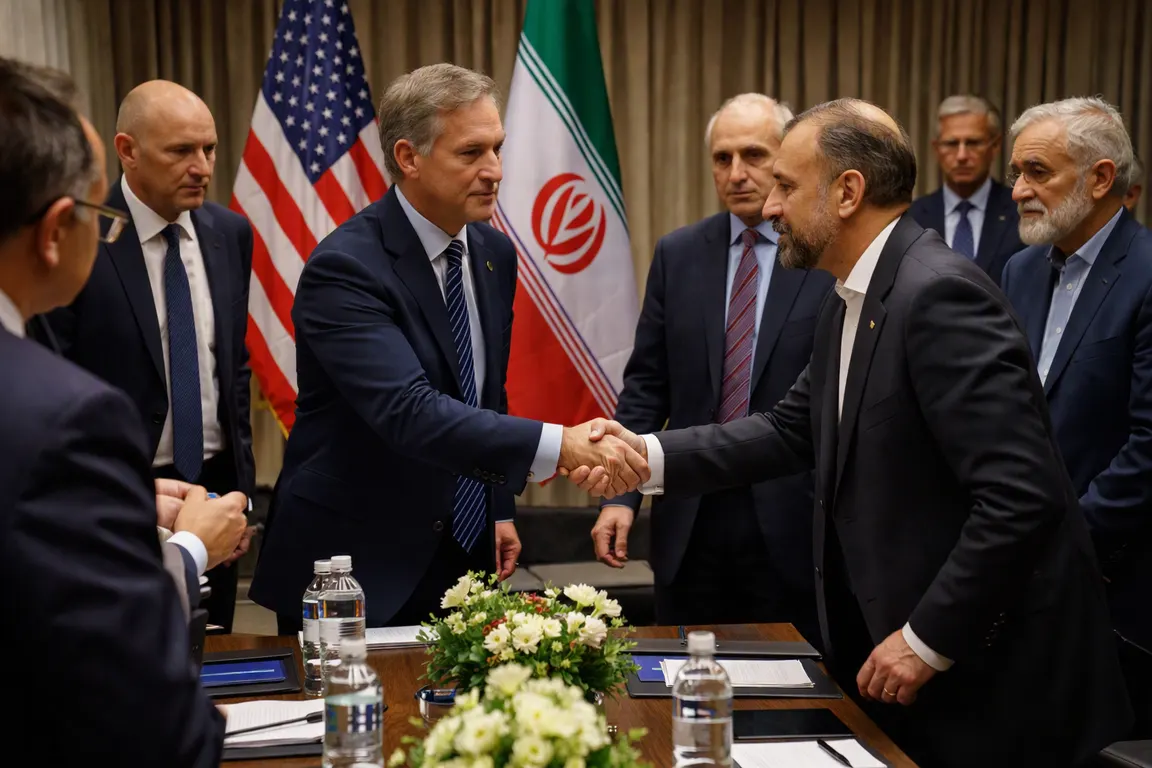
U.S. special envoy Steve Witkoff met senior Iranian officials on the sidelines of the United Nations General Assembly in New York Tuesday, a three‑hour dialogue that President Donald Trump described as “very good.” The encounter raised the prospect of Hormuz reopening talks, suggesting Washington could ease pressure on Tehran in exchange for the Strait of Hormuz returning to normal traffic.
The Hormuz waterway is a critical artery for global energy markets. Any disruption can lift crude prices and ripple through the world economy. A credible diplomatic opening, even without a formal agreement, could lower insurance costs for tankers and reduce the risk premium baked into oil futures.
Witkoff led the U.S. delegation; the Iranian participants were not identified. Trump praised the talks publicly, saying a follow‑up discussion would be arranged soon and linking the dialogue to a potential Iranian decision to restore normal traffic if U.S. pressure eases. No official statement from Iran or any concrete policy shift was announced.
Tensions in the Gulf have risen since the United States intensified sanctions on Iran’s nuclear program, prompting Tehran to threaten restrictions on shipping. Past closures of the strait have sparked brief spikes in Brent and WTI crude, underscoring its strategic weight.
Regional actors are watching closely. Gulf Cooperation Council states, whose economies benefit from transit fees, have warned against concessions that could embolden Tehran. Israel, which views Iran as a security threat, has not commented publicly but continues to monitor any shift in U.S. policy.
Analysts note that a three‑hour informal session is unusually long; most UN‑side exchanges last only minutes. The duration suggests substantive dialogue, but without disclosed details the outcome remains speculative. Trump’s “very good” characterization reflects political framing rather than a concrete policy change.
If Washington were to relax sanctions or otherwise reduce pressure, Tehran could see a pathway to reopen Hormuz, easing the choke‑point risk that has haunted markets since 2019. Conversely, Tehran could use any easing of pressure to extract concessions in other areas, such as nuclear negotiations.
The White House says a follow‑up meeting is planned in the near future. Observers will look for official statements, changes in sanction enforcement, or signals from Iranian authorities that the strait may be unsealed. Until such indicators emerge, Hormuz remains a flashpoint, and the global oil market will continue to price in uncertainty surrounding U.S.–Iran diplomatic overtures.