

U.S. gasoline prices hit decade high amid Iran conflict
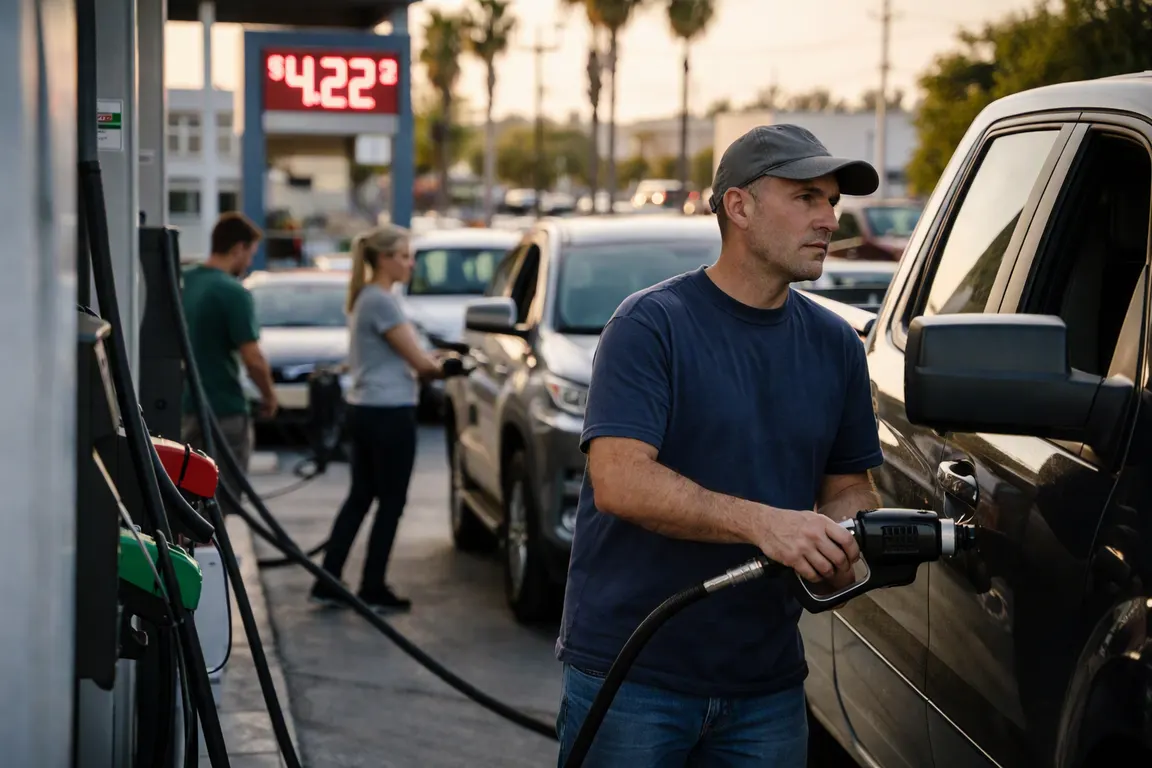
U.S. gasoline prices have surged to their highest level in more than a decade, a trend that coincides with the ongoing U.S.-Iran conflict and President Donald Trump’s suggestion that hostilities will end after the November midterm elections.
Regular gasoline now averages $4.22 a gallon, about $1 higher than a year ago, while diesel is $5.94 per gallon. Brent crude broke the $100‑per‑barrel barrier for the first time since July, and the U.S. West Texas Intermediate benchmark hovers near $96. At the same time, the Strategic Petroleum Reserve fell below 300 million barrels in early August, a drop of more than 100 million barrels since the start of the year, limiting the government’s ability to cushion future supply shocks.
Trump told reporters the conflict with Iran would conclude “immediately after” the November elections, a comment reported by multiple outlets, including NBC, the BBC, Al Jazeera and the Wall Street Journal. The Manila Times noted the president’s remark that Iran’s attempts to influence the vote are driving the war. Vice President JD Vance, however, stopped short of setting a timeline, highlighting a split between the president’s public statements and the administration’s official position. No independent verification exists that the war will end after the elections; the claim remains a political projection.
U.S. military actions have added to market nervousness. In recent days, American forces reported striking five Iranian tankers after attempted missile attacks on a Navy warship. At the same time, Iranian‑backed Houthi rebels set fire to Saudi oil facilities, tightening global supply further. The combination of direct combat and regional disruptions has left oil markets highly sensitive to any escalation, prompting investors to hedge against further price spikes.
The price surge is straining household budgets already squeezed by inflation. Diesel‑dependent sectors—shipping, freight, agriculture—face higher operating costs that are likely to be passed on to consumers. Airlines have begun cutting routes and raising fares as jet‑fuel prices climb, adding another expense for travelers.
Analysts outline several possible scenarios. A swift diplomatic de‑escalation could end hostilities before the elections, but recent strikes and Houthi attacks suggest the risk of further escalation remains. A prolonged stalemate would keep oil markets under pressure well beyond the November vote, especially if the United States maintains a high operational tempo in the Persian Gulf.
Traders have priced in the expectation of continued price support until after the midterms, a sentiment reflected in the sustained premium on Brent and U.S. crude. Investors are watching both the political calendar and any shifts in military strategy for clues about future price movements.
The administration’s next step will be to articulate concrete measures to curb fuel costs, such as targeted releases from the SPR or coordinated diplomatic outreach to de‑escalate regional tensions. Until such actions are announced, households and businesses will continue to navigate a market defined as much by political forecasts as by battlefield developments.