

U.S. Customs Blocks $1 Billion in Canadian Imports
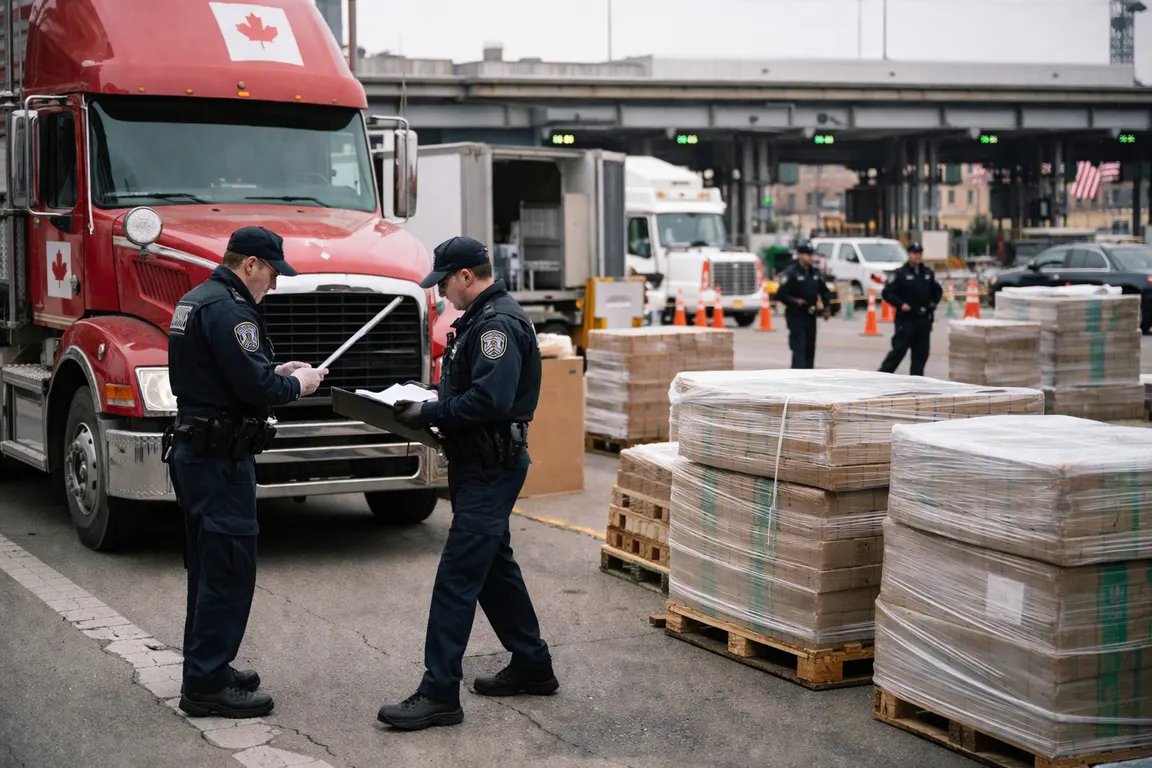
U.S. Customs and Border Protection began enforcing import restrictions on Canadian goods today, blocking roughly $1 billion in shipments, officials said. The move, announced by the Trump administration, is the first concrete enforcement step in a second‑term trade dispute that has centered on dairy, alcohol and automotive products.
The restrictions have immediate supply‑chain implications. While the New York Post notes the ban is narrower than the broad categories often cited in public debate, customs officials have not released a detailed product list. Retailers, manufacturers and logistics firms are scrambling to determine which shipments are affected and how to adjust operations.
The enforcement follows weeks of heightened tension in trade talks. President Donald Trump has said he expects Ottawa to concede to U.S. demands within weeks, a claim reported by International: Top News And Analysis. Canadian officials have pushed back, saying they will not sign a deal they consider “bad.” The clash underscores the political backdrop to a policy shift that will be felt on grocery shelves and factory floors.
U.S. consumers could see shortages or higher prices for items previously sourced from Canada. Because the restriction covers a substantial $1 billion in trade, even a partial blockage could ripple through dairy, wine and automotive parts, though the exact products remain unspecified. Retailers that rely on cross‑border supply chains are likely to seek alternative sources, a process that can raise costs and delay deliveries.
For Canadian exporters, the loss of market access translates into revenue shortfalls and potential job cuts. Industry groups warn that firms in the affected sectors could see a sharp decline in sales, prompting some to consider scaling back production or shifting focus to other markets. Border‑crossing logistics companies also stand to lose traffic as fewer trucks and trains are cleared for the restricted goods.
The enforcement mechanism is a customs rule that blocks identified imports at the border. Because the rule does not enumerate specific products, businesses must work with customs brokers and legal counsel to determine whether their shipments fall under the ban. No timeline has been announced for how long the restrictions will remain in place, leaving companies uncertain about long‑term planning.
Negotiations continue behind the scenes, but no settlement date has been set. Analysts say the enforcement step could pressure Ottawa to return to the table, yet Canada’s stance that it will not accept a “bad” deal suggests any compromise will require concessions from both sides. Until a formal agreement is reached, the restrictions are expected to stay in effect.
The next concrete development will likely be a clarification from U.S. Customs and Border Protection on the exact categories of goods blocked, followed by any legal challenges filed by affected businesses. In the meantime, shoppers may encounter empty shelves, and firms on both sides of the border will have to navigate a new, uncertain trade environment.