

U.S. Takes Control of Venezuelan Oil, Sovereignty Concerns
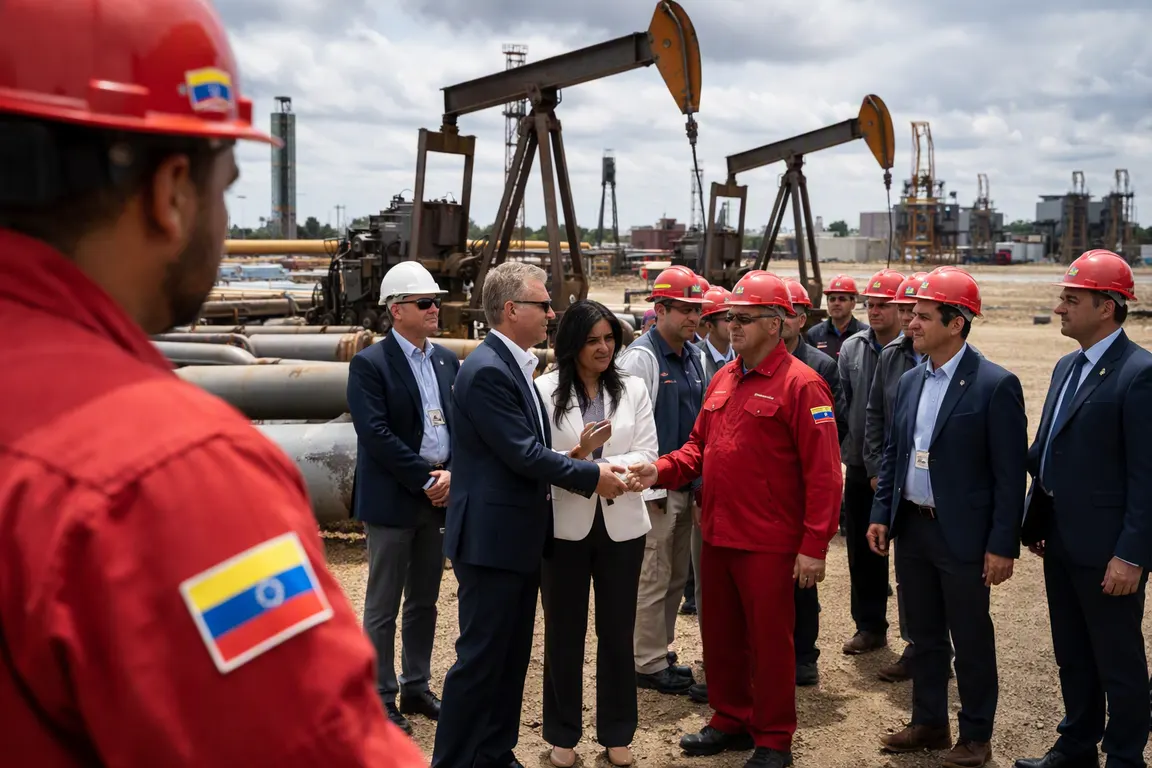
Washington announced that U.S. entities will assume operational control of an estimated 65 billion barrels of Venezuelan crude under a new agreement. Interim President Delcy Rodríguez defended the deal on Saturday, saying it leaves "Venezuelan ownership" of the oil intact while promising "endless" benefits for the country.
The arrangement, described by former President Donald Trump as the largest oil transaction in history, comes as Venezuela’s economy teeters on the brink of collapse and U.S. sanctions continue to choke its oil sector. No official U.S. documents detailing the terms have been released, and the legal basis for allowing U.S. firms to manage production, transport or profit sharing remains unclear.
Rodríguez, who assumed interim power in January 2024 after the removal of President Nicolás Maduro—a claim linked to U.S. involvement but not independently verified—used a televised broadcast to argue that the agreement does not transfer ownership of the reserves. Critics in Caracas say ceding operational control threatens the nation’s sovereign rights to a strategic asset.
Legal analysts note that existing U.S. sanctions prohibit most transactions involving Venezuelan oil. Without a clear legislative or executive exemption, the deal’s compliance with sanction law is uncertain, opening the door to legal challenges in both U.S. and international courts.
For U.S. stakeholders, the potential upside is significant. Access to a reserve of this size could lower procurement costs for the Department of Defense and provide a strategic fuel source for military operations. Private energy firms could also benefit from downstream opportunities if the agreement includes production or marketing rights. The precise allocation of rights—whether full ownership, production‑only rights, or a profit‑sharing arrangement—has not been disclosed.
Regional oil markets are likely to feel the ripple effects. An influx of U.S.-controlled Venezuelan crude could increase supply to North America, potentially depressing global oil prices and altering competitive dynamics for neighboring producers such as Brazil and Colombia. Those countries have already expressed concern that a U.S.-centric flow of Venezuelan oil might shift regional trade patterns and erode their market share.
For ordinary Venezuelans, any economic relief hinges on whether revenue generated by the deal will be directed to public services or captured by elite interests. Hyperinflation and chronic shortages mean that even modest inflows of foreign currency could have a measurable impact, but the absence of a transparent revenue‑sharing framework makes those outcomes speculative.
The next critical step is formal clarification from the United States. Until the administration releases official documentation or a legislative framework, the deal remains shrouded in ambiguity. Venezuelan lawmakers and civil‑society groups have called for an urgent review of the contract’s compatibility with the nation’s constitution and international law, which protect a state’s right to its natural resources. The coming weeks are likely to see heightened diplomatic activity as Caracas, Washington and regional actors negotiate the legal and economic parameters of what could become a landmark, if contested, energy partnership.