

U.S.-China Trade Truce Extended, Core Disputes Remain
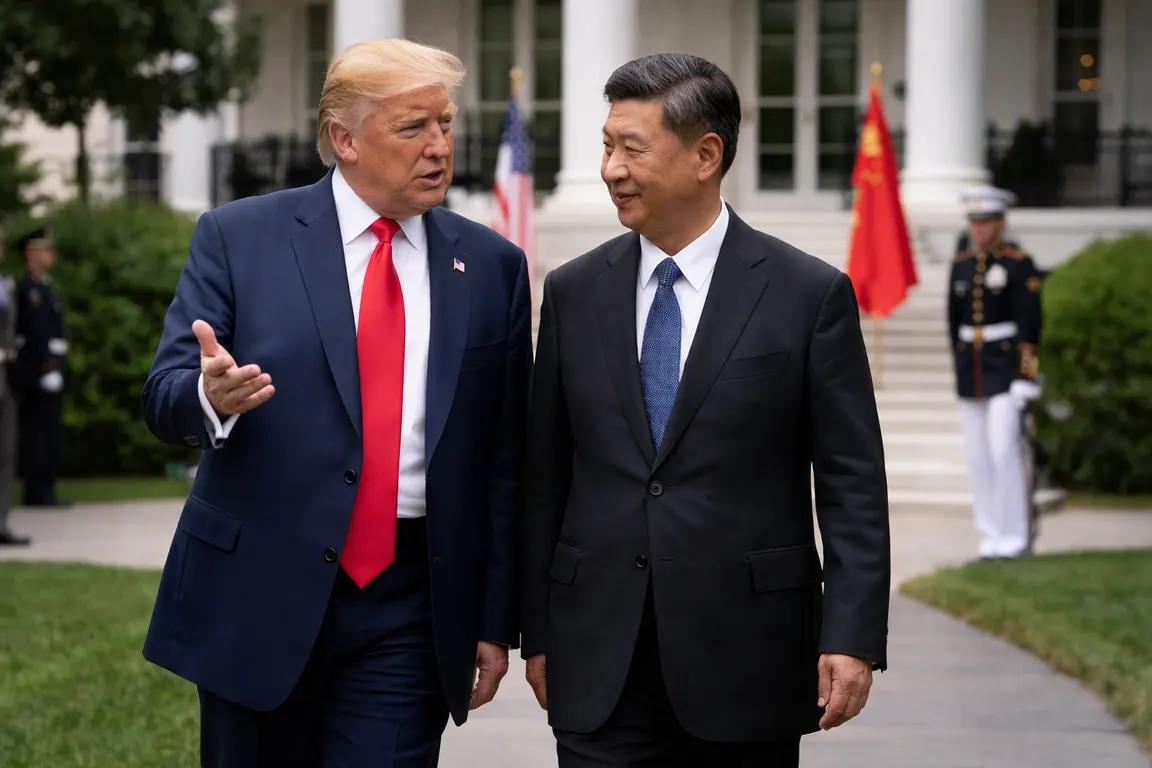
President Donald Trump and Chinese President Xi Jinping met on the White House South Lawn and agreed to extend the U.S.-China trade truce for roughly two months, pushing the deadline from Nov. 10 to early January. The leaders also discussed creating a notification system for artificial‑intelligence incidents, a tentative step toward coordination in a field where missteps could have rapid, cross‑border effects.
The extension buys manufacturers and investors a short window of stability, but it does not address the most contentious issues between the two powers. Talks on Taiwan arms sales, semiconductor export controls and the Iran‑Israel conflict produced no concrete outcomes.
During the ceremony, a new helicopter pad was installed on the South Lawn, a military review was staged, and a state dinner hosted U.S. tech CEOs including Jeff Bezos, Jensen Huang and Elon Musk. No Chinese business leaders were invited, underscoring the event’s symbolic rather than substantive focus.
Xi told reporters that U.S. and Chinese interests are "deeply intertwined" and warned against the "Thucydides trap," but he offered no concession on Beijing’s demand that Washington halt arms sales to Taiwan. Trump has not confirmed whether the $14 billion weapons package for Taiwan will proceed, leaving Taiwanese defense firms in limbo and keeping regional security analysts uncertain.
Semiconductor discussions were limited to general language, offering no sign of a shift in U.S. policy that already restricts Chinese access to advanced chips. Likewise, the dialogue on Iran produced no actionable plan. Xi reiterated China’s support for a return to the interim Iran‑U.S. agreement reached in summer 2023, aligning with Beijing’s broader call for de‑escalation in the Israel‑Iran confrontation, but the war‑zone dynamics that affect global energy markets remain unchanged.
Media reactions varied. Al Jazeera and NBC framed the summit as a reaffirmation of friendship, while the Wall Street Journal and Manila Times highlighted the ceremony‑heavy nature and limited policy results. Details of the AI notification proposal also differed across reports, and no official readout has been released.
The trade‑truce extension offers a brief period of predictability for firms that rely on cross‑border shipments of goods and components. However, unresolved disputes over Taiwan, high‑tech exports and Iran keep the risk of sudden policy shifts alive. Investors in semiconductor companies and defense contractors will be watching for any indication that the United States will tighten or relax export controls in the coming weeks.
The next steps appear to be quiet diplomatic follow‑ups. Chinese officials have signaled willingness to meet finance ministers on the AI notification system, and both capitals are expected to exchange further diplomatic notes before the truce expires. Whether those discussions will produce binding agreements or merely preserve the status quo remains the key unanswered question.