

U.S.–China tariff truce extended, panda loan announced
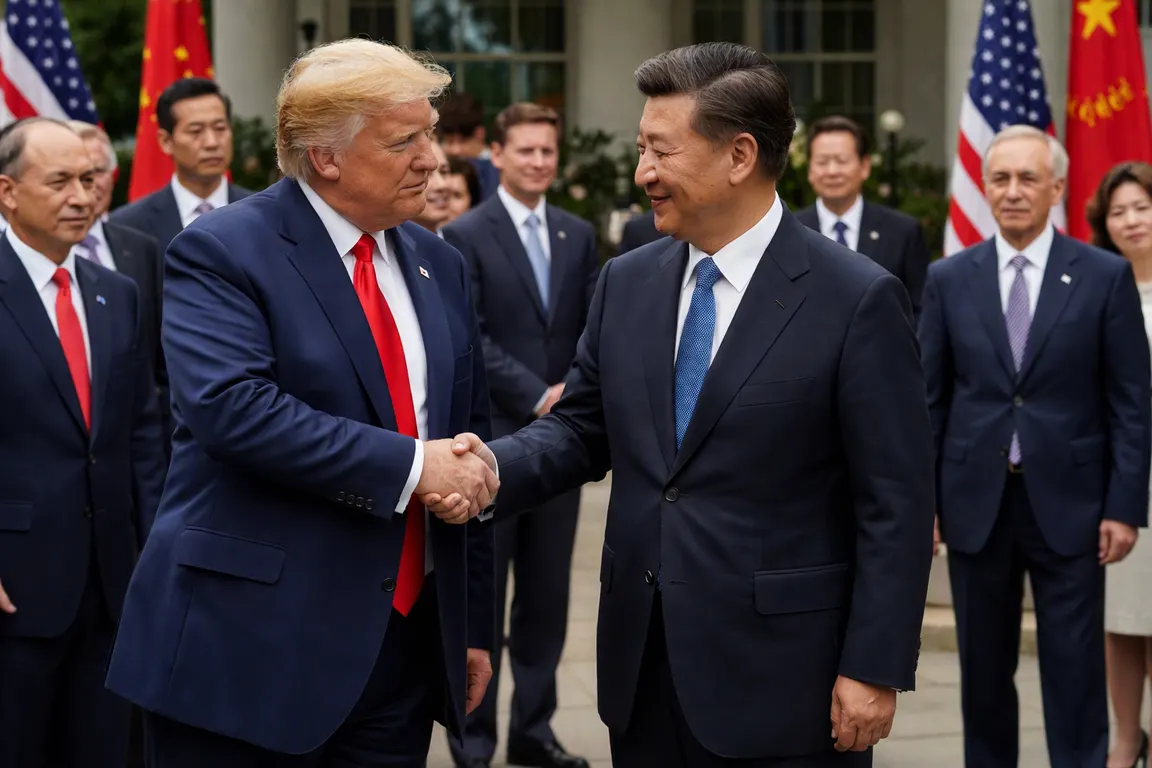
President Donald Trump and Chinese President Xi Jinping wrapped up a two‑day White House summit on Sept. 26 with a two‑month extension of the existing U.S.–China tariff truce and the announcement of a panda loan to Zoo Atlanta. No major policy shifts were announced.
The extension keeps the 23 percent tariff on Chinese imports in place until Jan. 10, 2027, providing short‑term certainty for exporters in both countries. By comparison, the average tariff on other trading partners hovers around 7 percent.
The summit began with bilateral talks in the Oval Office on Thursday and ended with a state dinner on Friday. Senior executives from Nvidia, AMD and OpenAI attended on the U.S. side, while the Chinese delegation consisted of government officials and did not include corporate CEOs.
In a symbolic gesture, China said it would loan two giant pandas, Ping Ping and Fu Shuang, to Zoo Atlanta. The move, often described as “panda diplomacy,” underscored the largely ceremonial nature of the talks.
Xi also urged Trump to “adhere to the correct position of opposing Taiwan independence,” a subtle shift in language that could influence future U.S. policy toward the island. The appeal came as a $14 billion weapons package for Taiwan remains pending in the Trump administration.
Analysts say the tariff‑truce extension eases market volatility for commodities and manufactured goods, but it does little to address deeper issues such as semiconductor supply chains. Any change in U.S. policy toward Taiwan could disrupt chip production and pricing worldwide, a concern that investors are watching closely.
The broader geopolitical context includes the Russia‑Ukraine war, tensions in the Gulf and growing concerns about AI‑driven hybrid warfare. Those external pressures likely limited both sides’ appetite for deeper concessions.
Unresolved questions remain. It is unclear whether the United States will modify its Taiwan stance in response to Xi’s request, and the fate of the pending weapons package is still uncertain. Both issues have direct implications for regional security calculations in Japan, South Korea and Taiwan.
As the extended truce approaches its new expiry date, market participants and policymakers will be watching for any further signals from Washington and Beijing, while the gap between diplomatic rhetoric and concrete action remains evident.