

U.S.-China tariff truce extended to Jan. 10 as Xi visits
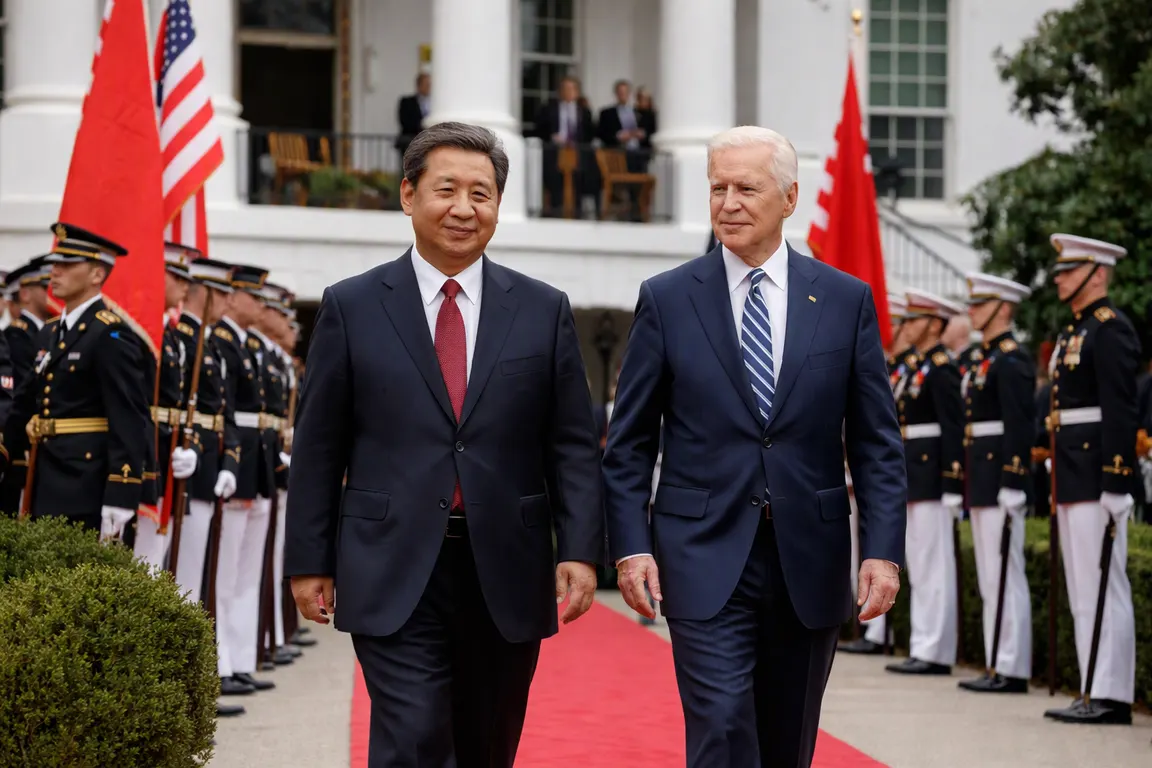
The Treasury announced Tuesday that the U.S.-China tariff truce has been extended through Jan. 10, 2024, giving both sides a two‑month pause from new duties as Chinese President Xi Jinping arrives in Washington for a state visit.
The extension halts a slate of tariffs slated to take effect under the 2018‑2020 trade dispute framework. By postponing those measures for another 60 days, the deal shields supply chains from sudden cost spikes, eases pressure on consumer prices and steadies market sentiment while businesses adjust contracts and inventory ahead of the next round of talks.
The original truce was set to expire in November 2023. Treasury official Katherine Bessent said the United States needed additional time for Beijing to meet deliverables outlined in the 2020 agreement. While the specific obligations were not disclosed, the extension is framed as an opportunity for China to comply with the conditions that underlie the tariff pause. No new duties will be imposed on the covered goods during the extension, preserving the status quo for a broad list that includes electronics, apparel and certain agricultural products.
For U.S. importers and manufacturers that rely on Chinese components, the two‑month window averts the abrupt price increases that would have accompanied reinstated tariffs. Small‑business supply‑chain managers can use the extra time to renegotiate terms, adjust inventory levels and lock in pricing before any future shock. Chinese exporters also gain a brief reprieve, allowing them to fulfill existing orders without the threat of immediate cancellations that often follow tariff announcements.
Financial markets have already shown modest easing of volatility in sectors tied to trade exposure. Traders cite the extension as a factor in stabilizing commodity prices and tempering the sharp swings that have characterized recent weeks of U.S.-China tension. Analysts note, however, that the benefit is limited to the duration of the truce; once Jan. 10 arrives, the risk of renewed tariffs could reignite price pressures and supply‑chain disruptions.
Xi’s state visit marks the first time in more than a year that the Chinese leader has set foot in the United States. The two leaders are expected to discuss a range of issues beyond trade, including technology restrictions and regional security. While the truce does not resolve the underlying disagreements that sparked the 2018‑2020 dispute, it provides short‑term breathing room for policymakers to assess progress on the deliverables and consider next steps.
Looking ahead, Jan. 10 will serve as a litmus test for both sides. If Beijing meets the required commitments, Washington could consider further extensions or a gradual rollback of remaining duties. If the deliverables fall short, the United States may move to re‑impose the suspended tariffs, a scenario that could ripple through import‑dependent industries and raise consumer prices.
Stakeholders are watching closely for any signals from the White House or the Treasury in the weeks leading up to the deadline. The next public briefing from the Treasury or a joint statement from the two governments is likely to outline the path forward. Until then, the extended truce remains the only guarantee of tariff stability for the coming two months.