

U.S.-China tariff cut lists target $60 Billion in trade
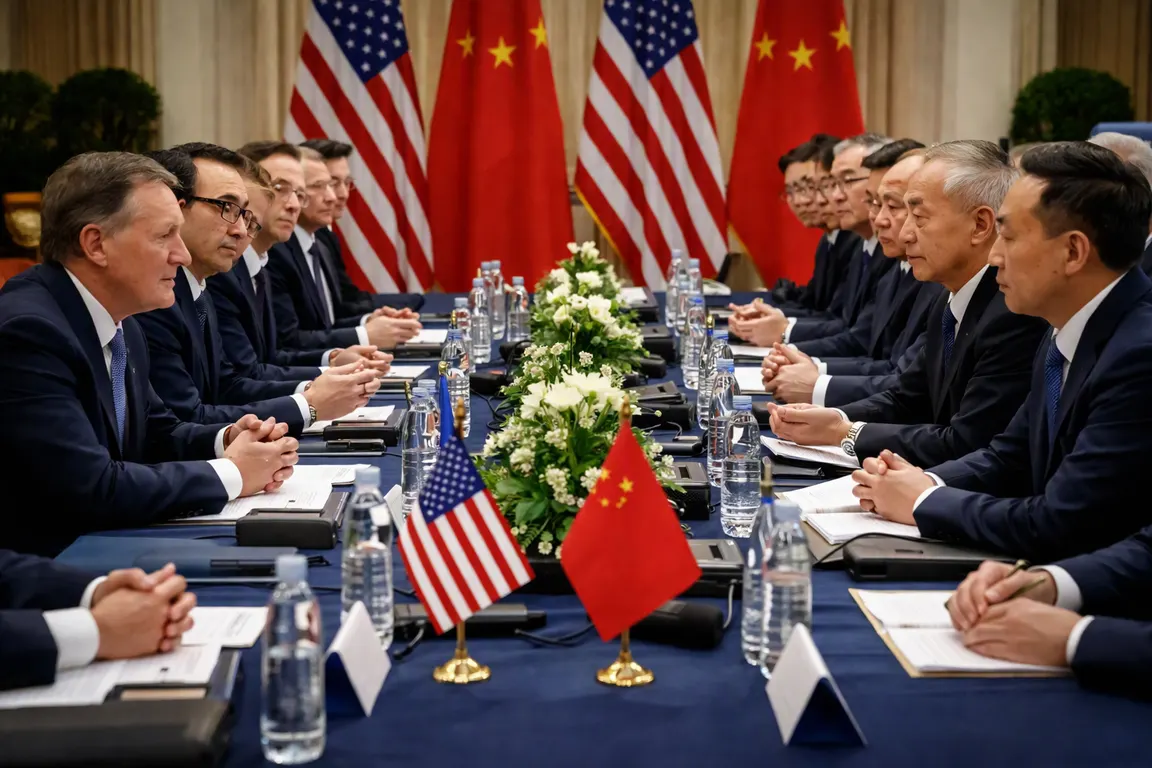
The White House on May 26 released two product lists that could cut tariffs on roughly $30 billion of Chinese exports and $30 billion of U.S. goods, marking the most concrete step yet in de‑escalating the trade dispute between the United States and China. The lists follow President Trump’s meeting with President Xi Jinping in Washington on May 24‑25 and expand the 2023 trade truce that was set to expire in November 2024.
Both sides describe the items as “non‑sensitive,” meaning they are not linked to security or political restrictions. By naming specific products, the governments aim to translate diplomatic overtures into measurable market access for everyday consumer and agricultural items before the truce ends on Jan. 10, 2025.
The U.S. list includes 77 categories of Chinese products, ranging from fireworks and Christmas ornaments to household goods, sports equipment and toys. The Chinese list is broader, with more than 1,600 U.S. product categories, including beef, pork, poultry, seafood, grains, dairy, whiskey, coal and timber. The inclusion of farm‑gate meat and dairy underscores the importance of agricultural exports in the bilateral relationship.
The agreement is framed as reciprocal and subject to review, but neither Washington nor Beijing disclosed exact rate reductions or implementation timelines. The White House called the lists “recommendations,” indicating that formal tariff adjustments will require further regulatory steps. Treasury Secretary Scott Bessent confirmed that the truce has been extended to Jan. 10, 2025, giving both governments a window to finalize the cuts.
A notable element of the Chinese list is a pledge to import at least 10 million metric tons of U.S. coal in 2027‑2028. While the commitment lies several years out, it could provide a market for U.S. coal producers and affect global coal trade dynamics.
For U.S. farmers, lower tariffs on beef, pork, dairy and grain could boost export volumes and stabilize farm‑gate prices. Chinese manufacturers of toys, sports gear and holiday décor may gain a cost advantage that could be passed on to consumers as modest price reductions. Retailers and logistics firms will need to adjust sourcing strategies once the cuts are codified, affecting inventory planning and pricing decisions across multiple categories.
The next step is a formal review by the Office of the United States Trade Representative and its Chinese counterpart. Both sides have said the lists will be revisited, but no timetable has been set for when the tariff reductions will become legally binding. Analysts will watch for regulatory filings that clarify the pace of implementation and any conditions that could halt or reverse the cuts.