

U.S. blockade halts Iranian tankers as Hormuz attacks rise
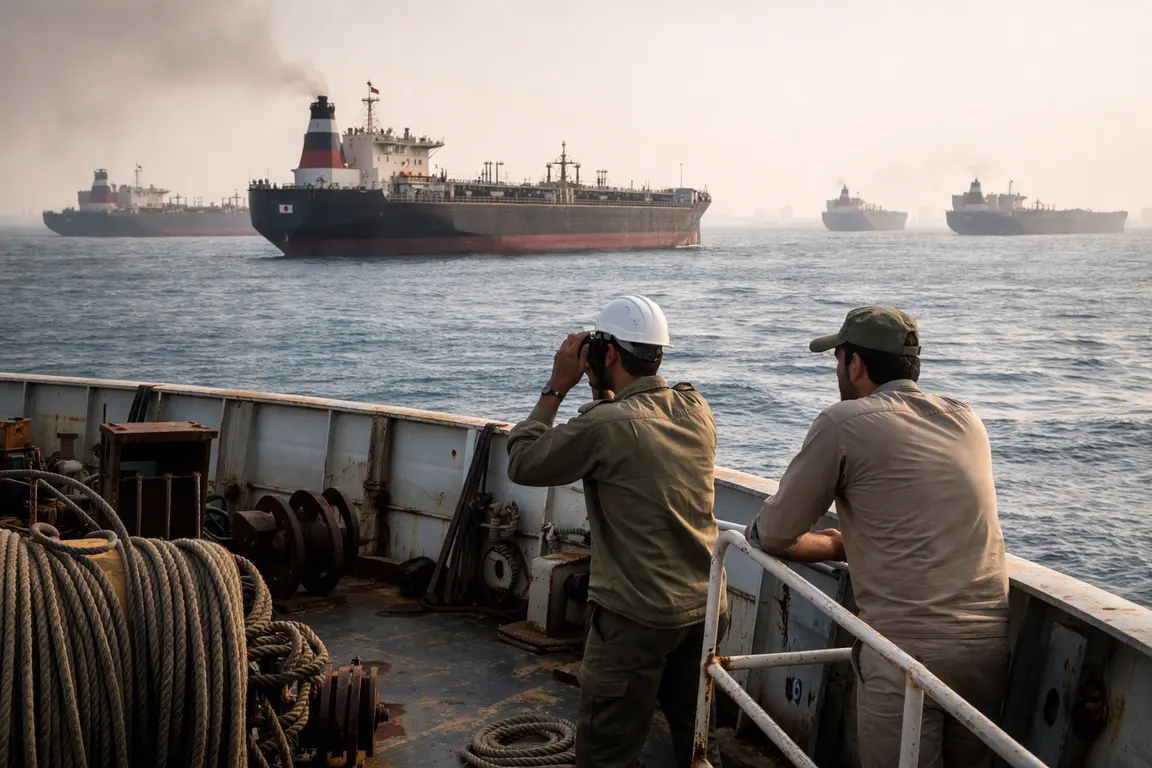
More than 50 Iran‑flagged tankers have been forced to anchor after a U.S. blockade Hormuz barred them from the Strait of Hormuz, while at least 20 commercial vessels have been attacked in the waterway over the past month.
The blockade has immobilized Iran’s oil‑carrying fleet at a time when the strait moves roughly 20 percent of the world’s petroleum. Iran’s September crude loadings fell to zero, according to Bloomberg, and Treasury officials said the country will have “no oil on the water” this week – a historic first.
United Against Nuclear Iran (UANI) tracked more than 50 Iranian tankers stuck off Sri Lanka and one near Oman. The Pentagon refers to the operation as “Operation Economic Outcast.” At the same time, International Top News reported nearly 20 attacks on commercial ships, mostly tankers, transiting Hormuz in the last thirty days. Al Jazeera noted the surge and asked whether the corridor can handle the higher export volumes now being pushed by Saudi Arabia, the United Arab Emirates and Kuwait, whose combined shipments have risen to about 23.3 million barrels per day, near pre‑war levels.
U.S. officials have not disclosed the legal authority used to deny passage, and reports differ on the exact number of vessels stopped. The perpetrators of the recent attacks remain unidentified; sources have not linked them definitively to state actors, pirates or militias.
For Iran, the loss of export revenue is immediate. Oil funds a large share of public services and employment, and the halt in shipments creates a fiscal shortfall that could pressure domestic spending. Gulf exporters stand to gain market share, but they also face higher security risks. Insurance premiums for Hormuz transits have already risen, and many shippers are demanding longer reroutes that add days and cost.
Oil futures have been volatile since the blockade began, trading above $90 a barrel in early October as markets reacted to supply‑disruption fears. Analysts warn that any escalation—whether more attacks or an expanded blockade—could push prices higher and strain supply chains still coping with pandemic‑era inventory levels.
Shipping companies are tightening safety protocols, including convoy escorts where available and increased onboard security. Lloyd’s of London warned that war‑risk premiums could double for vessels entering the corridor, a cost likely to be passed to shippers and consumers.
Diplomatic channels remain active but inconclusive. U.S. officials have hinted at a possible de‑escalation if Iran curtails its missile program, while Tehran’s foreign ministry has condemned the blockade as illegal. No formal negotiations have been announced, leaving the future of the strait uncertain.
The coming weeks will test whether the blockade can maintain pressure without provoking a broader confrontation and whether the pattern of attacks will intensify or subside. Policymakers, insurers and market participants are watching a waterway that has become both a commercial artery and a potential battlefield.