

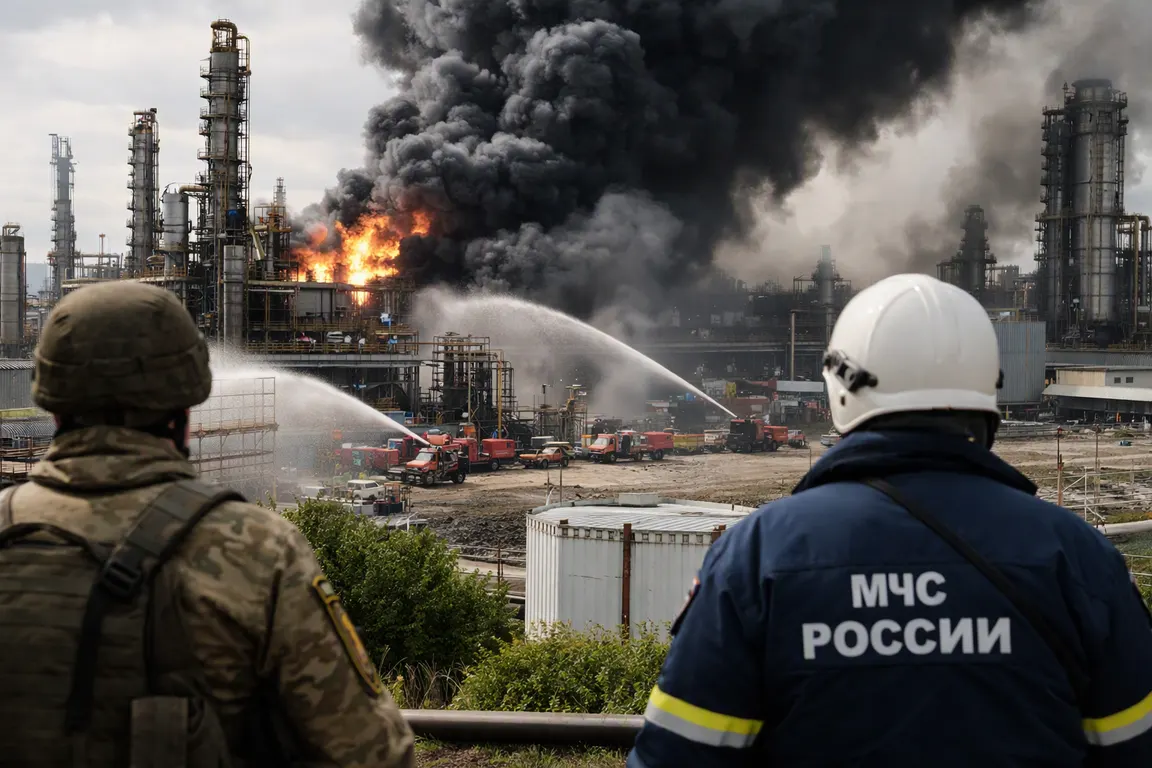
Ukrainian drones hit a Gazprom Neft refinery on the outskirts of Moscow on Sept. 21, sparking a sharp reaction in global diesel markets and prompting U.S. officials to press Kyiv to curb attacks on fuel‑producing sites.
The strike came as U.S. diesel prices hovered around $200 a barrel, nearly double pre‑war levels, according to the International Energy Agency. Brent crude slipped to $101.75 a barrel after the attack, reflecting market anxiety over a possible disruption to Russia’s fuel supply chain.
Ukrainian officials described the raid as a blow to Russia’s diesel industry, which they say underpins the Kremlin’s logistics network. President Volodymyr Zelenskyy posted on X that the target was “one of Russia’s key oil industry facilities.” The refinery, with a capacity of about 245,000 barrels per day, supplies fuel stations in Moscow and surrounding regions.
Within hours, Russian drones struck the Ukrainian city of Zaporizhzhia, damaging apartment blocks, a university and a shopping mall and injuring five people, according to local reports. The tit‑for‑tat exchange highlighted how quickly the conflict can move from the battlefield to civilian infrastructure.
U.S. pressure on Kyiv has been explicit. On Sept. 13, President Donald Trump called Zelenskyy and urged an end to “long‑range drone attacks on Russian refineries that produce diesel.” Trump’s claim that “Russia has lost control of its diesel oil industry” frames the attacks as a lever to force Moscow’s hand, but Kyiv has signaled it will continue the campaign until it can meaningfully disrupt Russian fuel supplies.
The market impact is already visible. After the Moscow refinery was hit, Brent fell 2 percent, while diesel futures remained near historic highs. European shippers, who account for roughly 30 percent of global oil demand, face higher transportation costs that could feed broader inflation. Energy‑intensive sectors such as shipping and logistics are watching the situation closely, as any further refinery disruption could tighten fuel availability on short notice.
The diplomatic backdrop includes the United Nations General Assembly meeting in New York the week of Sept. 21, where Zelenskyy is expected to meet Trump and other world leaders. The forum could amplify calls for restraint or, conversely, reinforce Ukraine’s resolve to continue targeting Russian energy assets.
Neighboring states are already feeling spillover effects. Moldova temporarily closed part of its northern airspace after an “aerial object” entered its sky, and Romanian officials warned of stray drones crossing their borders. These incidents illustrate how the conflict’s aerial dimension threatens to draw additional countries into the fray, even unintentionally.
As diesel prices climb and the war expands to include attacks on oil infrastructure, the coming week will test whether U.S. diplomatic outreach can translate into measurable changes in Ukraine’s targeting strategy, or whether the drone campaign will persist despite the economic and humanitarian costs. The outcome will shape fuel markets and the broader calculus of energy security in a region already strained by war.