

Ukraine refinery strikes raise fuel price concerns, EU
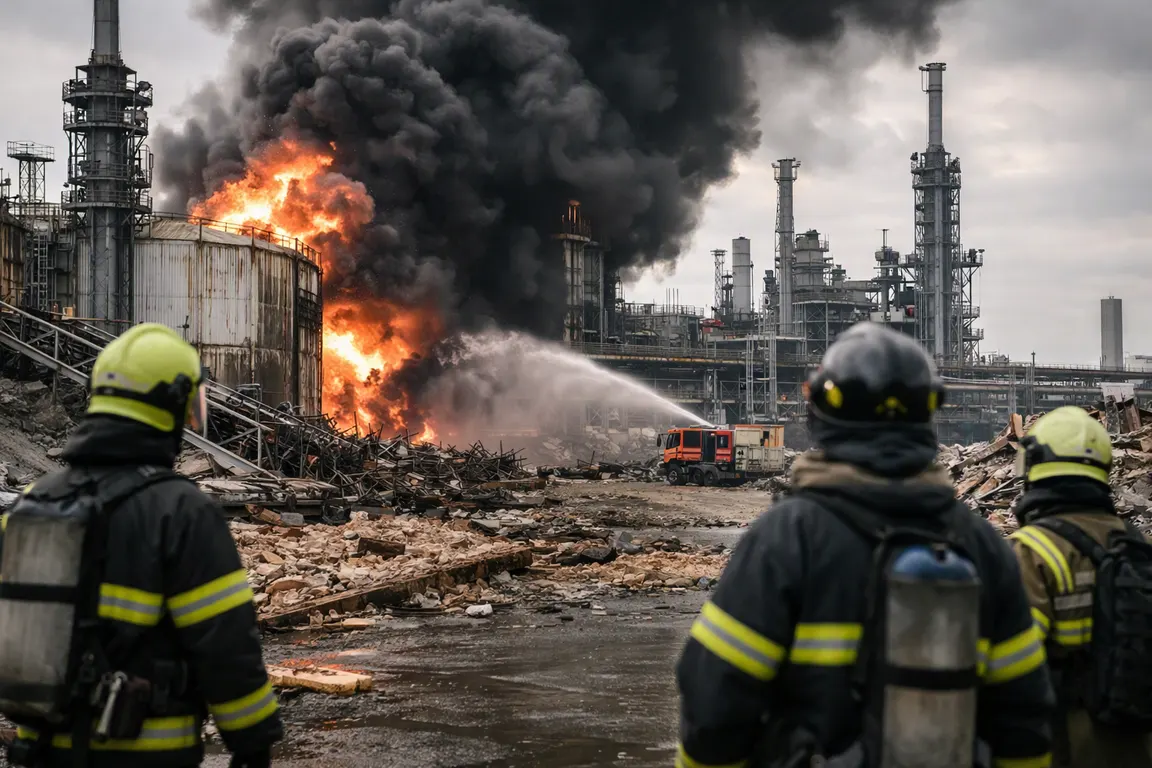
President Donald Trump called Ukraine’s renewed attacks on Russian oil refineries a “disgrace” on Thursday, warning the Ukraine refinery strikes could lift gasoline prices ahead of the U.S. midterm elections. At the same time, European leaders in Brussels said EU sanctions on Moscow will stay in place until Russia ends its war in Ukraine.
The juxtaposition highlights a growing transatlantic policy rift with immediate market and political implications. In the United States, higher fuel costs are already a concern for voters, while in Europe the sanctions regime remains a cornerstone of the bloc’s response to the conflict.
Trump’s remarks, reported by NBC and the Independent, came after Ukrainian President Volodymyr Zelensky announced the end of a brief cease‑fire and ordered a new wave of strikes on Russian refineries. Analysts say the attacks could tighten global gasoline and diesel supplies, putting upward pressure on prices. In a separate interview, Trump said Zelensky is “more difficult to deal with than Putin,” a comment echoed by the BBC and the Guardian.
European Commission President Ursula von der Leyen told reporters that EU sanctions will not be lifted unless Moscow halts its war, reaffirming a stance first articulated in March when EU leaders welcomed Zelensky in Brussels. The EU’s position stresses continued economic pressure on Russia while maintaining support for Kyiv’s sovereignty, even as European countries scramble to diversify their energy sources.
The policy divergence raises three practical questions. First, the informal “energy cease‑fire” announced by Trump in early March was never formally accepted by either Moscow or Kyiv, leaving its collapse open to competing claims. Second, renewed Ukrainian strikes could curtail Russian refinery output, tightening global fuel supplies and potentially inflating prices in both the United States and Europe. Third, the EU’s firm sanctions stance may limit any coordinated U.S.–EU response to the fuel‑price debate, especially if domestic politics in Washington push for a softer line toward Kyiv.
For consumers, the immediate risk is higher pump prices as Russian crude and refined products become scarcer. European economies still dependent on Russian energy are likely to accelerate diversification efforts, a trend already evident in recent contracts for alternative gas supplies. For Ukraine, the strikes maintain pressure on Russian logistics but also risk provoking harsher retaliation that could endanger civilian areas.
The next week will test whether the Biden administration will publicly address Trump’s criticism or maintain its current level of support for Ukraine. Meanwhile, EU leaders are set to finalize a new package of sanctions and aid measures in Brussels, a process that will likely reference the ongoing debate over energy security and the role of external pressure on Moscow. How the United States and Europe reconcile their differing approaches could shape global fuel markets and the broader trajectory of the conflict for months to come.