

Ukraine energy ceasefire fails as power plants attacked
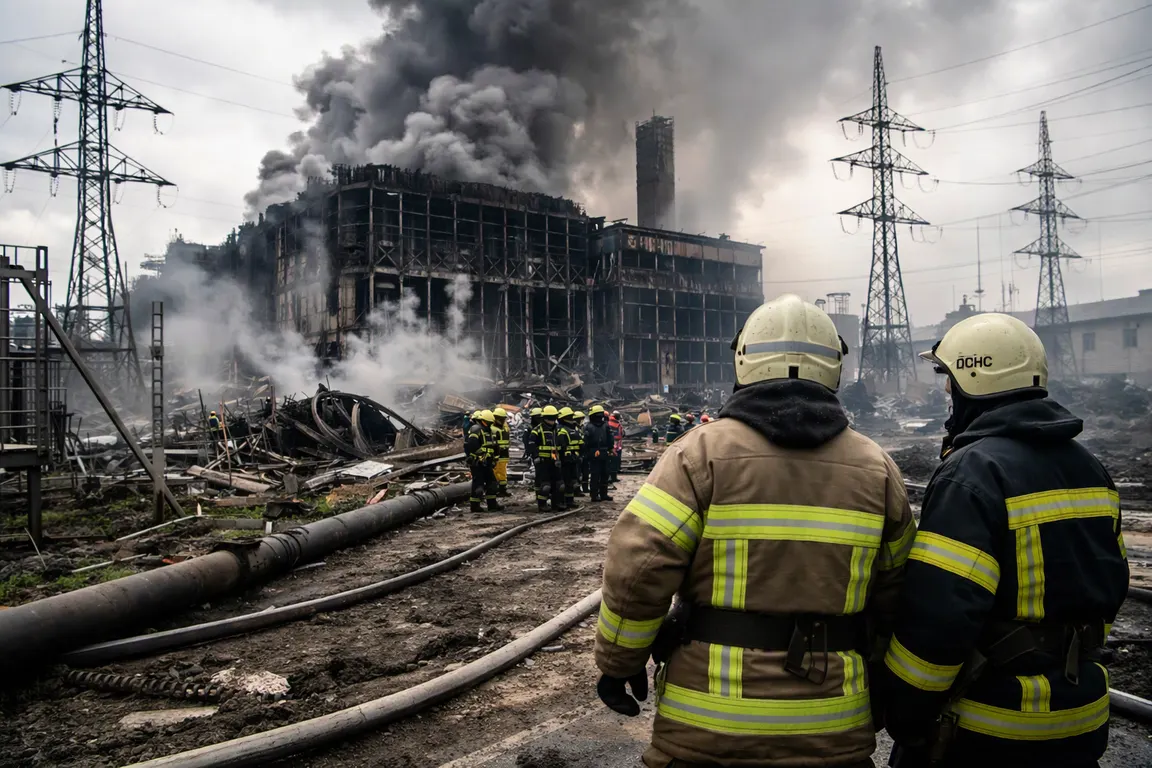
President Donald Trump announced on Sept. 14 that Russia and Ukraine had agreed to an “energy cease‑fire.” Within hours, Ukrainian officials reported Russian drones and glide‑bombs striking power facilities in Kyiv and Kharkiv, including a major plant in Kharkiv. The attacks demonstrated that no pause in the energy campaign was in effect.
The contrast matters because damage to electricity, heating and water systems threatens civilian survival as winter deepens. It also influences global oil markets and U.S. diplomatic credibility. Oil prices fell after Trump’s statement, and a newly disclosed U.S. diesel‑purchase deal with Russia raised questions about the broader impact of the policy.
Trump offered no details and received no confirmation from Moscow. Ukrainian President Volodymyr Zelenskyy said Kyiv “welcomes” the idea but noted that Russian strikes continued, underscoring the gap between diplomatic language and battlefield reality. Zelenskyy proposed a reciprocal pause: Ukraine would halt attacks on Russian refineries if Moscow stopped targeting Ukrainian energy sites.
Former Canadian prime minister Mark Carney voiced support for the cease‑fire during a call with Trump, adding a North‑American endorsement to the U.S. narrative. The U.S. Department of Energy later disclosed a diesel‑purchase agreement with Russia intended to lower domestic fuel costs. Analysts warned the deal could provide Moscow with hard currency that might fund further military operations.
The strikes have immediate human consequences. In Kharkiv, damage to the power plant forced utilities to curtail electricity, leaving thousands without heating amid sub‑zero temperatures. Kyiv residents reported rolling blackouts that disrupted water pumps and public transport. Humanitarian agencies cautioned that prolonged outages could worsen winter‑related health risks and strain shelters already coping with displaced families.
Markets reacted quickly. Oil futures slipped after the cease‑fire claim, reflecting investor optimism that de‑escalation could ease supply concerns. The lack of Russian verification and the continuation of attacks soon tempered that optimism, and prices stabilized amid uncertainty.
Kremlin spokespeople have not confirmed any agreement, leaving the cease‑fire’s legal or operational status undefined. Without a monitoring mechanism or mutually agreed verification, the claim remains a political statement rather than an enforceable pact.
International observers have called for a joint monitoring team, but no arrangement has been announced. As winter approaches, protecting civilian infrastructure becomes increasingly urgent. The disparity between rhetoric and reality will shape both the humanitarian situation in Ukraine and the credibility of U.S. diplomatic initiatives aimed at curbing the conflict’s energy dimension.