

Ukraine energy ceasefire collapses as power sites hit
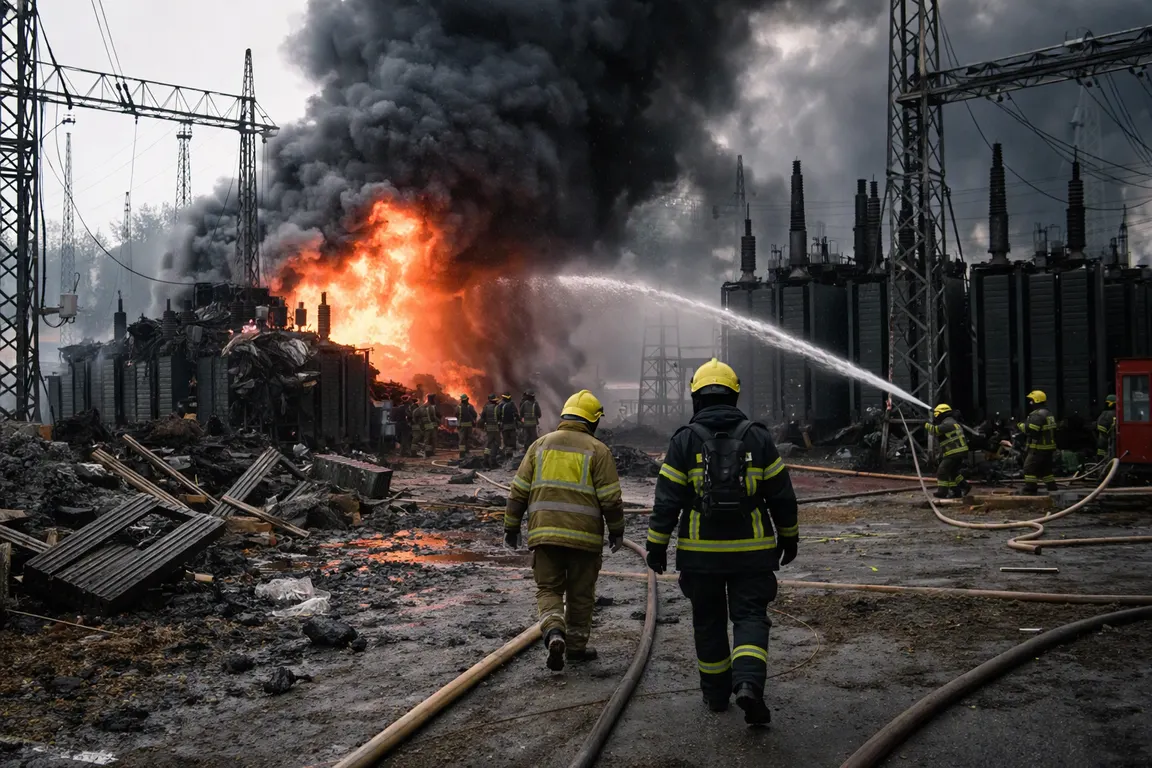
Within hours of President Donald Trump's Sunday social‑media post urging a halt to attacks on energy infrastructure, Ukrainian officials confirmed at least six strikes on power and gas facilities. The attacks, reported by the BBC and Manila Times, underscore the gap between diplomatic rhetoric and the security reality on the ground.
The breakdown matters for civilians as winter approaches. Outages strain an already fragile grid, threaten heating and water supplies, and have already nudged fuel prices higher. U.S. diesel prices rose on Monday, a shift NBC linked to the cease‑fire’s failure to calm market expectations.
Trump announced the cease‑fire on September 14, 2024, in a brief post that offered no verification mechanism or enforcement detail. The next day, President Volodymyr Zelenskyy told the BBC that six Ukrainian energy sites—including a power plant in Kharkiv, a gas production facility and a civilian gas station—had been hit since the announcement. He added that Ukraine had voluntarily refrained from targeting Russian energy assets, a stance corroborated by the Manila Times.
Kremlin spokesman Dmitry Peskov declined to confirm Russian involvement, saying “contacts are ongoing,” while EU foreign policy chief Kaja Kallas expressed doubt that Moscow would honor the pledge.
The pattern of strikes aligns with a broader Russian strategy described by the Manila Times as “weaponizing winter,” where attacks on power, heat and water infrastructure aim to erode civilian resilience. Although the Kremlin has not publicly admitted responsibility for the recent hits, the timing and target selection match earlier campaigns that left thousands without electricity during cold months. No joint monitoring body was established, and the United States offered no concrete steps to track violations.
In Kharkiv, power outages have forced schools to close and left hospitals reliant on backup generators. Residents report indoor temperatures falling below freezing as central heating systems remain offline. Water pumps, dependent on electricity, have intermittently failed, raising sanitation concerns as temperatures drop. While Russian civilians have also faced Ukrainian strikes on their own energy sites, the scale of Ukrainian attacks appears limited by Zelenskyy’s self‑imposed restraint.
Beyond the human toll, the cease‑fire’s collapse reverberates through global energy markets. NBC reported that diesel prices in the United States rose modestly after the cease‑fire failed to affect expectations, a move echoed in European oil futures. Analysts note that any perceived de‑escalation would have tempered price volatility; the opposite—a rapid return to hostilities—has reinforced upward pressure on fuel costs for consumers and businesses worldwide.
Policymakers now face unanswered questions. The United States has not outlined a verification framework, and the EU’s skepticism suggests future diplomatic overtures will need clearer enforcement provisions. Ukraine must balance its commitment to the cease‑fire with the imperative to protect critical infrastructure. As winter looms, intensified diplomatic talks—potentially mediated by third parties—and transparent monitoring mechanisms will be essential. Until such measures materialize, the gap between high‑level promises and the lived reality of blackouts and rising pump prices is set to widen.