

Trump Xi summit, Hormuz attack and Fed comments shape
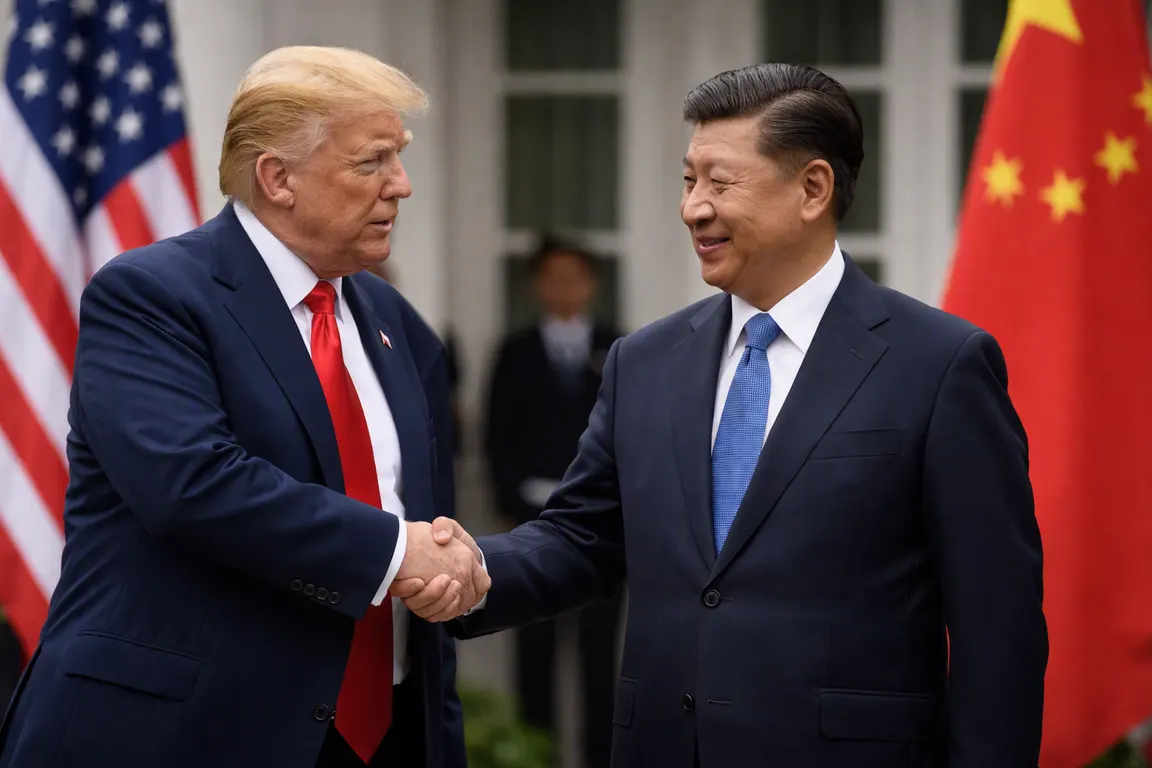
President Donald Trump and Chinese President Xi Jinping will meet Thursday in Washington for a summit on trade, artificial‑intelligence cooperation and critical‑minerals supply chains. It is the first face‑to‑face dialogue between the two leaders since 2024 and has already nudged Brent crude to an 11‑day low of $101.75 a barrel and West Texas Intermediate below $100 as investors price in reduced tariff risk.
Over the next five days, markets are weighing three intertwined developments. First, the summit could produce concrete steps to ease U.S.–China trade frictions and a framework for joint AI research, which would lower risk premiums for technology stocks. Second, a tanker transiting the Strait of Hormuz was struck by an unknown projectile on Monday, injuring two crew members and reviving concerns about the chokepoint that carries roughly a third of global oil shipments. Third, a packed Federal Reserve speaking schedule – featuring Chicago Fed President Austan Goolsbee, New York Fed President John Williams, Fed Vice Chair Philip Jefferson, Governor Michael Barr and Cleveland Fed President Beth Hammack – will shape expectations ahead of Friday’s durable‑goods report and the October FOMC meeting.
The Trump‑Xi talks are expected to focus on three tangible outcomes: mutual recognition of each other’s AI export controls, a pledge to avoid new tariffs on a defined basket of goods, and a joint working group on critical‑minerals sourcing for batteries. Bank analysts say a formal agreement could lift the risk premium on semiconductor and AI‑related equities, while a lack of clear roadmap could reignite tariff speculation. The White House agenda does not include a direct discussion of Iran, though President Masoud Pezeshkian is in New York for the UN General Assembly. Speculation about a side‑meeting with Trump remains unverified.
The Hormuz incident adds a volatile layer to the energy picture. UKMTO data confirm the vessel was hit by an unidentified projectile; some outlets suggest a drone, but officials have not identified the weapon. The strike prompted a brief dip in oil prices, and the market remains sensitive to any sign that shipping through the strait could be disrupted. Persistent threats could push oil higher, pressuring fuel‑importing economies and raising transport costs for consumers.
Meanwhile, the Fed’s speaking circuit is likely to signal a cautious stance on monetary policy. Goolsbee is expected to stress data‑driven decisions, while Williams and Jefferson have hinted that the recent dip in the 10‑year Treasury yield to roughly 4.96% – its first sub‑5% reading since 2007 – may be temporary. Barr’s remarks on Wednesday could address the upcoming durable‑goods orders, where economists forecast a 0.6% month‑over‑month rise. Hammack is slated to discuss the Treasury auction schedule, which includes $69 billion of two‑year notes on Tuesday, $70 billion of five‑year notes on Wednesday and $44 billion of seven‑year notes on Thursday. Investors are already shifting from longer‑duration bonds toward shorter‑term paper, while equity traders trim exposure to high‑beta tech names and add to energy‑related stocks that could benefit from lower oil.
The convergence of high‑stakes geopolitics, a security incident in a key oil corridor and a flood of Fed commentary creates a high‑wire environment for markets. The next clear signal will come from the summit’s joint communiqué on Thursday; concrete trade and AI commitments could revive equity momentum and stabilize yields. If the Hormuz threat escalates or Fed officials signal a more hawkish outlook ahead of the payrolls report, volatility could spike again, leaving investors to balance safety against opportunity.