

Trump trade threat ties Fed rate cuts to trade bans
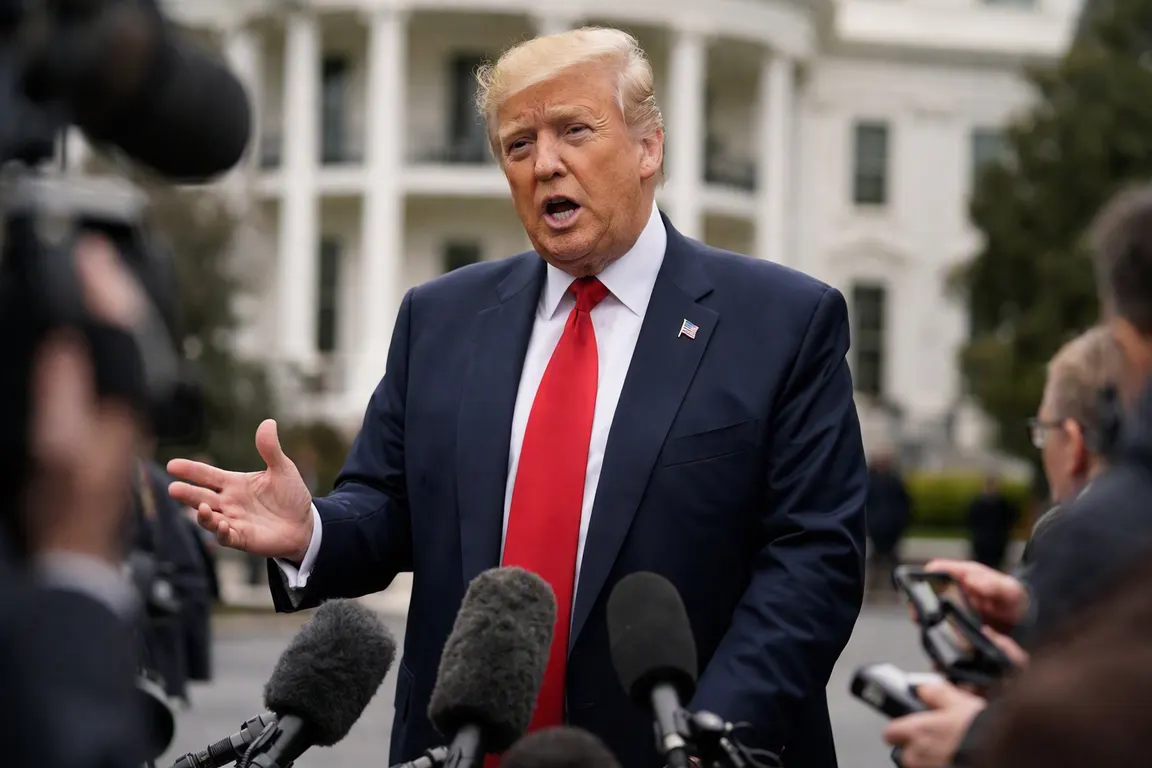
President Donald Trump posted on Truth Social Friday that he would halt trade with any nation running a U.S. trade deficit unless the Federal Reserve cuts interest rates. The ultimatum, issued without naming specific countries, links two separate levers of economic policy—monetary policy and trade enforcement—in a single public demand.
The comment comes as the Fed, now led by Chair Jerome Powell, weighs its next move after an August jobs report showed strong hiring. By tying the Fed’s policy rate to the consumer‑facing prime rate, Trump’s post mixes technical details with a political threat, prompting analysts to warn that the rhetoric could distort market expectations, strain diplomatic ties and create uncertainty for businesses that rely on imported goods.
Trump cited the robust employment numbers as evidence that the economy can sustain lower borrowing costs. However, the Federal Reserve’s mandate is to set rates based on inflation and employment data, not presidential pressure. Economists note that the Fed’s independence is a cornerstone of financial stability; politicizing rate decisions could lift bond yields, move the dollar, and erode confidence in the central bank’s credibility. No official response from the Fed or the U.S. Trade Representative has been reported, and no legislative or regulatory proposal accompanies the president’s comment.
Trade experts point out that the United States runs deficits with many partners, including China, the European Union and Japan. A trade halt would disrupt export‑oriented manufacturers and agricultural producers while raising prices for import‑dependent retailers and consumers. The threat also raises diplomatic questions: trading partners could view a unilateral ban as a breach of World Trade Organization rules and consider retaliatory measures, further complicating an already tense global trade environment.
The timing is notable. Early August 2024 saw the strong jobs report, and mid‑August marked Powell’s assumption of the Fed chairmanship, inheriting a policy debate sparked by his predecessor’s hawkish stance. By inserting a trade ultimatum into that debate, Trump blurs the line between monetary policy, which is designed to be insulated from political influence, and trade policy, which falls under the executive’s purview but requires coordination with Congress and international agreements.
Stakeholders are already assessing potential reactions. Financial markets are likely to monitor bond yields and the dollar for signs of political pressure on the Fed, while businesses that import components from deficit‑running countries may begin contingency planning. Diplomatic channels, however, have not disclosed any formal complaints or negotiations in response to the president’s statement.
The episode underscores a broader question about the limits of presidential authority. The president cannot legally condition trade actions on the Fed’s rate decisions, and any attempt to do so would face legal and institutional hurdles. Whether the rhetoric translates into concrete policy remains uncertain, but the suggestion has already prompted warnings from economists and trade officials about the risks of mixing monetary and trade strategies.
The Fed’s policy meeting later this month will be the next observable step. Analysts will watch for any shift in language that acknowledges political pressure, while the White House has yet to clarify whether the trade threat was intended as a negotiating tactic or a genuine policy proposal. Until then, markets and diplomats alike must grapple with the possibility that presidential statements could influence economic expectations without an accompanying legal framework.