

Trump signs bill imposing Russian oil tariffs up to 100%
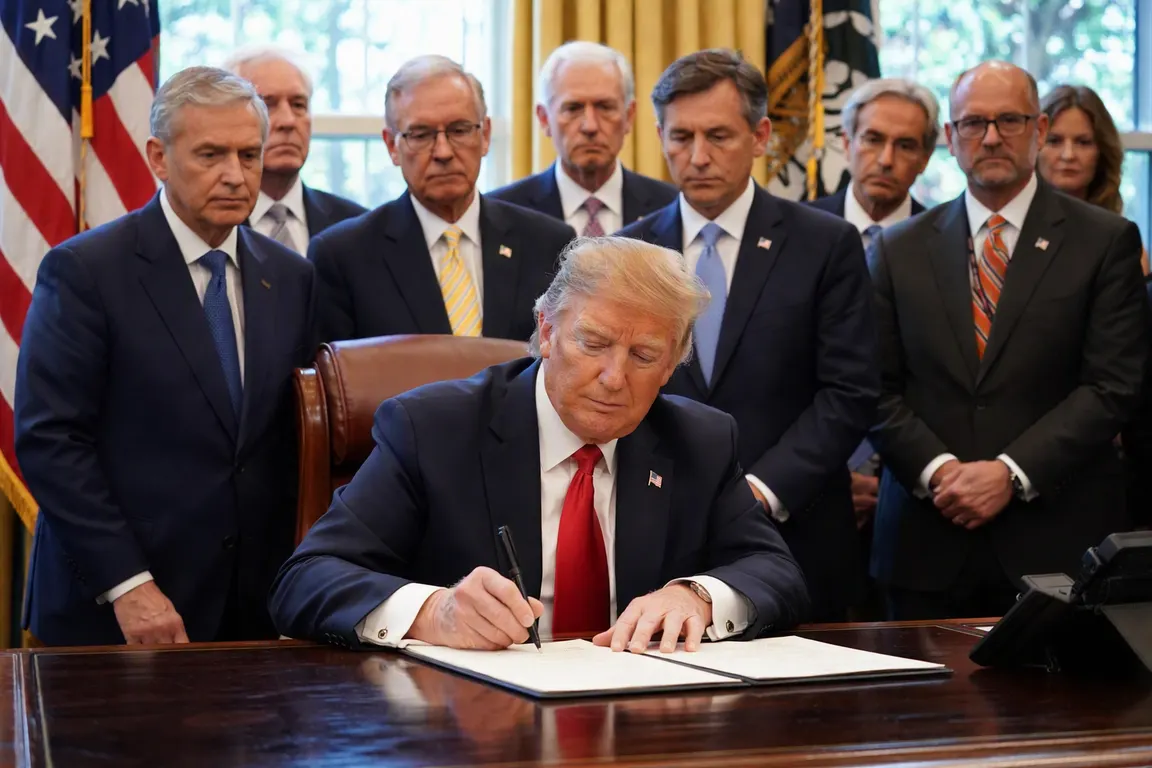
President Donald Trump signed the Lindsey O. Graham Sanctioning Russia and Iran Act of 2026 on Tuesday, authorizing Russian oil tariffs of up to 100 percent on foreign buyers of Russian crude, including China and India. The measure expands existing sanctions on Iran’s energy and weapons sectors and is intended to cut revenue that funds Russia’s war in Ukraine.
The law gives the Treasury Department authority to levy a tariff equal to the full value of any Russian oil purchase made by a designated foreign entity. China and India, which together account for roughly two‑thirds of Russia’s oil sales, are explicitly named as potential targets. By making Russian crude effectively unprofitable for those buyers, the United States hopes to pressure Moscow to scale back its military campaign.
Analysts say a 100 percent tariff could force China and India to seek alternative supplies from Saudi Arabia, the United States or new producers in Africa and the Americas. A shift in purchasing patterns would reshape global oil flows and could lift Brent crude prices in the short term, raising the cost of gasoline, jet fuel and heating for consumers worldwide.
The act also extends sanctions that restrict Iran’s ability to export oil, develop its nuclear program and sell weapons abroad. The added pressure aims to limit Tehran’s funding for regional activities and its nuclear ambitions, but the legislation does not specify enforcement timelines or detailed mechanisms.
U.S. officials argue the tariffs target foreign buyers, not American consumers, and therefore should not directly raise U.S. fuel prices. Market observers caution that any disruption to Russian supply is likely to ripple through global benchmarks, indirectly affecting U.S. gasoline and jet fuel costs.
China and India have previously signaled resistance to U.S. attempts to curb their energy purchases. Diplomatic channels are expected to see heightened activity as both nations weigh the cost of defying the tariffs against the benefit of discounted Russian oil. Beijing may boost its strategic petroleum reserves or accelerate deals with other suppliers, while New Delhi could expand domestic refining capacity.
The bill follows a series of congressional actions since Russia’s 2022 invasion of Ukraine aimed at tightening sanctions on Moscow. Supporters say cutting off oil revenue is essential to ending the conflict, while critics warn the approach could exacerbate global inflation and strain relations with key trade partners.
Implementation now rests with the Treasury, which will issue regulations detailing how the tariffs will be calculated and collected. The effectiveness of the measure will depend on the willingness of China, India and other buyers to comply and on whether the sanctions meaningfully reduce Russia’s ability to fund its war without triggering broader economic fallout.