

Trump rejects Iran offer to reopen Strait of Hormuz
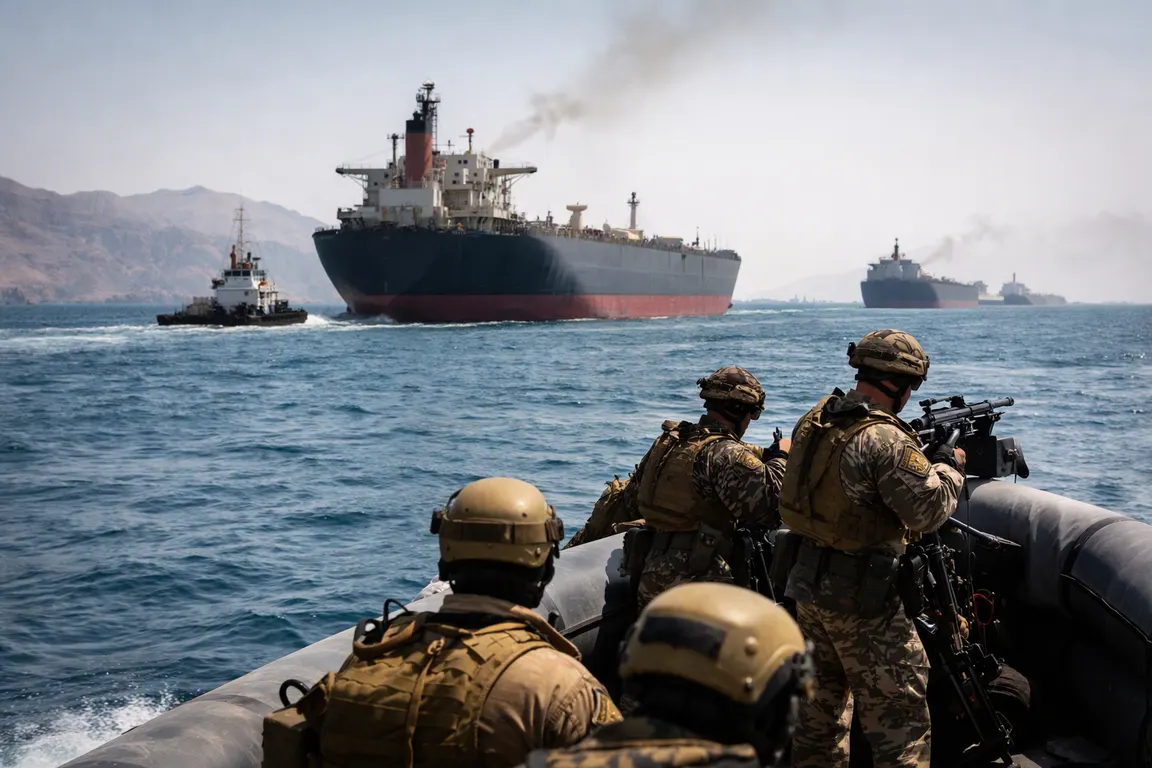
President Donald Trump dismissed Iran’s proposal for a Strait of Hormuz reopening within seven days, calling it “not acceptable.” The rejection leaves the world’s most critical oil corridor without a diplomatic path forward and adds uncertainty for global shipping and energy markets.
The Hormuz Strait carries roughly one‑fifth of the world’s petroleum exports. Iran’s offer, announced by Foreign Minister Hossein Amir‑Abdollahian, was framed as a de‑escalation gesture after recent missile launches and heightened naval activity. Tehran said it was ready to restore the flow of oil through the narrow waterway within a week.
The United States has not issued a formal response. Deputy Foreign Minister Amir‑Abdolhossein Araghchi said Iran is waiting for an official U.S. reply, and parliamentarian Ali Motahhari‑Pezeshkian warned that Tehran no longer trusts talks with Washington after the president’s dismissal. Both BBC News and Al Jazeera reported the statements on the same day, noting the absence of any written U.S. position.
Without a clear diplomatic answer, shipping companies must plan routes amid the possibility of sudden closures. Vessels that normally transit Hormuz may be forced to detour around the Arabian Sea, increasing fuel consumption and freight rates. Brent crude rose modestly after the news, reflecting market anxiety about potential supply constraints.
The episode fits into a broader pattern of U.S.–Iran confrontations over Tehran’s nuclear program and regional activities. Analysts view Iran’s rapid‑reopening offer as an attempt to leverage its control of the strait, while the U.S. has offered no detailed rationale beyond Trump’s characterization of the proposal as unacceptable.
For oil‑importing nations that rely on Hormuz‑bound shipments—such as Japan, South Korea and several European countries—the impasse could translate into higher prices if the lane remains closed or intermittently disrupted. Regional actors, including Gulf Cooperation Council members, are watching closely, aware that any escalation could draw them into a wider confrontation.
Diplomatically, the rejection underscores deepening mistrust between Tehran and Washington. Iran’s willingness to act quickly contrasts with the United States’ abrupt dismissal, a mismatch that may hinder future crisis‑aversion mechanisms.
The next step is likely quiet diplomatic outreach, possibly through European or United Nations mediators, to determine whether a revised proposal could meet U.S. criteria. Until a formal response is issued, the Strait of Hormuz remains a flashpoint where geopolitical calculations intersect with global energy security.