

Trump pauses Russia diesel sanctions after diesel purchase
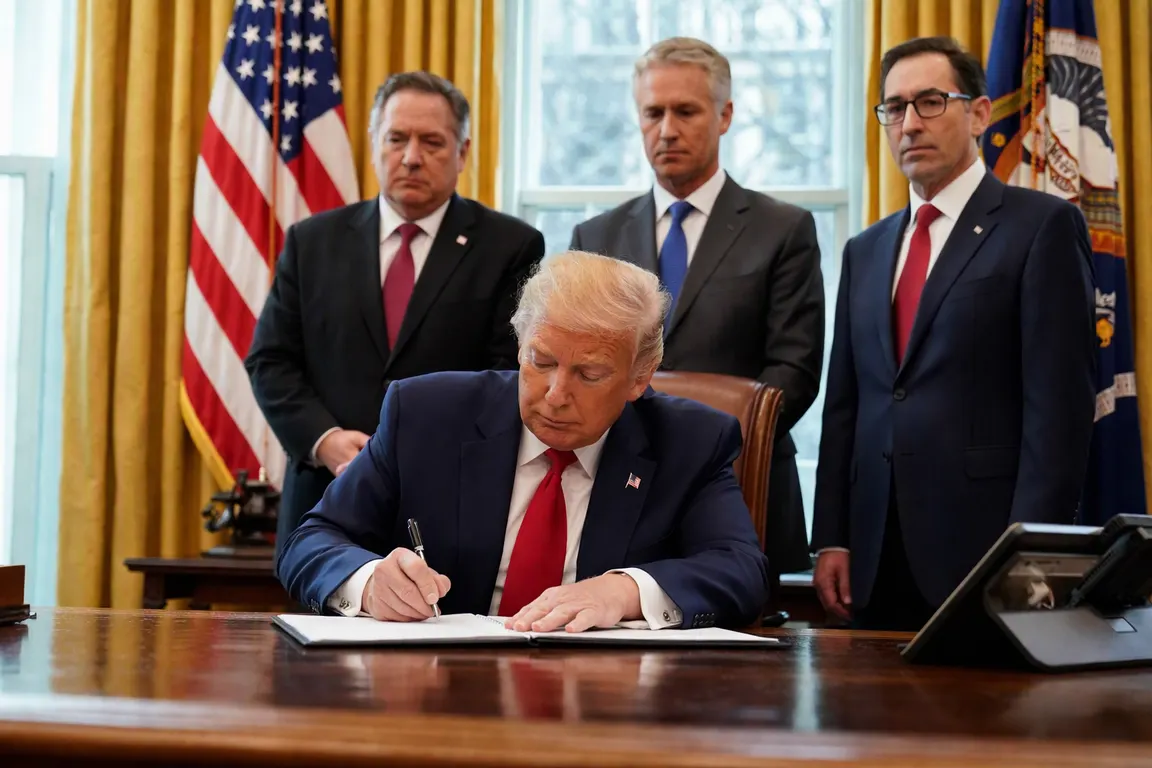
President Donald Trump signed an executive order on Friday that temporarily pauses the Russia diesel sanctions after he announced a deal to buy Russian diesel. The White House said the waiver serves the "national interests of the United States" and issued it hours after the purchase was disclosed.
The order lifts restrictions that were meant to choke revenue streams funding Russia's war in Ukraine. By allowing U.S. companies to trade again with Russian energy firms, Russian diesel exporters could regain access to the American market.
Congress passed a comprehensive sanctions package last month and Trump signed it into law at that time. The new executive order does not specify which provisions are being waived, leaving the scope of the exemption unclear. Officials described the action as a "pause" rather than a permanent repeal, adding uncertainty about how long the relief will last.
The timing of the waiver appears linked to the diesel deal. NBC reported that Trump announced the purchase shortly before the order was issued, and the New York Post quoted the president saying the pause was "in the national interest." Details of the transaction have not been released, but the proximity of the two announcements suggests the energy purchase influenced the decision.
Supporters argue the move reflects a pragmatic response to U.S. energy needs, while critics say it rewards Moscow for a commodity sale and undermines the sanctions' purpose. For American firms that previously could not import Russian diesel, the waiver could restore a source of fuel and improve profit margins. For Russia, renewed diesel sales to the United States would generate foreign‑currency earnings that could support its war effort.
The episode also raises questions about executive authority. The president can grant waivers under statutory and national‑security exceptions, but the order did not detail the legal basis. Lawmakers who backed the original sanctions are likely to demand clarification and may pursue hearings or legislative fixes to ensure congressional intent is respected.
Global energy markets could feel a short‑term impact. Additional diesel supply from Russia might ease price pressures on diesel and related fuels in the United States, though the overall effect on oil and diesel prices will depend on the size of the deal and how long the waiver remains in place.
Congress has not indicated whether it will move to reinstate the suspended provisions or draft new measures to close any loopholes. As the administration balances national‑interest claims, energy procurement, and sanction policy, the effectiveness of U.S. pressure on Moscow will be a focal point of upcoming congressional oversight and diplomatic discussions.