

Temporary Hormuz Shipping Corridor Opens Amid U.S. Sanctions
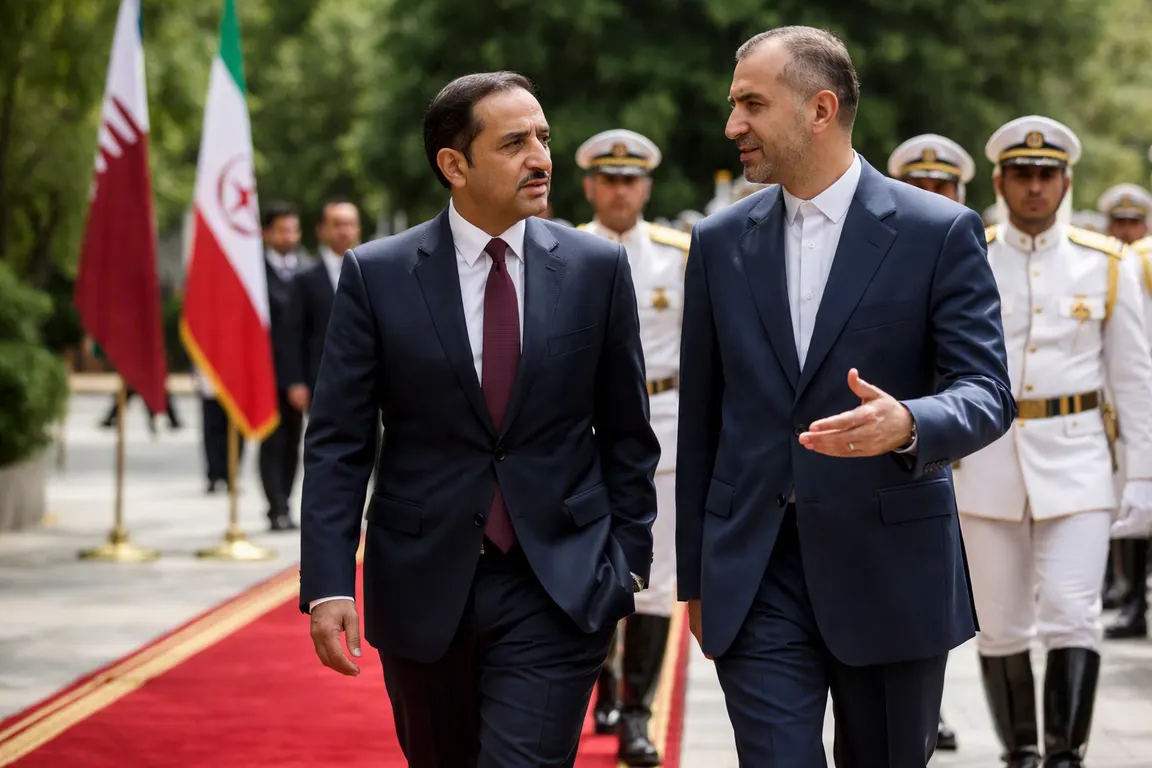
Qatar’s prime minister, Sheikh Mohammed bin Abdulrahman Al Thani, met Iran’s foreign minister, Hossein Amir‑Abdollahian, in Tehran this week and announced a temporary Hormuz shipping corridor through the Strait of Hormuz. The arrangement is intended to keep oil tankers moving while the United States prepares a new round of sanctions on Iran’s energy sector.
The Hormuz corridor carries about 20% of the world’s petroleum trade. Any interruption would raise freight costs, strain regional supply chains and likely lift global fuel prices. With Washington expanding restrictions on Iran’s oil exports and banking links, neighboring states are looking for diplomatic fixes that preserve the waterway and lower the risk of a military flashpoint.
The Qatar‑Iran talks follow a series of regional overtures that began earlier this year. Officials from Oman and Pakistan have also visited Tehran, describing their trips as “constructive engagement” aimed at regional stability. Analysts note that the visits signal a shared interest in de‑escalating tensions and keeping the strait open for commerce.
The corridor is a short‑term, operational measure rather than a formal treaty. Iranian and Qatari maritime authorities will monitor vessel movements, and the route could be extended or adjusted based on security assessments. No binding legal framework has been announced, and its durability remains uncertain.
U.S. officials have not detailed the upcoming sanctions package, but Treasury actions this month have already targeted Iran’s oil exports and related financial networks. The expected tightening of Iran’s access to foreign currency could curb its ability to fund regional projects and maintain its own fleet. For shipping firms, the temporary corridor offers a brief relief valve, but the lack of a permanent agreement leaves the risk of sudden closures.
Regional economies stand to benefit if the lane stays open. Qatar, Oman and Pakistan rely on steady oil imports for domestic use and re‑export markets. A stable shipping environment could also spur investment in port infrastructure and related services in those countries. Iranian businesses, meanwhile, face a dual challenge: tighter sanctions at home and compliance with the corridor’s operational rules.
Global oil traders are already adjusting positions. If the corridor proves reliable, futures markets may price a modest discount to Brent, reflecting reduced perceived risk. Conversely, an abrupt suspension could trigger a spike in spot prices as buyers scramble for alternative routes around the Arabian Peninsula.
Analysts caution that diplomatic signals are positive but the strategic calculus remains fragile. Both Tehran and Washington retain the capacity to escalate, and a misstep could quickly reverse the tentative de‑escalation.
The corridor is slated to become operational within days. Maritime authorities will report on vessel movements, and follow‑up talks are expected among the United States, Qatar and other regional actors. Whether the temporary route evolves into a longer‑term arrangement or collapses under renewed pressure will shape the security of one of the world’s most critical oil arteries.