

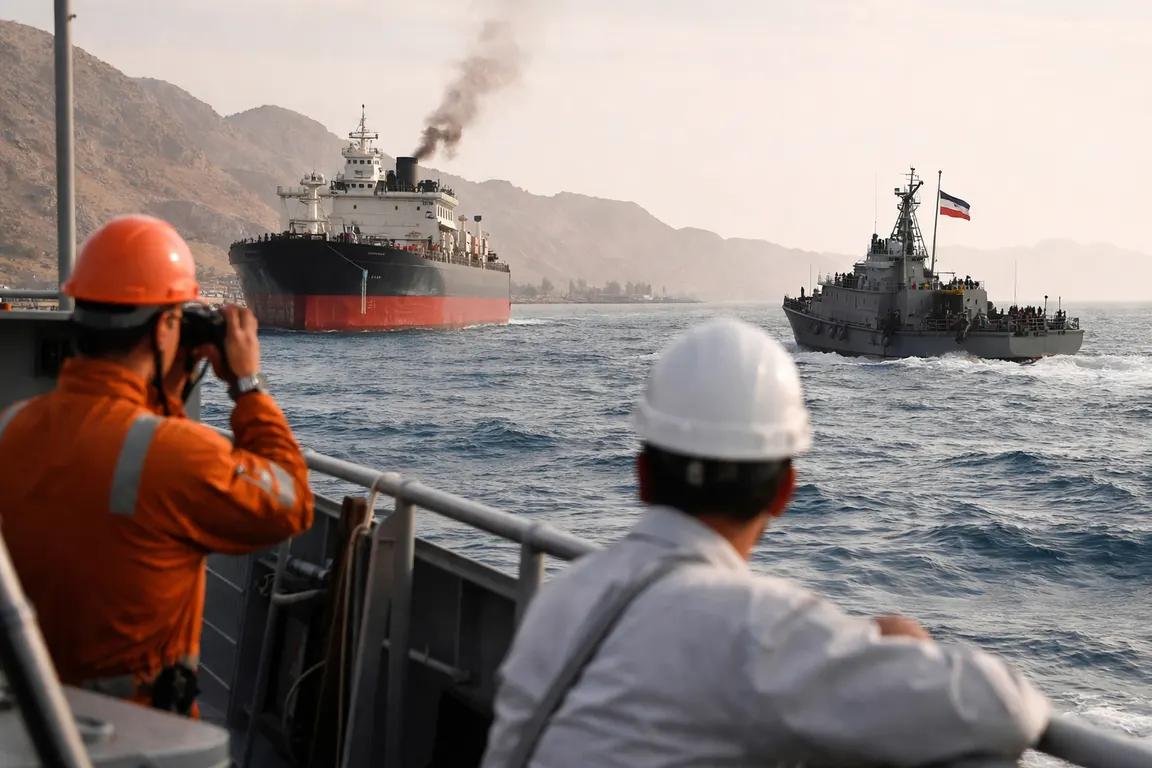
The Strait of Hormuz, a critical shipping route for oil between Iran and Oman, is facing disruptions, prompting concerns over global oil supplies and prices. This vital passage is used for a significant portion of the world's oil shipments, and any disruptions can have far-reaching effects on the global oil market. The situation is complex, with sources disagreeing on the extent of the disruptions and the impact on oil markets.
The disruptions have been ongoing for months, and the latest developments have sparked concerns over oil market stability. Gulf producers are exploring alternative routes, but the effectiveness of these routes and the potential consequences of a naval blockade are uncertain. The US has been trying to force Iran to fully reopen the Strait, but the situation remains unresolved. President Trump's threat of a naval blockade and demand for a 20% toll charge have further exacerbated the situation.
As the situation continues, Gulf producers and oil markets are directly affected, and global oil supplies and prices may be impacted, potentially affecting the economy and public safety. Communities that rely on oil for energy and transportation may also be affected by price increases or shortages. The next step for Gulf producers and the global oil market is to find effective alternative routes and to mitigate the potential consequences of the disruptions.
One key question is how the US's actions in the Strait of Hormuz will impact global oil prices and supplies. Another concern is the potential consequences for public safety, infrastructure, and community impact if the situation escalates. The situation remains unresolved, and the impact on the global oil market and economy will depend on the actions taken by Gulf producers, the US, and other stakeholders involved.
The Strait of Hormuz is a vital passage for oil shipments, and any disruptions can have significant effects on the global oil market. The ongoing disruptions have sparked concerns over oil market stability, and the situation will continue to be monitored closely by Gulf producers, oil markets, and other stakeholders. As the situation develops, it is essential to consider the potential consequences for public safety, infrastructure, and community impact, and to find effective solutions to mitigate these effects.