

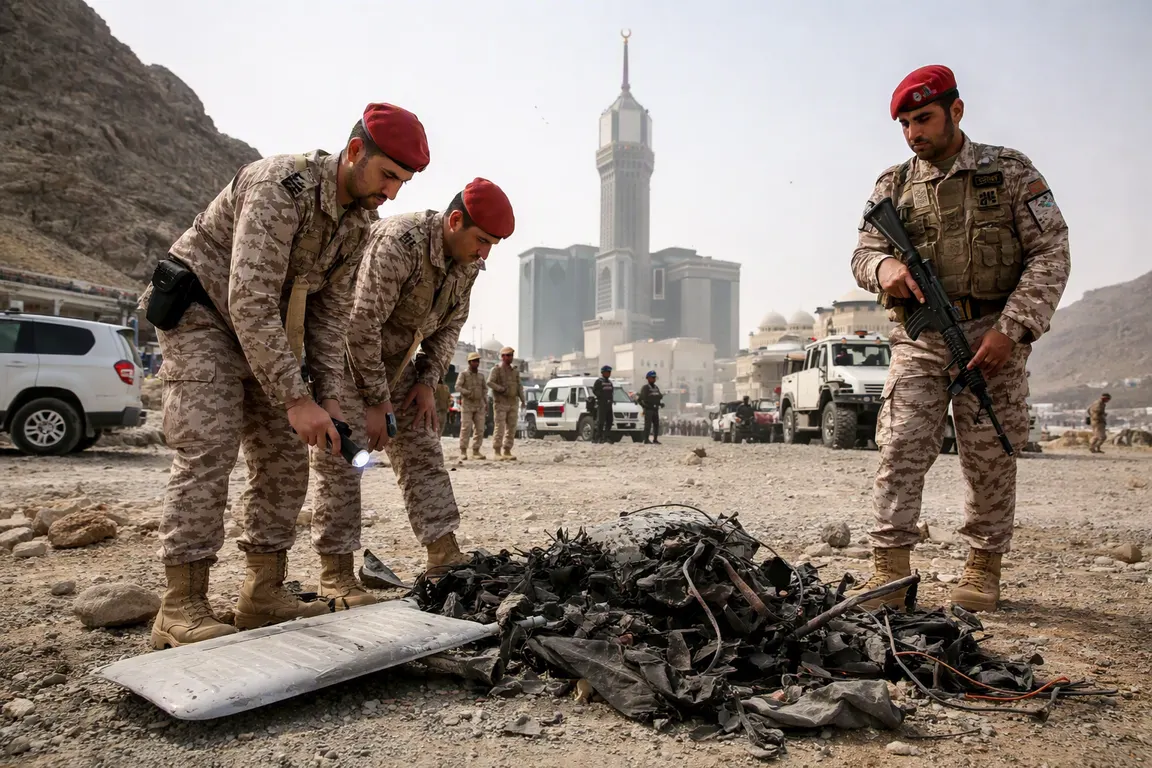
Saudi officials said a one‑way attack drone was intercepted on Sept. 15 before it could reach Mecca, calling the incident a "red line" for the kingdom. The coalition’s statement warned of "necessary and deterrent measures" against the Iran‑backed Houthi militia, while Houthi politburo member Hazem al‑Assad dismissed the claim as a "worn‑out lie."
The allegation follows a Houthi drone strike a week earlier that damaged Saudi Arabia’s East‑West crude pipeline, which moves about 7 million barrels per day from the Strait of Hormuz to the Red Sea port of Yanbu. The outage forced the kingdom to cancel September‑loading cargoes bound for Europe and reroute roughly 8.7 million barrels through east‑coast terminals. At the time, Brent crude hovered near $107 a barrel and U.S. diesel crack spreads hit a record $115 a barrel, tightening an already strained European diesel market ahead of winter.
Saudi authorities have not released radar or satellite data to confirm the drone’s trajectory toward Mecca, and independent verification is lacking. The coalition’s claim rests on internal military assessments, leaving the precise target ambiguous. Houthi officials deny any intention to strike the holy city, calling the Saudi narrative a fabricated pretext for escalation.
In response, the Saudi‑led coalition said it would boost air defenses around Mecca and accelerate repairs on the East‑West pipeline. Military sources said additional Patriot missile batteries and combat air patrols have been positioned to protect religious sites and critical energy infrastructure. The coalition also signaled a willingness to expand its rules of engagement, though no retaliatory strikes have been announced.
The pipeline disruption is already affecting oil logistics. European refiners expecting September cargoes from Saudi ports now face delayed deliveries and higher freight rates as tankers are rerouted through the congested Strait of Hormuz. Spot freight premiums have risen, and diesel markets are reacting to the record crack spreads. In Washington, Senate Majority Leader John Thune said he is "open to exploring" a diesel export ban to ease domestic supply pressures, while Russian officials are reportedly considering extending their own diesel export restrictions through October. Both moves could tighten global diesel supplies as demand for heating fuel climbs in the Northern Hemisphere.
The incident also revives broader concerns about a wider Gulf conflict. Saudi officials frame the alleged drone attack as a breach of a sacred red line, but regional actors such as Turkey and Pakistan have issued diplomatic statements condemning the escalation without outlining concrete policy shifts. The lack of verifiable evidence of a threat to Mecca keeps the situation in a precarious balance between rhetoric and potential kinetic action.
Analysts will watch for the next Saudi statement on pipeline repairs and any concrete evidence confirming the drone’s intended target. The convergence of a security threat to a religious landmark, disruption of a key oil artery, and soaring diesel prices highlights how a single contested incident can reverberate through regional stability and global energy markets.