

Russian Drone Strikes Hit Kyiv, Zaporizhzhia and Odesa
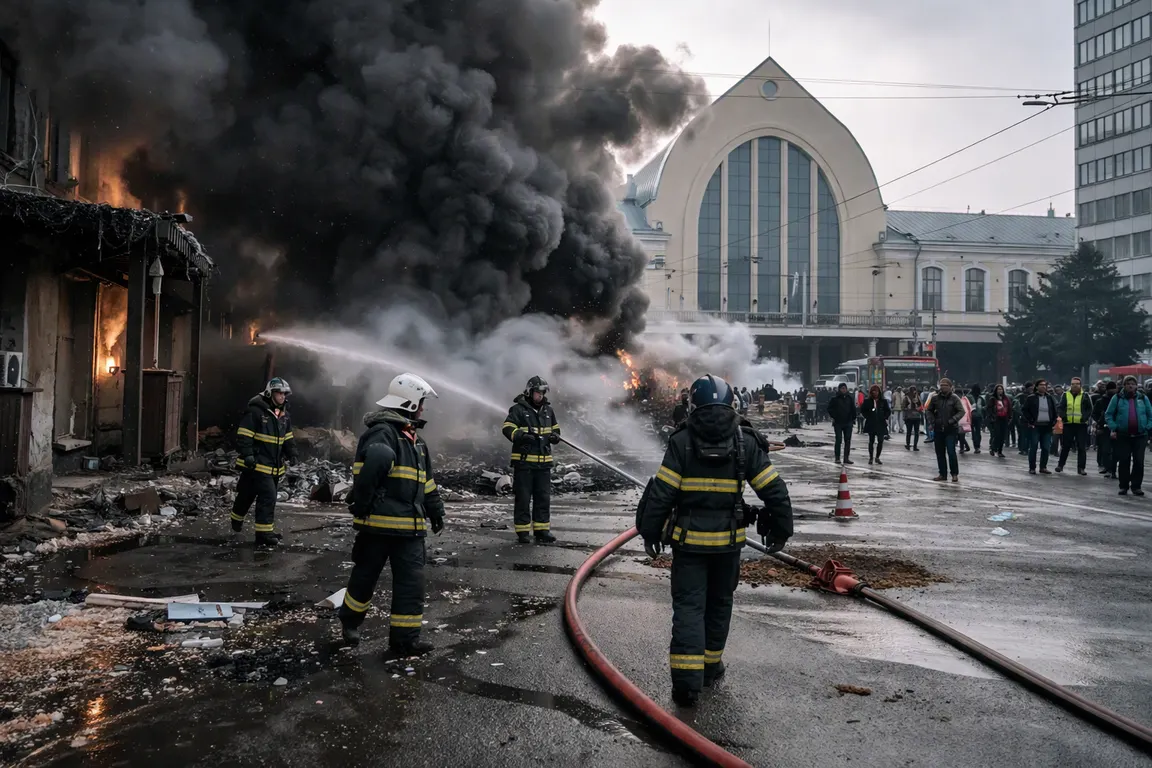
Russian drone strikes Ukraine hit Kyiv on the morning of Sept. 23, killing two civilians and wounding 23 others as black smoke rose from the city’s central railway station. The same wave of attacks set a shopping mall ablaze in Zaporizhzhia, injuring two shoppers, and killed a cargo‑ship captain in Odesa when a drone hit his vessel.
The coordinated strikes came hours before President Volodymyr Zelensky’s scheduled address to the United Nations, where he is expected to repeat Kyiv’s call for a reciprocal "energy ceasefire" with Russia. In a Telegram post, Zelensky said Ukraine would stop targeting Russian energy facilities if Moscow halted attacks on Ukrainian power plants, logistics hubs and civilian sites.
U.S. envoys Steve Witkoff and Jared Kushner are reportedly carrying the proposal to Moscow. If accepted, the ceasefire could affect regional fuel prices, grain shipments through the Black Sea and the broader humanitarian response.
Multiple outlets confirmed the Sept. 23 attacks. The Manila Times reported the Kyiv drone impact and noted black smoke over the railway hub. Russia’s Defense Ministry claimed it had struck Ukrainian military‑industrial, energy, logistics facilities and sea vessels overnight. Ukrainian Railways chief Oleksandr Pertsovsky warned that the rail network was "under fire" and urged passengers to stay vigilant.
In Odesa, the death of a cargo‑ship captain underscored the threat to Black Sea commercial traffic that carries grain to global markets. Turkey’s President Recep Tayyip Erdoğan condemned recent attacks on commercial vessels in the Black Sea during a UNGA speech, adding a diplomatic dimension to the crisis.
The drone surge heightens the immediate risk to civilians and critical infrastructure, sharpening the urgency of Kyiv’s appeal. Analysts say an energy ceasefire could stabilise regional diesel prices, easing pressure on European and U.S. markets already coping with elevated fuel costs. Conversely, continued strikes on power grids would prolong blackouts for millions and complicate aid distribution.
Zelensky’s diplomatic push coincides with a high‑profile meeting in Washington on Sept. 23, where he discussed the energy ceasefire and a proposed trilateral summit with President Donald Trump, Russian President Vladimir Putin and Chinese President Xi Jinping. Trump reportedly agreed to seek a meeting that could bring the three leaders together. The next day, Secretary of State Marco Rubio is slated to meet Russian Foreign Minister Sergey Lavrov in New York, while U.S. envoys prepare to deliver Kyiv’s proposal to Moscow.
No independent verification exists that Moscow has formally responded to Kyiv’s offer, and White House officials have not confirmed any pressure on Zelensky to curb attacks on Russian refineries.
The human toll is immediate. Explosions near Kyiv’s railway station disrupted commuter services and raised the risk of mass casualties. The mall fire in Zaporizhzhia forced evacuations and strained local emergency responders. The maritime loss in Odesa threatens grain exports already facing bottlenecks, potentially tightening global food supplies and pushing up prices.
Zelensky’s UN address on Sept. 24 will be the next decisive moment. Whether the United States can leverage its diplomatic channels to secure a reciprocal pause, and whether Russia will acknowledge the proposal, remain open questions that will shape the security and economic outlook for Ukraine and its trading partners.