

White House Grants Russian Diesel Import Waiver Amid High
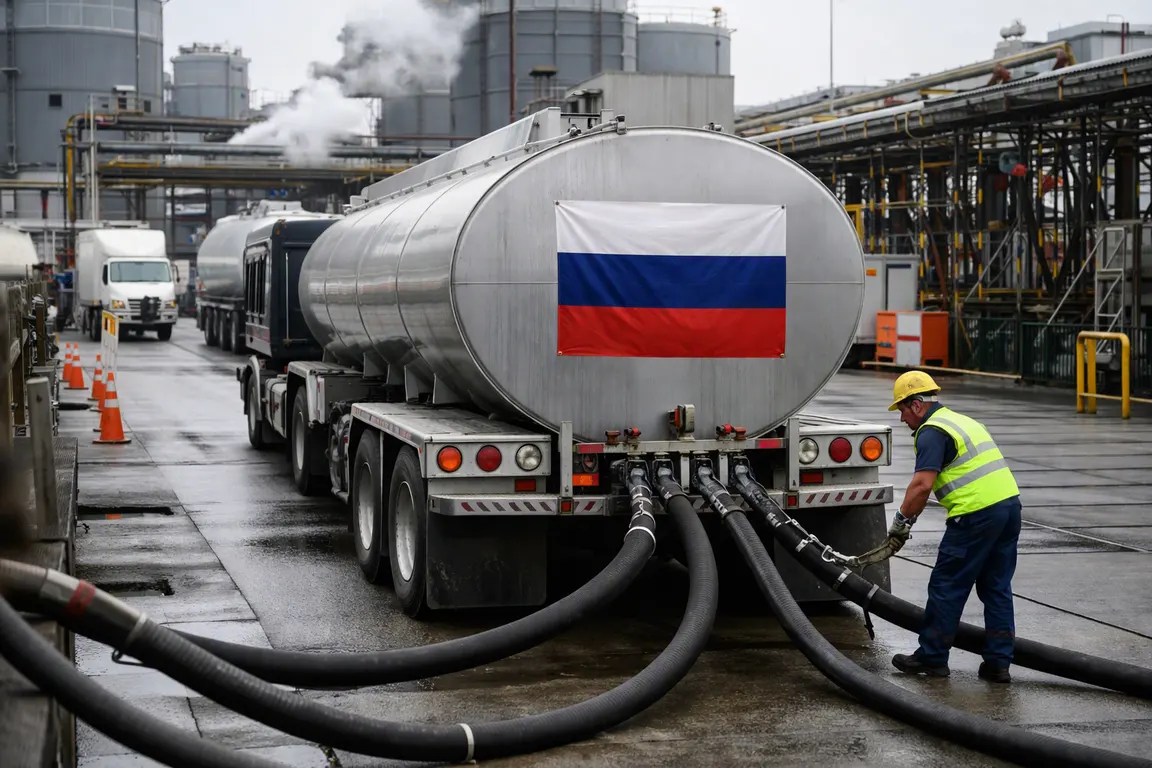
The Treasury Department issued a general license on Oct. 9 that creates a Russian diesel import waiver, allowing diesel shipments from Russia to the United States. The move reverses the sanctions regime in place since Russia’s invasion of Ukraine in 2022.
National diesel prices are near historic highs, with AAA reporting a national average of $6.28 per gallon after a record $6.52 in late September. The administration says the waiver is intended to provide short‑term relief for farmers, truckers and other diesel‑dependent sectors.
Under the license, diesel loaded onto tankers on or after Oct. 9 is exempt from sanctions until April 2027. The waiver is the first to extend beyond the 30‑day exemptions that have been used for other Russian fuel shipments.
President Donald Trump told reporters that Russia will deliver more than 300,000 tons of diesel immediately, 500,000 tons in November and a further one million tons thereafter, with an additional three million tons “within a short period,” according to the Manila Times.
The move follows a bipartisan sanctions law signed by Trump in September 2024 that imposes tariffs of up to 100 percent on the top five importers of Russian oil or gas. By temporarily easing diesel restrictions, the administration hopes to blunt the impact of those tariffs on domestic users while keeping pressure on Russian crude and gas exports.
Critics say the waiver could weaken the leverage the United States and its allies have built around energy sanctions. Ukrainian President Volodymyr Zelenskyy called the decision a “gift to Putin” that could fund further aggression. Analysts at the Energy Policy Research Foundation noted that the volume of diesel slated for import represents only a fraction of U.S. demand and is unlikely to move retail prices in a meaningful way.
Russia lifted its own export ban on diesel earlier this month, and Deputy Prime Minister Alexander Novak said shipments to the United States could begin as early as October. The United States has not imported Russian oil or gas since 2022, making diesel the first major energy product to re‑enter the market under a Trump‑era waiver.
Agricultural and transportation groups welcomed the prospect of lower fuel costs, citing tight margins and rising operating expenses. Consumer advocates cautioned that any price relief would be modest and uneven, given the limited scale of the imports relative to national consumption.
For Ukraine, the influx of Russian revenue from diesel sales could erode a diplomatic lever that has helped sustain Western sanctions. Russian state‑linked exporters, meanwhile, gain a new outlet that could bolster state finances.
The administration has not disclosed payment terms or who will bear the cost of the shipments, prompting some members of Congress to request a briefing before the November midterm elections. A Treasury review slated for early 2025 will assess whether the general license should be extended or modified.
Until then, officials said they will monitor diesel market dynamics, the flow of Russian revenue and the political fallout both at home and abroad.