

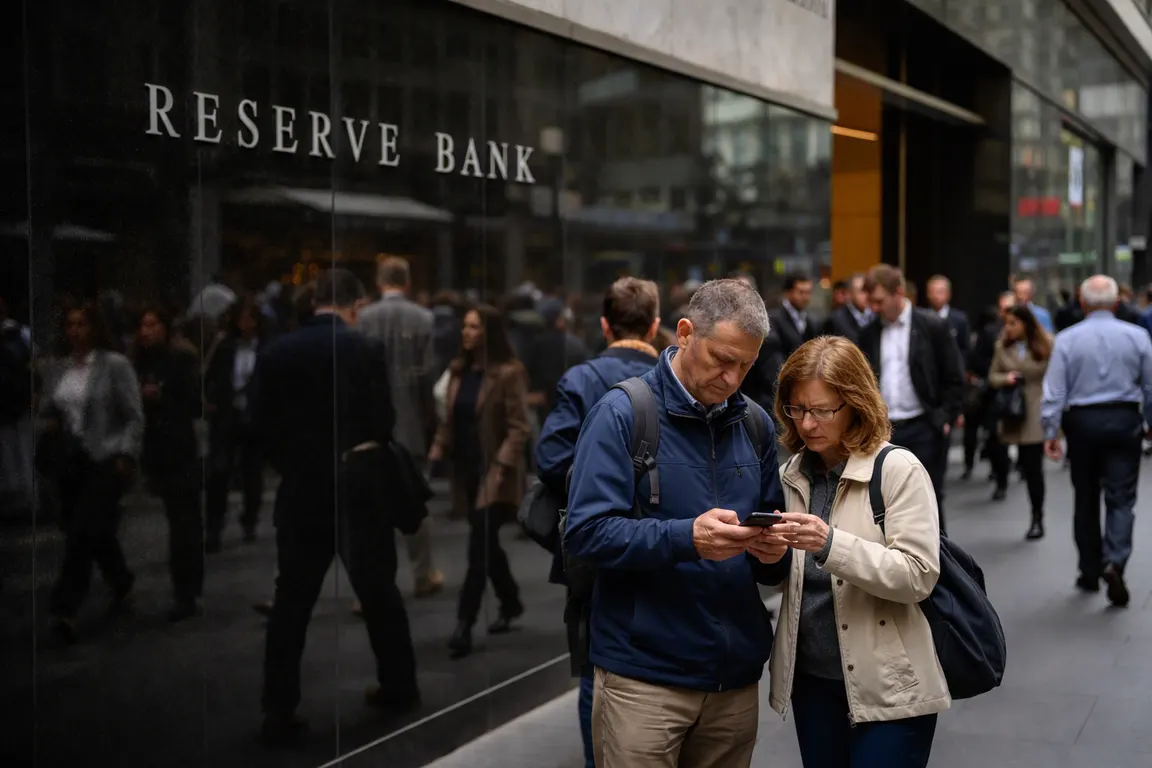
The Reserve Bank of Australia raised its benchmark cash rate by 25 basis points on Friday, taking the RBA cash rate 4.6%, the highest level since 2011. The decision, made at the board’s April 26 meeting, signals a tighter monetary stance as inflation remains above the RBA’s 2‑3% target range.
The hike will increase borrowing costs for millions of Australians. Variable‑rate mortgage repayments are expected to rise by roughly $30 to $50 a month, depending on loan size, tightening household cash flow at a time many families are still paying down pandemic‑era debt. Higher financing costs are also likely to curb discretionary spending, putting pressure on retail sales in the months ahead.
Governor Michele Bullock said the board believes the move will be “worth it” in a few years, even though it will feel painful now. She added that further hikes remain possible if inflation proves persistent. Economists surveyed by Reuters had broadly expected a 25‑basis‑point increase, and the decision was described by International Top News as “in line with expectations,” though the outlet offered no detail on the underlying inflation data.
For first‑time buyers, tighter credit criteria may reduce borrowing capacity as lenders adjust to higher rates. Businesses could also feel the impact, with higher loan costs prompting delays to investment projects and expansion plans.
Financial markets reacted quickly. The Australian dollar edged higher against the U.S. dollar, reflecting the tighter policy outlook, while government bond yields rose modestly. Those moves underscore how the RBA’s stance can influence capital flows and financing costs beyond the mortgage market.
The announcement left several key questions unanswered. The RBA did not disclose the exact inflation reading that prompted the move, nor did it set a timeline for any further hikes. Analysts will watch upcoming consumer‑price index releases and wage‑growth data to gauge whether the central bank will need to act again within the next year.
While the rate rise marks a clear policy shift, the broader economic picture remains mixed. Inflation has eased from a peak of 7% last year but still sits above the bank’s target band. Consumer confidence shows signs of strain, yet the labour market remains tight, supporting wage pressures. How these forces balance will shape the RBA’s next decision.
The next RBA board meeting, scheduled for August, will likely indicate whether the “more hikes not off the table” warning translates into another increase. Until then, borrowers, investors and policymakers will be watching household debt service costs and inflation trends for clues about the path ahead.