

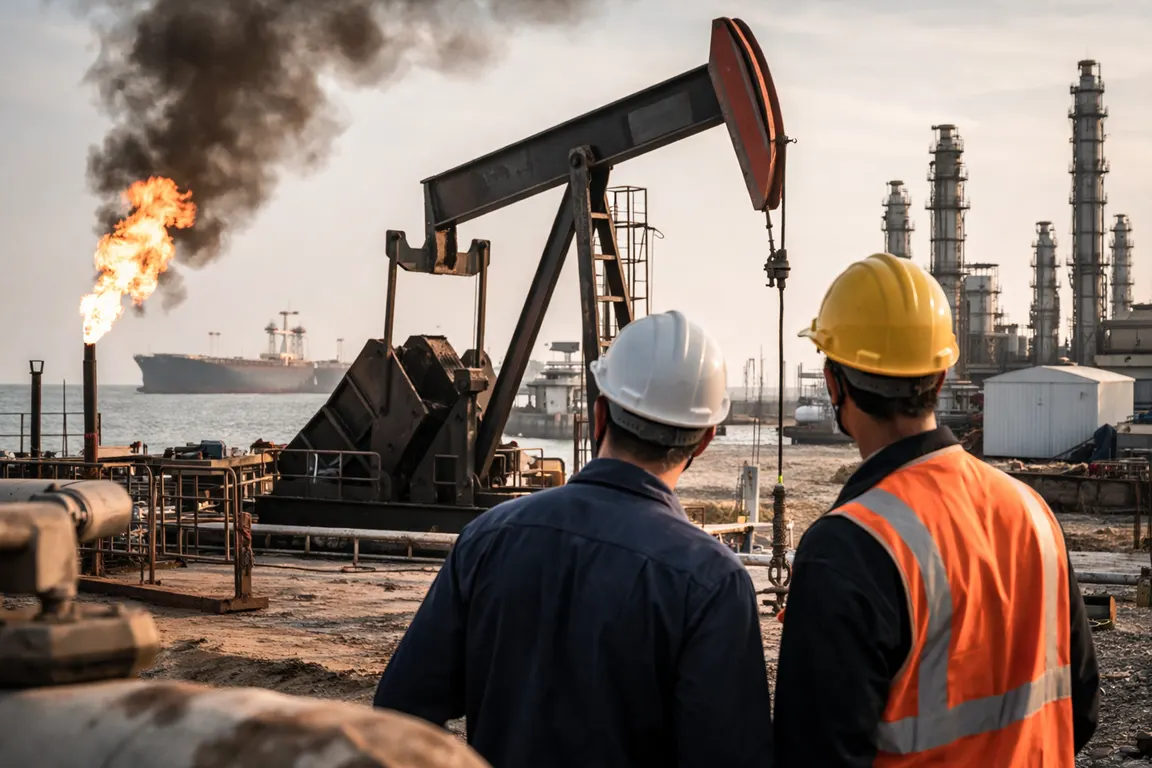
Oil prices have surpassed $100 per barrel for the first time since May, driven by escalating conflicts in the Middle East. The surge is attributed to the ongoing U.S.-Iran tensions and attacks on Saudi Arabian oil tankers in the Red Sea. This increase has significant implications for the global economy, affecting various industries and consumers alike.
The conflict is affecting the global oil market, with oil prices rising for five consecutive days and equities tumbling after oil prices crossed $100 per barrel. The main factors contributing to the surge in oil prices include the attacks on Saudi Arabian oil tankers and the ongoing U.S.-Iran tensions. As a result, oil prices are expected to impact various industries, including transportation, manufacturing, and consumer goods, ultimately affecting people's daily lives and the overall economy.
The potential consequences of oil prices remaining above $100 per barrel for an extended period are still uncertain, but they could lead to increased costs for consumers and businesses. The situation is being closely monitored, with many waiting to see how the conflict will unfold and what the long-term effects on the global economy will be. One key question is what measures will be taken to stabilize oil prices and mitigate the impact on the global economy.
The Middle East conflict continues to escalate, posing a significant challenge to the global economy. The impact of the conflict on oil prices and the global economy is a complex issue, with many factors at play. As the situation continues to unfold, it is likely that the global economy will face significant challenges in the coming months. The need for a stable and secure oil supply is critical, and the international community will be watching closely to see how the situation develops.