

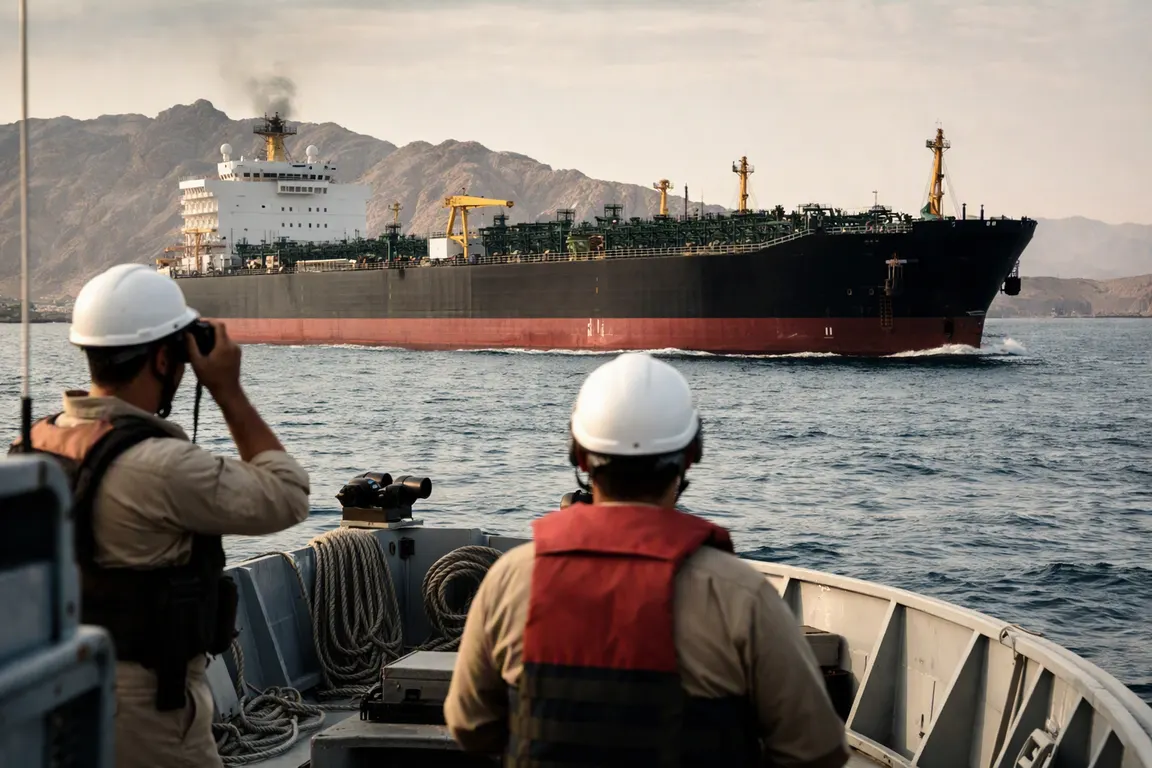
Conflicting reports on oil flows from the Middle East have sparked concerns about global supply and potential price increases. The US Secretary of Energy, Chris Wright, claimed that oil flows have normalized, with 9 million barrels per day leaving the Strait of Hormuz. However, data from tanker tracking services, such as Kpler, and reports from the US Energy Information Administration (EIA) contradict this claim, showing severely constrained transits and a decline in vessel traffic.
The discrepancies in oil flow reports have significant implications for the global economy, as a prolonged shortage could lead to higher fuel prices and inflation, affecting consumers worldwide. The International Energy Agency (IEA) forecasts a global oil deficit of 1.8 million barrels per day for the current quarter, with global oil supply expected to fall 4.3 million barrels per day this year.
The US now expects oil supply disruptions from the US-Iran war to last through the end of 2027, with an estimated 600,000 barrels per day affected. The potential shortage and price increases could affect consumers worldwide, particularly in Asia and the Middle East, where demand is already being curtailed due to high prices and restricted supplies. The conflict in the Middle East has been ongoing for six months, with a brief intermission in fighting, and the expected disruptions to last through the end of 2027.
As the world grapples with the ongoing conflict, the discrepancies in oil flow reports raise concerns about the reliability of global energy supplies. The IEA's forecast of a global oil deficit will likely have a significant impact on the global economy, and measures will need to be taken to mitigate its impact. The main factors contributing to the discrepancies in oil flow reports are unclear, and resolving them will be crucial to understanding the true state of global oil supplies.
The impact of the oil supply disruptions will be closely monitored by governments and consumers alike, as the global economy continues to feel the effects of the ongoing conflict. With the potential for higher fuel prices and inflation, the need for accurate and reliable information on oil flows is more important than ever. The situation highlights the need for stable global energy supplies and the importance of addressing the underlying issues driving the conflict in the Middle East.