

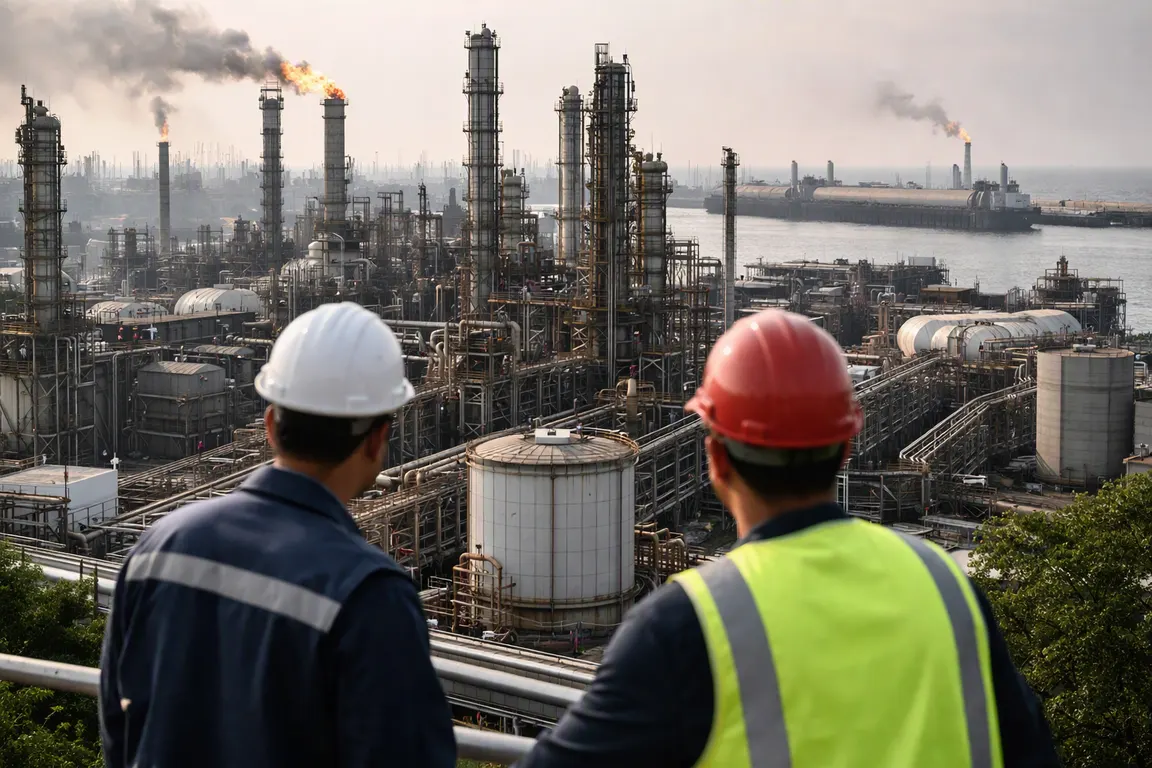
The war in the Middle East has led to a tightening of fuel supply, resulting in record refining margins and high earnings for major oil companies such as Shell and TotalEnergies. This surge in refining margins is significant due to the volatile nature of the global oil market, where the situation can change rapidly due to ongoing negotiations and geopolitical tensions.
The US, Iran, and Oman are discussing a potential deal to reopen the Strait of Hormuz, which could involve a temporary 60-day arrangement with no tolls or fees. However, the terms of the deal are still being disputed, and the impact on global oil markets remains uncertain. The global refining complex is expected to remain supported for a few more quarters due to low global inventories, with the US having drained over 110 million barrels from the Strategic Petroleum Reserve since the start of the war.
As oil companies reap the benefits of high refining margins, consumers may be impacted by changes in fuel prices and availability. The situation is affecting the global economy and oil markets, with different perspectives on the situation from various sources, including oil companies and government officials. The key factor driving the volatility of the situation is the uncertainty over the outcome of the negotiations and the potential implications of a deal to reopen the Strait of Hormuz.
The ongoing negotiations and potential deal to reopen the Strait of Hormuz will be closely monitored, as they may lead to further changes in refining margins and fuel prices. The US Strategic Petroleum Reserve's dwindling inventory and the global refining complex's low inventory levels will also be watched closely, as they may impact the global oil market. The conflict in the Middle East has highlighted the importance of the Strait of Hormuz, a critical waterway for oil transportation. The potential deal to reopen the strait could have significant implications for the global oil market.