

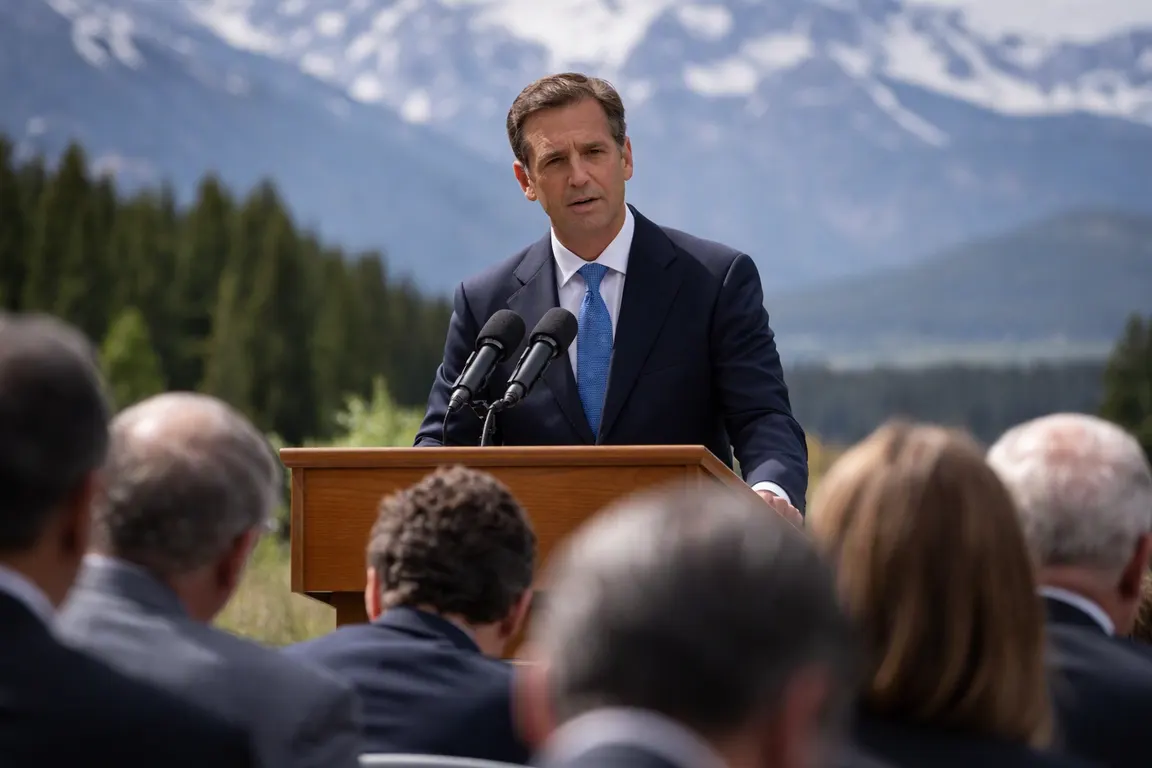
Federal Reserve Chair Jerome Warsh used his remarks at the annual Jackson Hole Economic Symposium to warn that inflation progress remains insufficient and that a Jackson Hole rate hike could be needed. The blunt assessment marks a shift from the more ambiguous tone of his July press conference, which had left markets uncertain about the Fed’s policy path.
Warsh described the U.S. economy as “strong” and called the nation’s AI‑related policy agenda a “hinge point in history,” but he emphasized that consumer‑price growth is still too high to declare victory over inflation. He offered no specific CPI numbers or a timeline for any future rate change, leaving the degree of urgency open to interpretation.
The signal matters because borrowers, investors and state and local governments base decisions on expectations of Fed policy. If the central bank moves toward tighter monetary policy, credit costs could rise, prompting households with variable‑rate mortgages or credit‑card debt to see higher monthly payments. Companies that rely on cheap financing may delay capital projects, and municipalities could face steeper bond‑market borrowing costs. Investors are likely to reassess bond yields and equity valuations, which could increase market volatility.
Warsh’s comments arrived after a July press conference that, according to several news outlets, left traders confused about the Fed’s stance. By delivering a clearer, more forward‑looking assessment at Jackson Hole, he provided a sharper view of the central bank’s outlook, even though concrete data from the Fed’s dot‑plot or recent CPI releases were not presented.
Analysts quickly began revising Fed‑rate forecasts in the days following the speech. The consensus among economists is that the next policy decision will come at the Fed’s scheduled September meeting, where officials will review the latest inflation data and decide whether to adjust the target rate. Until then, market participants will watch for additional guidance from Warsh and the Federal Open Market Committee.
While Warsh’s remarks are guidance rather than a formal policy decision, they suggest a possible shift in the Fed’s communication strategy toward a more explicit acknowledgment of inflation risks. The central bank’s decision‑making tools and process remain unchanged, and no specific timetable or magnitude for a rate hike was disclosed.
The broader implication is a reminder that the Fed’s monetary policy still plays a pivotal role in the U.S. economy. A move toward higher rates would aim to contain price pressures but could also slow economic activity, affecting everything from consumer spending to business investment. As the September meeting approaches, the balance between sustaining growth and curbing inflation will remain the central focus for policymakers and market observers alike.