

Iran Plans Strait of Hormuz Exclusion Zone, Threatening Oil
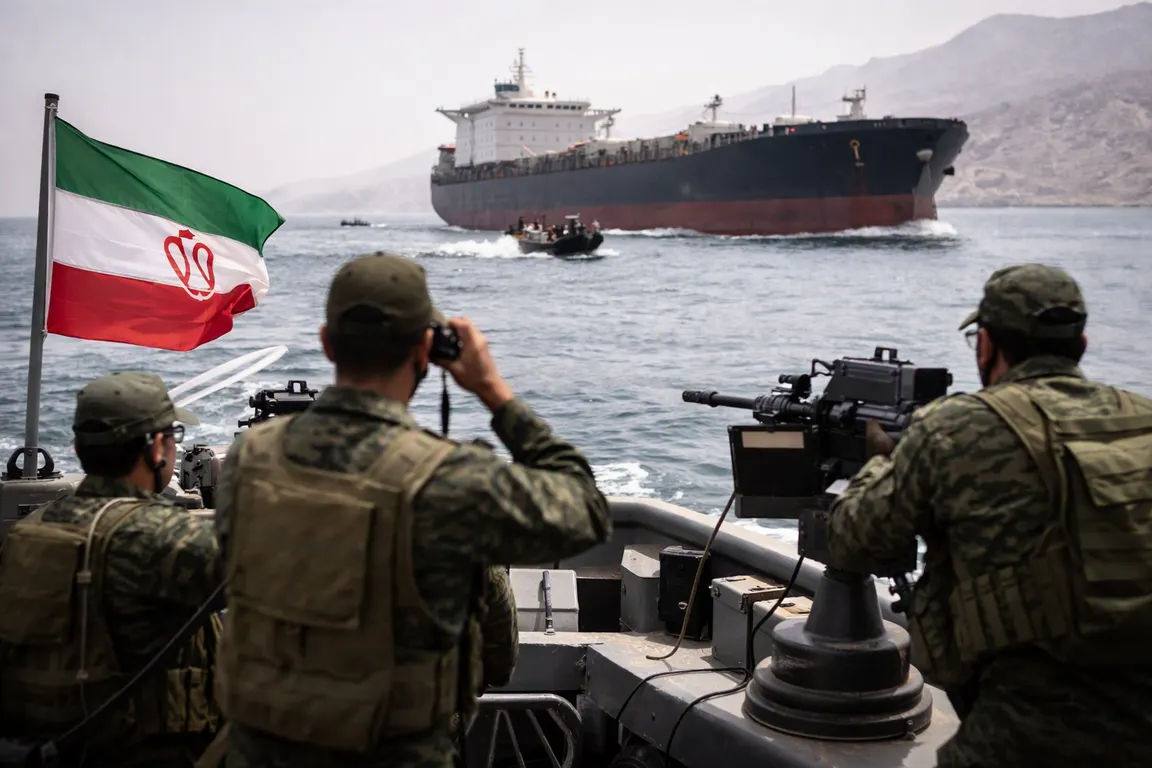
Iran’s Supreme National Security Council announced plans to establish a Strait of Hormuz exclusion zone within days, officials said on Sept. 6, 2026. The move follows a U.S. Navy strike on three Iranian oil tankers and Tehran’s claim of hitting an unmanned U.S. vessel, marking the sharpest escalation in the maritime standoff since the U.S.–Iran memorandum of understanding collapsed in mid‑June.
The Hormuz corridor moves roughly nine million barrels of oil a day, about two‑thirds of pre‑conflict volumes, according to U.S. Energy Secretary Chris Wright. An exclusion zone that extends from the line of the U.S. naval blockade toward the strait and into the Persian Gulf could force commercial ships to reroute, raise insurance costs and push global oil prices higher. It also heightens the risk that a mis‑identification could spark a clash between naval forces.
Mohsen Rezaei, newly appointed head of the Supreme National Security Council, told the Manila Times the zone will be announced “in the coming days and weeks.” Exact coordinates have not been released, but officials described it as a belt covering the area where the U.S. navy maintains its blockade line. Enforcement is expected to rely on IRGC patrols and missile batteries already positioned near the strait. Tehran has not detailed rules of engagement, leaving commercial operators without clear guidance on how to avoid accidental violations.
Shipping firms are already reviewing alternative routes that add up to 300 nautical miles, increasing fuel consumption and transit time. Insurance underwriters have raised premiums for vessels that may enter the contested waters, and some operators are waiting for a formal notice before committing to a detour. Analysts warn that if the exclusion zone curtails the flow of the estimated nine million barrels per day, Brent crude could climb $3‑$5 a barrel, pressuring economies that depend on affordable energy.
U.S. military officials have dismissed Iran’s claim of striking an unmanned vessel as “a total lie” and have not disclosed specific plans to counter a breach of the proposed zone. The navy continues to escort merchant traffic through the existing blockade line and has warned that any Iranian attack on a protected ship will be met with a “proportionate response.” The lack of a publicly articulated contingency plan leaves uncertainty about how quickly the United States could re‑establish freedom of navigation if Tehran enforces the zone.
The credibility of Iran’s recent attack claims remains contested. The IRGC said it hit three U.S. warships and three tankers using an “unauthorized” route, but independent verification is pending. U.S. forces have not confirmed any damage, and the Pentagon labeled the statement that an unmanned U.S. vessel was hit a falsehood. The disparity between Iranian assertions and U.S. denials underscores the difficulty of assessing the true level of escalation.
Diplomatic options are narrowing but still present. Regional powers, including the United Arab Emirates and Oman, have called for a multilateral forum to discuss safe passage, while the United Nations has urged restraint from both sides. Direct talks between Washington and Tehran have stalled since the memorandum collapsed, but back‑channel communication through European intermediaries could still produce a temporary arrangement to keep the strait open.
The coming weeks will determine whether the exclusion zone becomes a de facto legal restriction or remains a rhetorical tool. Observers will watch for a formal map from Tehran, any subsequent Iranian patrols, and the U.S. navy’s operational response. Until those details emerge, commercial shippers and oil markets must plan for a potentially tighter bottleneck at the world’s most critical oil transit point.